

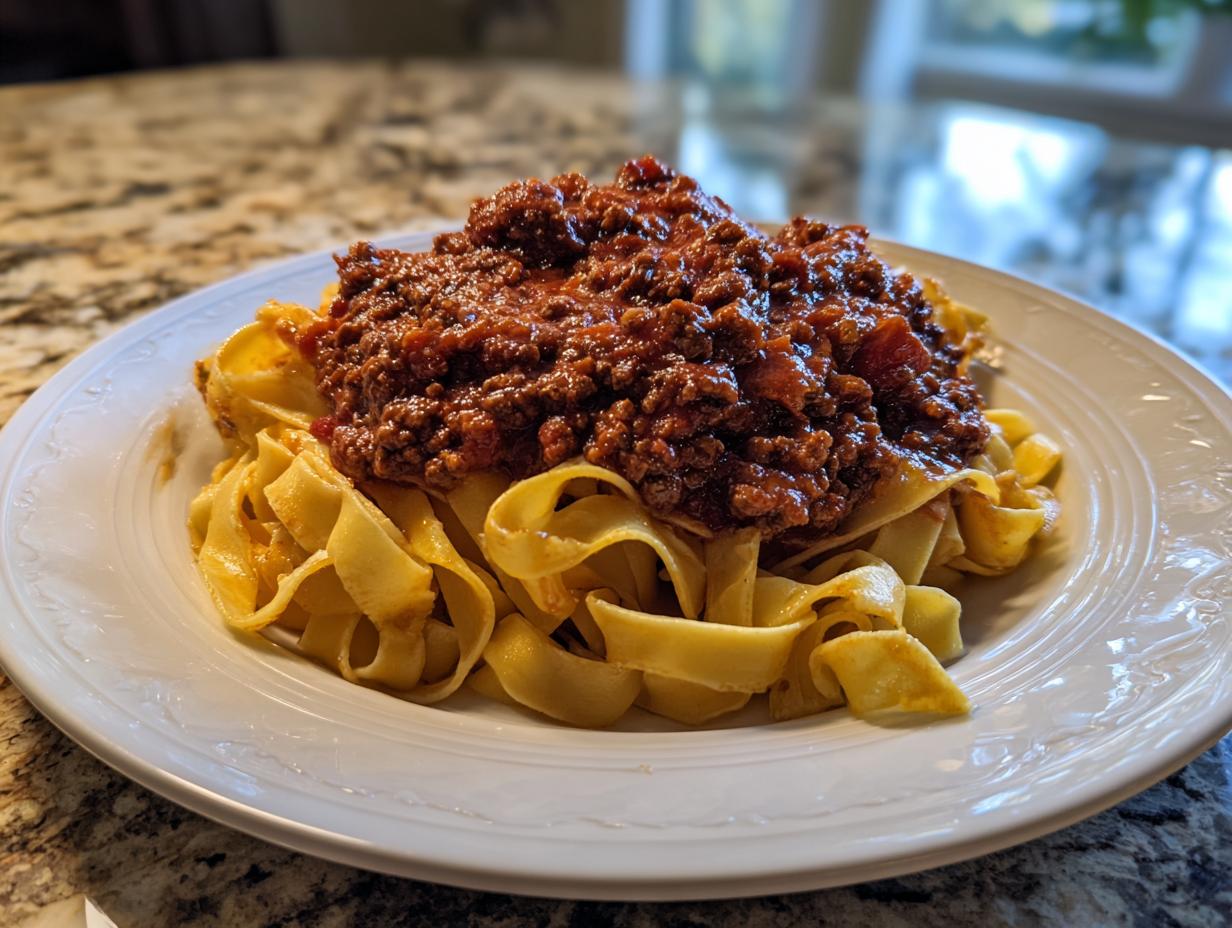
There are meals that feed you, and then there are meals that hug your soul—that’s the magic of a truly fantastic Bolognese sauce. If you’ve been searching everywhere for that deep, comforting flavor that only hours of simmering can produce, I promise you, you’ve landed in the right spot. This isn’t just any meat sauce; this is The Ultimate Slow-Simmered Authentic Bolognese Sauce. As someone who grew up learning traditional techniques from my grandmother and later studying food science, I’ve blended that heritage with precision to bring you what I genuinely believe is the best homemade bolognese you’ll ever taste. Get ready to make some kitchen memories!
- Why This Slow Simmered Bolognese Sauce is the Best Homemade Bolognese
- Traditional Bolognese Ingredients for Authentic Italian Ragu Recipe
- How to Make Authentic Bolognese Sauce Step-by-Step
- Serving Suggestions for Your Classic Bolognese Sauce Recipe
- Tips for Making the Best Bolognese Sauce Every Time
- Storage and Freezer Friendly Bolognese Sauce Instructions
- Frequently Asked Questions About Bolognese Sauce
- Estimated Nutritional Data for This Comfort Food Pasta Sauces
- Share Your Experience Making This Bolognese Sauce
Why This Slow Simmered Bolognese Sauce is the Best Homemade Bolognese
Honestly, there are so many recipes out there calling themselves Bolognese, but most of them are just quick meat sauces. What makes ours different? It’s the time, darling! We follow the tradition of a long, slow simmer. This patient approach is what transforms simple ingredients into a **rich pasta sauce** that tastes like it’s been cooking all day long, even if your active time is quicker. Trust me, this technique is the bedrock of reliability for this dish. If you’re looking to adapt this for a busy night, check out my guide on weeknight dinners, but truthfully, this sauce deserves the slow cook!
- Unbelievably deep, layered flavor that stands up to any restaurant counterpart.
- Guaranteed tender meat texture that falls apart beautifully with your fork.
- It develops that comforting aroma that just fills your whole house!
The Secret to a Truly Rich Pasta Sauce Flavor
The magic happens between hour two and hour four on the lowest setting possible. That long simmer isn’t just for show; it’s chemistry! It allows the meat proteins to completely break down and absorb the savory wine reduction and the subtle sweetness from the milk. Speaking of milk, don’t skip it! Adding whole milk early on helps tenderize the beef and pork mixture way better than just adding water or broth would. It’s one of those old-school tricks that takes this dish from great to absolutely unforgettable comfort food.
Traditional Bolognese Ingredients for Authentic Italian Ragu Recipe
When you’re aiming for an authentic Italian ragu recipe, the ingredients list isn’t just a suggestion—it’s a promise of flavor. This is where we honor tradition. For this recipe, you need quality components because they are going to meld together over hours, so cheap ingredients really show their true colors.
Here is exactly what you need to gather for your pot. Every measurement here is carefully tested, so please don’t eyeball it!
- 1 tablespoon olive oil
- 4 ounces pancetta, finely diced
- 1 pound ground beef (80/20 recommended)
- 1/2 pound ground pork
- 1 medium yellow onion, finely chopped
- 2 carrots, finely chopped
- 2 celery stalks, finely chopped
- 2 cloves garlic, minced
- 1 cup dry red wine (like Chianti or Merlot)
- 1 cup whole milk
- 1 (28 ounce) can crushed tomatoes
- 1/2 cup beef broth
- 1/4 cup tomato paste
- 1 teaspoon dried oregano
- 1/2 teaspoon freshly grated nutmeg
- Salt and freshly ground black pepper to taste
- 1 pound tagliatelle pasta, for serving
Notes on Traditional Bolognese Ingredients
You absolutely must use both beef and pork here. The pork adds necessary fat and a sweetness that balances the earthiness of the beef. And that pancetta? It’s our flavor starter—we render that fat first before adding the meats. Don’t forget the vegetable base for bolognese sauce, which we call the soffritto (that’s the onion, carrot, and celery). They cook down until they melt into the sauce, adding depth you just can’t replicate otherwise. If you’re looking for other great foundational sauce recipes, check out my creamy Alfredo recipe for comparison!
How to Make Authentic Bolognese Sauce Step-by-Step
Okay, buckle up! This is where the real work—and the real reward—happens. Making this bolognese sauce isn’t hard, but it demands respect for the process, especially the time. If you’re planning to serve this with my crusty bread recipe from here, you’ll want to start this early in the day!
Building the Flavor Base: Pancetta and Meat Browning
First things first, we need flavor fat! Heat up your olive oil in that heavy Dutch oven over medium heat. Toss in your finely diced pancetta and let it get happy—we want those little bits crispy so they render out all their smoky flavor. Once they’re done, scoop those crispy bits out and set them aside; we’ll bring them back later for a little texture surprise. Next, work in the ground beef and pork. You have to let that meat brown thoroughly! Don’t rush stirring it; we want great caramelization on the bottom of the pot for later. Drain off any major excess grease when it’s beautifully browned.
Incorporating Wine and Bolognese Sauce with Milk or Cream
Now for the complexity! Pour in that full cup of dry red wine. Turn the heat up just a touch and let it bubble away until it’s reduced by half. All that boozy flavor gets concentrated beautifully. This is the point where things get really interesting and traditional: pour in the whole milk. Yes, milk! Bring it to a simmer and let it cook down until it’s almost totally absorbed by the meat. I know it sounds strange, but this step is my personal trick—it breaks down the solids so gently, making the final ragu so incredibly tender. Don’t try to rush this part, or you’ll lose the tenderness!
The Essential Slow Simmered Meat Sauce Process
Once the milk has disappeared, it’s time to add the tomatoes, broth, tomato paste, oregano, and that hint of nutmeg for warmth. Bring the whole mixture up to a simmer, add your reserved pancetta back in, and season generously with salt and pepper. Now, reduce the heat to the absolute lowest setting your stovetop allows. Cover the pot slightly—just let a tiny bit of steam escape—and let it go for a minimum of two hours, but honestly, three or four is better for that signature slow simmered meat sauce quality. Stir it every 30 minutes like clockwork to prevent sticking. This extended time is what turns a standard sauce into an incredibly rich pasta sauce.
Serving Suggestions for Your Classic Bolognese Sauce Recipe
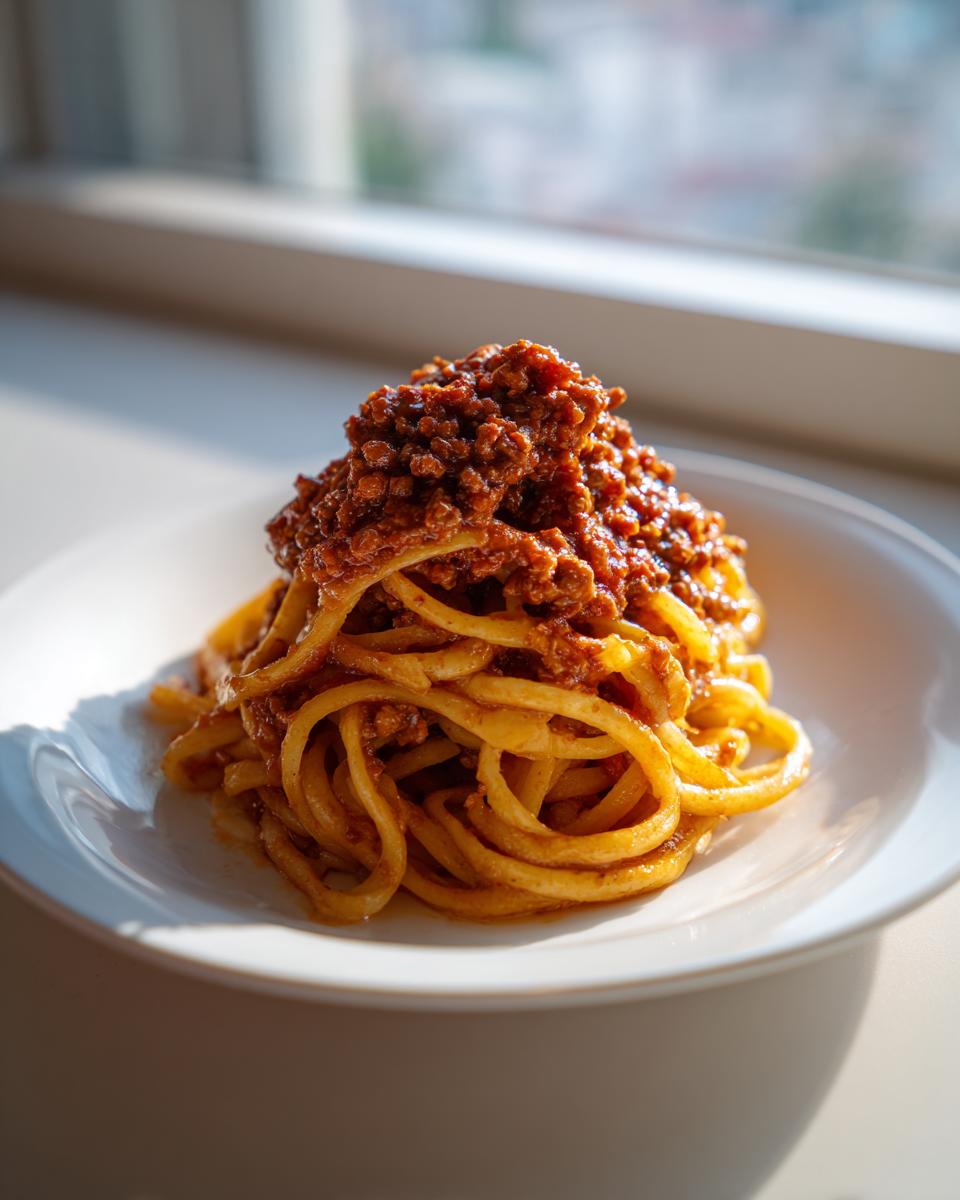
You’ve put in the time, your kitchen smells like heaven, and now it’s time for the payoff! The beauty of this classic Bolognese sauce recipe is how versatile it is, but serving it the traditional way really makes it shine. You don’t want to bury all that incredible, slow-developed flavor under the wrong noodle, right?
Of course, we made sure to use enough sauce to cover your pasta generously, or even become the star layer in a big, bubbly casserole. This sauce is hearty enough for almost anything, whether you’re making a fantastic batch of lasagna or looking for an amazing contrast to something lighter, like my chicken and broccoli bake.
Pairing Bolognese Sauce Served with Tagliatelle vs. Lasagna
If you want the truly authentic experience, skip the skinny spaghetti! In Bologna, they always serve this rich meat sauce with fresh, wide ribbons of pasta like tagliatelle, pappardelle, or fettuccine. The wider, rougher surface of those noodles grabs onto the thick, meaty ragu perfectly. Think about dipping your fork in there—you want that sauce coating every strand, not sliding off! If you’re layering, though, this sauce provides the perfect, deep bolognese topping for lasagna that bakes up rich and never watery.
Tips for Making the Best Bolognese Sauce Every Time
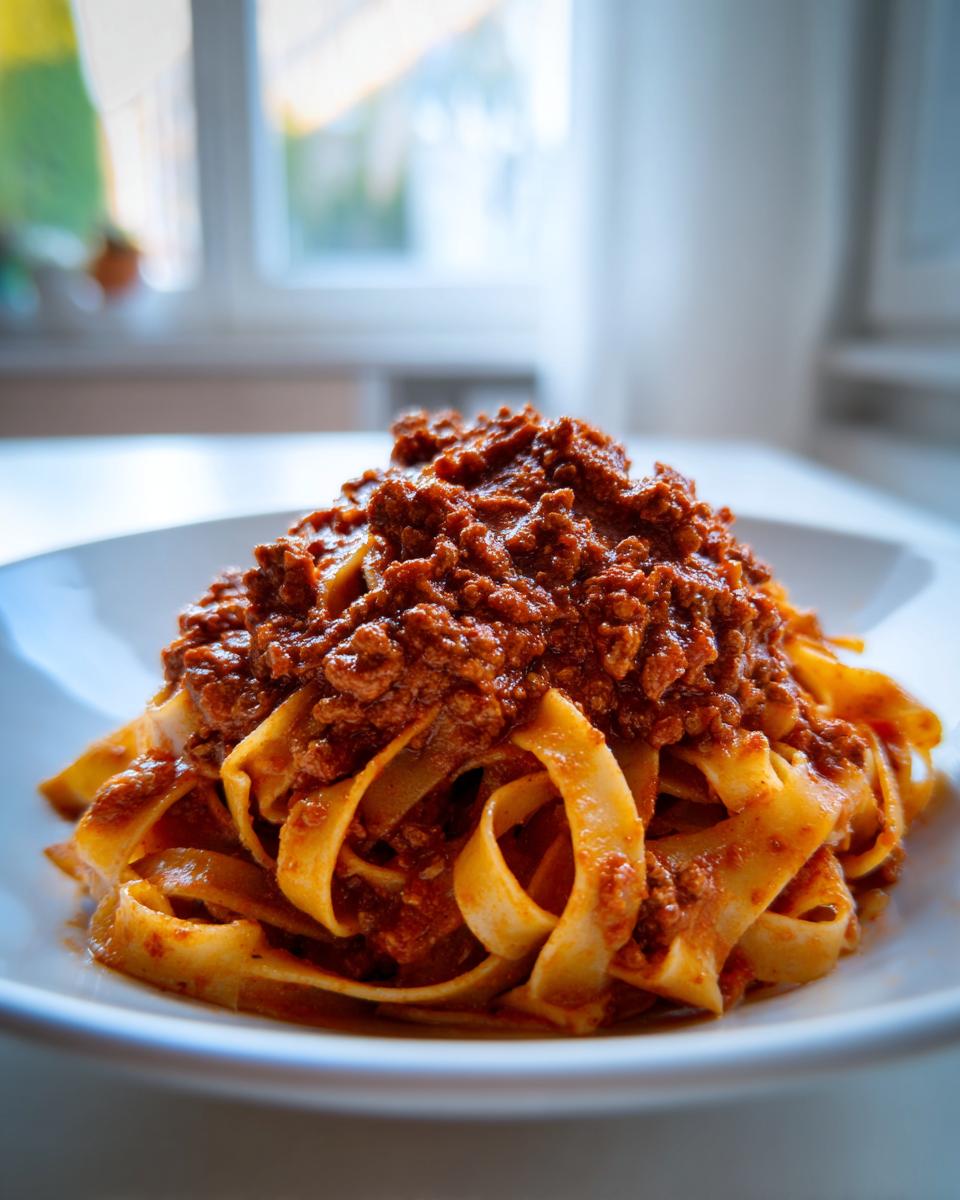
Now that you know the core process for making this phenomenal bolognese sauce, I want to share a few things I picked up during my restaurant days and recipe testing. Remember, cooking is about refining technique as much as nailing measurements. These little adjustments, learned from watching pros and even getting inspired by chefs like Gordon Ramsay, take this dish from great to absolutely show-stopping Italian comfort food.
First, let’s talk about the quality of your ingredients again. If you can source good quality pancetta and fresh ground meats, do it. The better the meat, the less fat you’ll have to drain away, and the cleaner the final flavor will be. This is where that professional understanding of ingredients really pays off!
Incorporating Gordon Ramsay Bolognese Inspiration Techniques
When I was developing this recipe, I watched how many esteemed chefs handle their meat bases. One thing they all nail is high-heat searing—even for a slow-simmered sauce! When you brown your beef and pork mixture, don’t be shy about letting them sit untouched on the hot pan surface for a minute or two before you stir. That deep, dark color on the meat equals massive flavor when it breaks down during the simmer. It’s the difference between merely cooked meat and perfectly browned, savory foundation.
Also, think seriously about your wine choice. While any dry, fruity red works, if you want a little extra depth, make sure your selection is something you’d genuinely enjoy sipping while you cook. I often use a good quality Chianti for that perfect acidic cut through the richness. For more ideas on mastering depth in cooking, check out my tips on making amazing Chicken Parmesan!
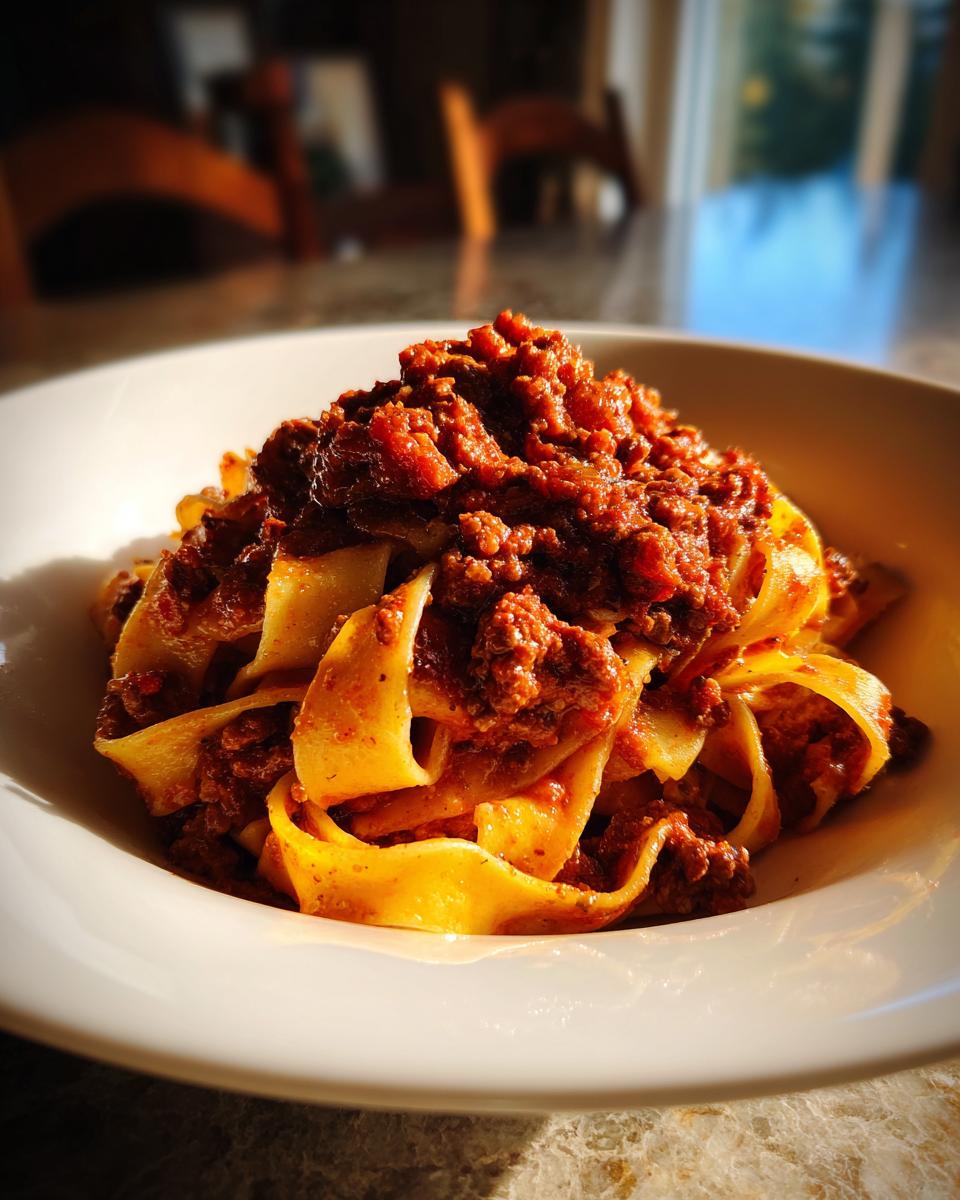
Honestly, achieving that perfect depth is all about layering those flavor moments—the rendered fat, the browned bits from the wine reduction, and yes, that long, patient time on the stove. If you want to see another expert’s take on building flavor complexity, I always appreciate the insights shared by David over at Vincenzo’s Plate; it reminds me how crucial patience is in authentic Italian cooking.
Storage and Freezer Friendly Bolognese Sauce Instructions
This is precisely why making a huge batch of bolognese sauce is the best idea! Honestly, a gigantic pot simmering for four hours means you should automatically plan on freezing half. This freezer friendly bolognese sauce is a lifeline for busy weeks, turning what was a weekend cooking project into instant weeknight dinners!
The most crucial thing before storing anything, whether it’s for the fridge or the freezer, is cooling it down fast. Don’t put a piping hot pot of sauce directly into the fridge, or you’ll warm up everything else around it! Spread your extra sauce into shallow, airtight containers. This lets it cool down quickly and evenly, which is just good food safety practice that I learned back in the restaurant.
Reheating Your Rich Meat Sauce
When you’re ready to eat it later, you have two great options. If it’s just thawing a portion for dinner, I usually pull it from the freezer the night before and let it thaw slowly in the fridge. Then, reheat it gently on the stovetop over low heat, stirring often until it’s bubbly hot. You might want to thin it just slightly with a splash of beef broth or water if it seems too thick after freezing.
If you’re in a real pinch, you can reheat it straight from frozen in a saucepan—just keep the heat super low and stir constantly. I often add an extra sprinkle of oregano or maybe a tiny dollop of tomato paste when reheating to freshen up those deep simmered flavors. If you love making big batches of cozy meals, you absolutely need to check out my crockpot chili recipe—it uses the same principle of low-and-slow cooking for maximum reward!
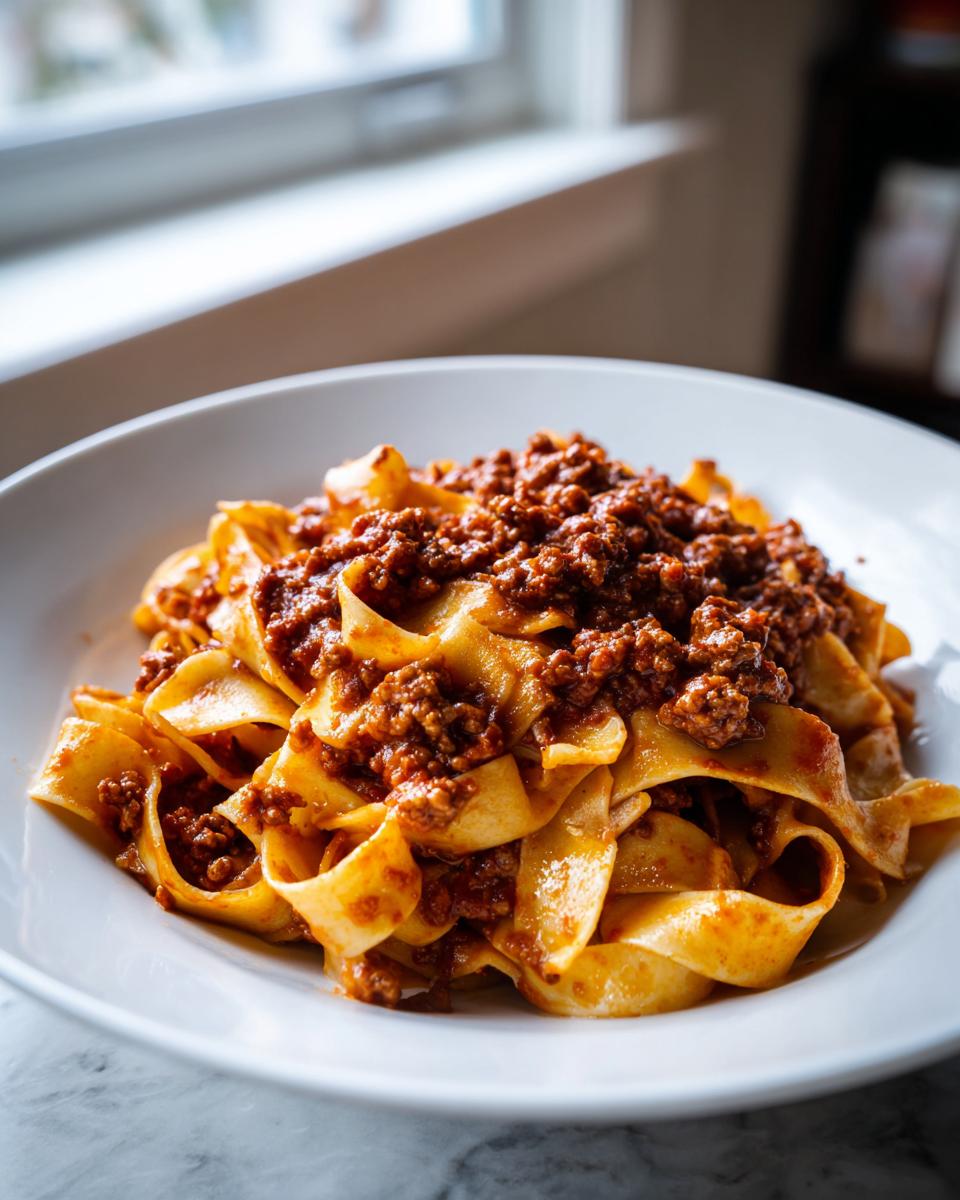
This sauce keeps beautifully in the fridge for about four days, but it lasts for up to three months in the freezer. That means you’ve got authentic, slow-simmered Italian dinner ready to go whenever the craving hits!
Frequently Asked Questions About Bolognese Sauce
I’ve answered a few common questions that pop up after readers try their first batch of this classic Bolognese sauce. Don’t worry if you have a substitution in mind; usually, we can find a workaround, but the traditional way really is the tastiest way!
Can I make this hearty ground beef sauce recipe without pork?
That’s a great question. Yes, you absolutely can, but I have to be upfront: the flavor profile will change slightly. The pork, along with the pancetta we start with, adds a richness and a specific savory sweetness that you just can’t hit with 100% ground beef alone. Pork has a higher fat content that renders beautifully and carries flavor. If you must skip it, use an 80/20 ground beef blend and consider adding an extra tablespoon of olive oil or butter during the initial sauté to compensate for that lost richness. You’ll still have a wonderful hearty ground beef sauce recipe, just not quite the traditional version!
What is the proper vegetable base for bolognese sauce?
The true foundation, the backbone of any great Italian ragu, is the soffritto. That’s the classic mix of finely minced (or you can cheat and finely chop!) onion, carrots, and celery. For an authentic Italian ragu recipe, these three are essential. They cook down slowly in the fat until they are basically dissolving into the sauce, sweetening the mixture subtly and adding earthiness. If you leave these guys out, you’re essentially making a tomato-based meat sauce, not a true Bolognese.
I always encourage people who are looking for quick lunch ideas to make a big batch of this sauce and then use just half for dinner tonight and freeze the rest, as covered in my easy lunch planning guide. That way, you get the slow-simmer reward without needing an entire afternoon!
Estimated Nutritional Data for This Comfort Food Pasta Sauces
Because we use quality ingredients and a mix of meats, this bolognese packs a satisfying punch! Keep in mind that nutrition changes based on what pasta you choose to serve it with, but here are the rough estimates for just the sauce itself (about 1.5 cups):
- Serving Size: 1.5 cups sauce
- Calories: 450
- Fat: 28g (Saturated Fat: 11g)
- Carbohydrates: 20g
- Protein: 30g
This is just an estimate, of course! My background in nutrition always reminds me that every brand and every tiny addition changes the final number. If you’re tracking your macros or looking for pairing ideas that lean lighter, checking out my healthy breakfast tips sometimes gives me ideas for balancing heavier meals!
Share Your Experience Making This Bolognese Sauce
Now that you’ve ushered that glorious, slow-simmered bolognese sauce out of your kitchen and onto your plate—maybe tossed with beautiful fresh tagliatelle or layered perfectly in a lasagna—I desperately want to hear about it!
For me, cooking isn’t really finished until I know it worked for you. Did the milk step surprise you? Did that incredible aroma fill your house like it does mine? Take a minute, please, and leave a rating below. A quick five stars tells me that the long simmer was worth every minute!
If you took a photo of your rich pasta sauce—especially if it’s looking perfectly clingy to those wide noodles—I would be over the moon if you shared it online and tagged me! Seeing your family enjoy this ultimate Italian comfort food makes every minute I’ve spent testing this recipe well worth it. If you have any burning questions about adjustments or storage, drop those in the comments too, or feel free to reach out directly through my contact page. Happy cooking, everyone!
PrintThe Ultimate Slow-Simmered Authentic Bolognese Sauce: The Best Italian Comfort Food
Make a rich, hearty Bolognese sauce from scratch. This recipe focuses on the slow-simmering technique for deep flavor, using a blend of meats and milk for a truly authentic Italian ragu alla bolognese.
- Prep Time: 25 min
- Cook Time: 2 hr 30 min
- Total Time: 2 hr 55 min
- Yield: 6 servings 1x
- Category: Dinner
- Method: Stovetop Simmering
- Cuisine: Italian
- Diet: Vegetarian
Ingredients
- 1 tablespoon olive oil
- 4 ounces pancetta, finely diced
- 1 pound ground beef (80/20 recommended)
- 1/2 pound ground pork
- 1 medium yellow onion, finely chopped
- 2 carrots, finely chopped
- 2 celery stalks, finely chopped
- 2 cloves garlic, minced
- 1 cup dry red wine (like Chianti or Merlot)
- 1 cup whole milk
- 1 (28 ounce) can crushed tomatoes
- 1/2 cup beef broth
- 1/4 cup tomato paste
- 1 teaspoon dried oregano
- 1/2 teaspoon freshly grated nutmeg
- Salt and freshly ground black pepper to taste
- 1 pound tagliatelle pasta, for serving
Instructions
- Heat the olive oil in a large Dutch oven or heavy-bottomed pot over medium heat. Add the diced pancetta and cook until crisp, about 5 to 7 minutes. Remove the pancetta with a slotted spoon and set aside, leaving the rendered fat in the pot.
- Add the ground beef and ground pork to the pot. Cook, breaking up the meat with a spoon, until browned. Drain off excess fat.
- Add the chopped onion, carrots, and celery (the soffritto) to the pot. Cook until the vegetables soften, about 8 to 10 minutes. Add the minced garlic and cook for 1 minute more until fragrant.
- Pour in the red wine. Increase the heat to medium-high and let the wine bubble and reduce by half, scraping up any browned bits from the bottom of the pot.
- Pour in the whole milk. Bring to a simmer and cook, stirring occasionally, until the milk has almost completely evaporated and absorbed into the meat mixture. This step tenderizes the meat.
- Stir in the crushed tomatoes, beef broth, tomato paste, oregano, and nutmeg. Add the reserved cooked pancetta back into the pot. Season generously with salt and pepper.
- Bring the sauce to a gentle simmer. Reduce the heat to the lowest setting, cover the pot partially, and let the Bolognese sauce slow simmer for a minimum of 2 hours, or up to 4 hours, stirring every 30 minutes. The longer it simmers, the richer the flavor becomes.
- When ready to serve, cook your tagliatelle pasta according to package directions. Drain the pasta.
- Toss the cooked pasta with a generous amount of the rich pasta sauce. Serve immediately with grated Parmesan cheese.
Notes
- For the best texture, use a combination of beef and pork. This combination creates a hearty ground beef sauce recipe.
- This freezer friendly bolognese sauce freezes well for up to three months. Cool completely before transferring to airtight containers.
- This rich meat sauce works perfectly as a bolognese topping for lasagna or served over polenta.
Nutrition
- Serving Size: 1.5 cups sauce
- Calories: 450
- Sugar: 12
- Sodium: 550
- Fat: 28
- Saturated Fat: 11
- Unsaturated Fat: 17
- Trans Fat: 1
- Carbohydrates: 20
- Fiber: 4
- Protein: 30
- Cholesterol: 95