

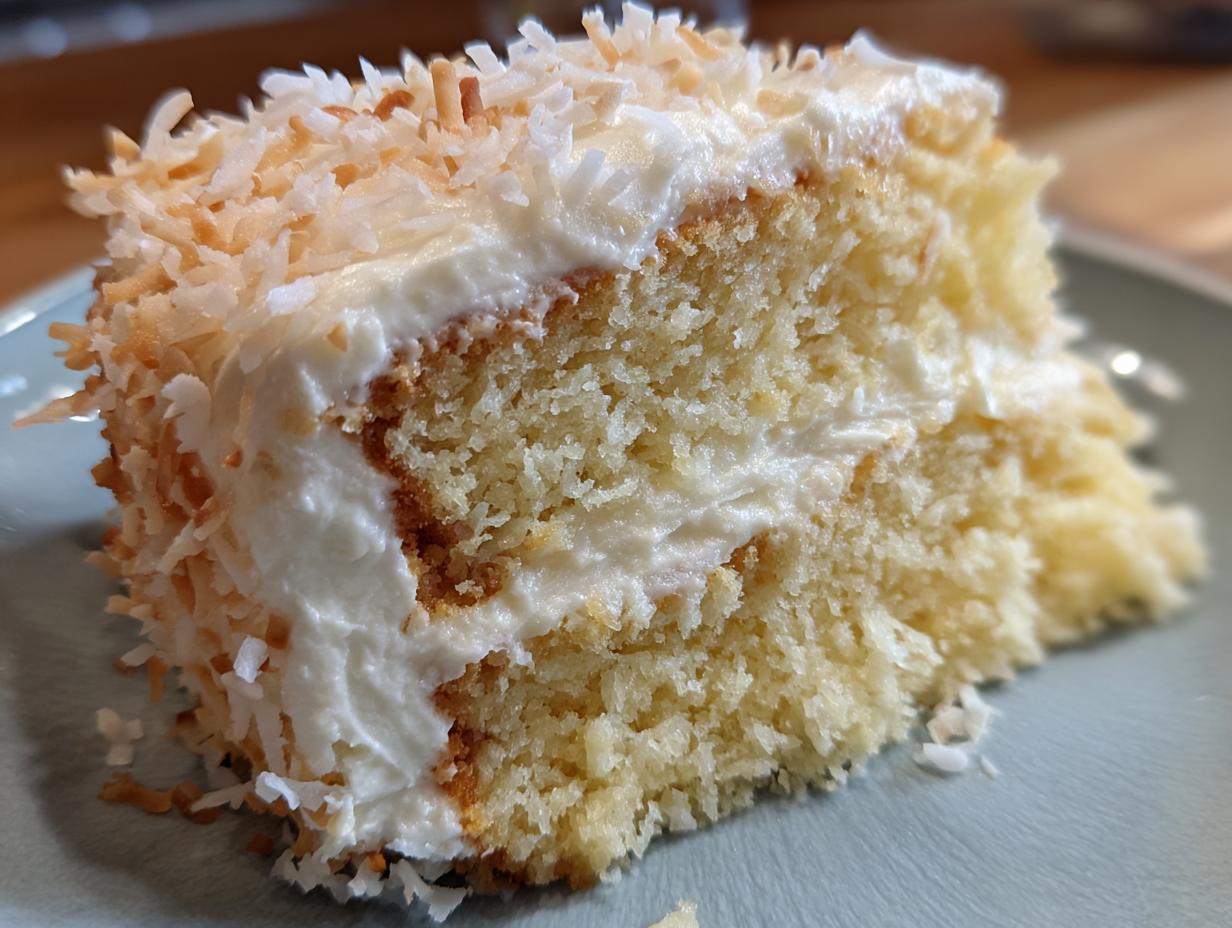
If you’re looking for the crowning jewel of Southern baking desserts, you’ve landed in the right place. Growing up watching my mother tinker with classics, I’ve learned that a truly great Southern fried chicken recipe is only half the battle—you need a show-stopping dessert to follow it! This recipe isn’t just good; it’s the ultimate moist and fluffy Southern coconut cake you’ve ever dreamed about, complete with a perfect coconut cream cheese frosting. I’ve tested this version dozens of times, ensuring every component delivers that bakery-style perfection right in your home kitchen. Forget dry layers; this is the coconut cake that will earn you requests for years to come.
- Why This Is The Ultimate Moist and Fluffy Southern Coconut Cake
- Ingredients for Your Show Stopping Coconut Cake
- Step-by-Step Instructions for the Best Homemade Cake
- Crafting the Cream Cheese Frosting for this Coconut Cake
- Assembling Your Old Fashioned Cake Recipes Masterpiece
- Tips for Success Making a Moist Coconut Cake Recipe
- Storage and Reheating Instructions for Your Coconut Cake
- Frequently Asked Questions About This Classic Coconut Cake
- Serving Suggestions for This Indulgent Dessert
Why This Is The Ultimate Moist and Fluffy Southern Coconut Cake
Honestly, I’ve tried every coconut cake recipe under the sun, but I keep coming back to this one. It’s everything you want a great Southern baking dessert to be: tall, tender, and absolutely loaded with flavor. It’s not overly complicated, but the small details I include really push this cake into the ‘best ever’ category, which is why so many people search for this exact style of cake.
- It gives you that signature light, fluffy crumb everyone wants in a layer cake.
- The combination of whole milk AND canned coconut milk guarantees moisture you can taste.
- The rich, slightly tangy cream cheese frosting seals in all that tropical goodness.
Achieving the Perfect Fluffy Texture
Texture is everything, right? If you want that airy, fluffy crumb, you have to start with your eggs and your liquids. Everything—and I mean everything—needs to be at room temperature. This allows them to emulsify properly with the butter, creating a smooth foundation. Plus, using both regular whole milk and a touch of full-fat canned coconut milk doesn’t just add flavor; it ensures the flour hydrates perfectly, resulting in a supremely light interior.
The Cream Cheese Frosting Cake Difference for Your Coconut Cake
Listen, a standard American buttercream is fine, but it just doesn’t cut it for a true Southern showstopper like this coconut cake. We need a little tang! Using cream cheese in the frosting gives it stability, lets you pile it high, and that slight acidic bite balances out the sweetness of the sugar and the shredded coconut perfectly. It’s the sign of a truly excellent cream cheese frosting cake, and it makes this coconut cake unbeatable.
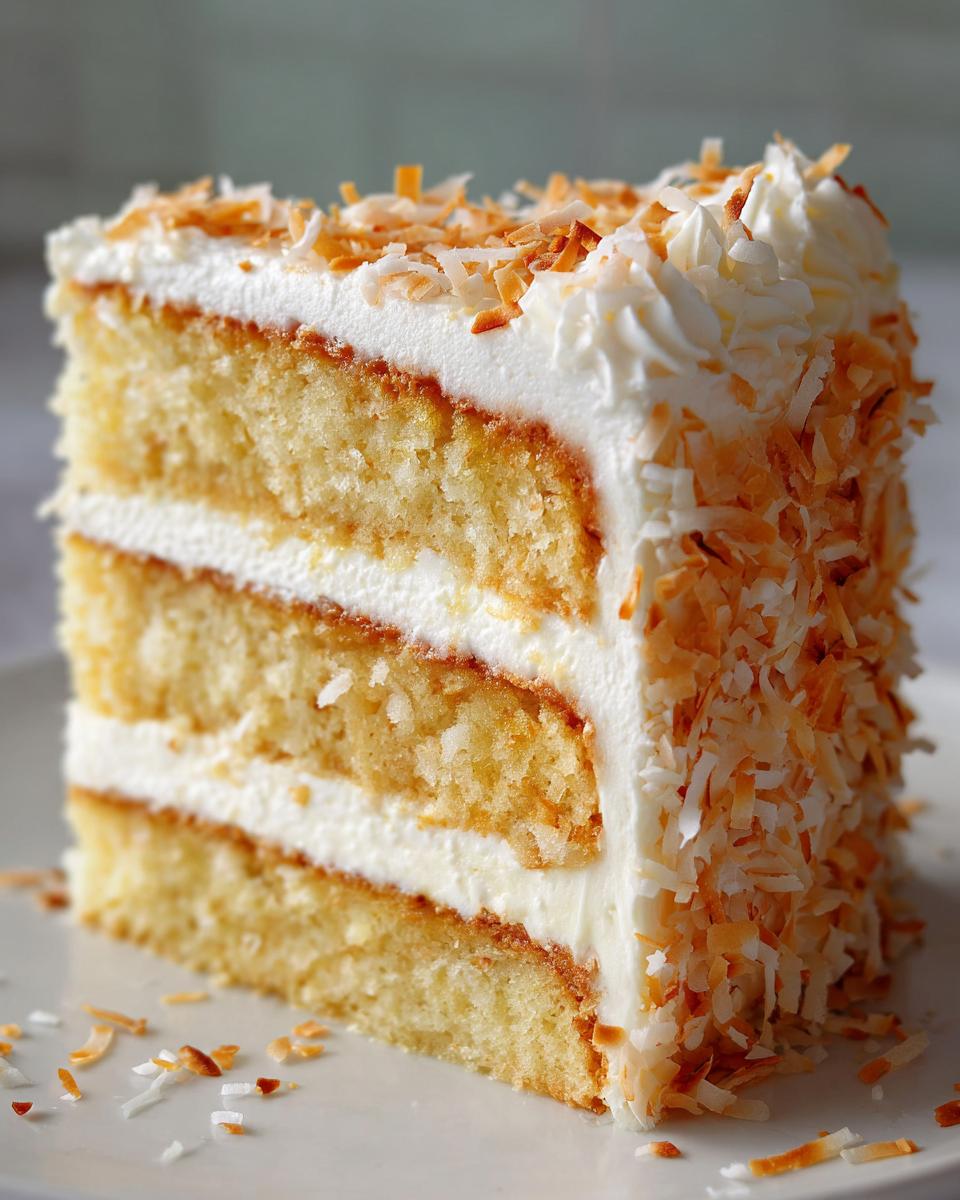
Ingredients for Your Show Stopping Coconut Cake
Okay, let’s talk ingredients. Getting the right measurements and preparations is the secret weapon to making sure this cake isn’t just good, but truly memorable. Because we’re aiming for that bakery-style result at home, make sure you’ve softened your butter and cream cheese ahead of time, and definitely have those eggs warm to room temperature. The division of the coconut is also really important—keep some out for the batter and save the rest for decorating!
For the Moist Coconut Cake Layers
- 1 3/4 cups all-purpose flour
- 1 3/4 cups granulated sugar
- 1 tablespoon baking powder
- 1/2 teaspoon salt
- 1/2 cup unsalted butter, softened
- 4 large eggs, room temperature
- 1 cup whole milk
- 1 teaspoon vanilla extract
- 1/2 cup unsweetened coconut milk (full fat)
- 1 cup sweetened flaked coconut, divided
For the Fluffy Coconut Cream Cheese Frosting
This is where the magic happens for your indulgent dessert! We need solid fats here for that beautiful structure.
- 8 ounces cream cheese, softened
- 1/2 cup unsalted butter, softened (for frosting)
- 3 cups powdered sugar, sifted
- 1 teaspoon coconut extract
Step-by-Step Instructions for the Best Homemade Cake
Alright, let’s get this cake into the oven! Baking a scratch-made cake like this is all about timing and setting the stage correctly. First things first, crank that oven up to 350°F (175°C). Then, grab your two 9-inch round pans. Don’t skip greasing them *and* flouring them, and then lining the bottoms with parchment paper. This extra insurance policy prevents sticking, which is a nightmare when you finally pull your beautiful layers out.
Once prepped, we move straight into mixing. We are going to build this batter up in stages, which is key for anything that aims to be wonderfully light, not dense.
Mixing the Batter for Your Coconut Cake
In a large bowl, start by whisking the dry things—flour, sugar, baking powder, and salt. Get those thoroughly combined! Now, add the softened butter, the room-temperature eggs, the whole milk, vanilla, and that crucial canned unsweetened coconut milk. This is where you grab your electric mixer. Beat it on medium speed for a full two minutes until the whole batter looks smooth and happy. Don’t overmix past that point! After two minutes, switch to a spatula and *gently* fold in that first cup of sweetened flaked coconut. We fold this in by hand so we don’t deflate all the air we just beat in. This technique ensures our final coconut cake layers have that soft, airy crumb.
Baking and Cooling the Layers
Divide the batter evenly between your two prepared pans—use a kitchen scale if you want perfect height, but eyeballing works too! Bake these beauties at 350°F (175°C) for about 30 to 35 minutes. You know they are ready when a wooden pick tests clean when inserted right into the center. That’s your first signal! After pulling them out, you must let them rest in those pans for exactly 10 minutes. This short rest helps the structure firm up just enough. Then, invert them onto a wire rack to cool completely. Seriously, they must be totally cool before frosting, or you’ll end up with a melted tropical mess!
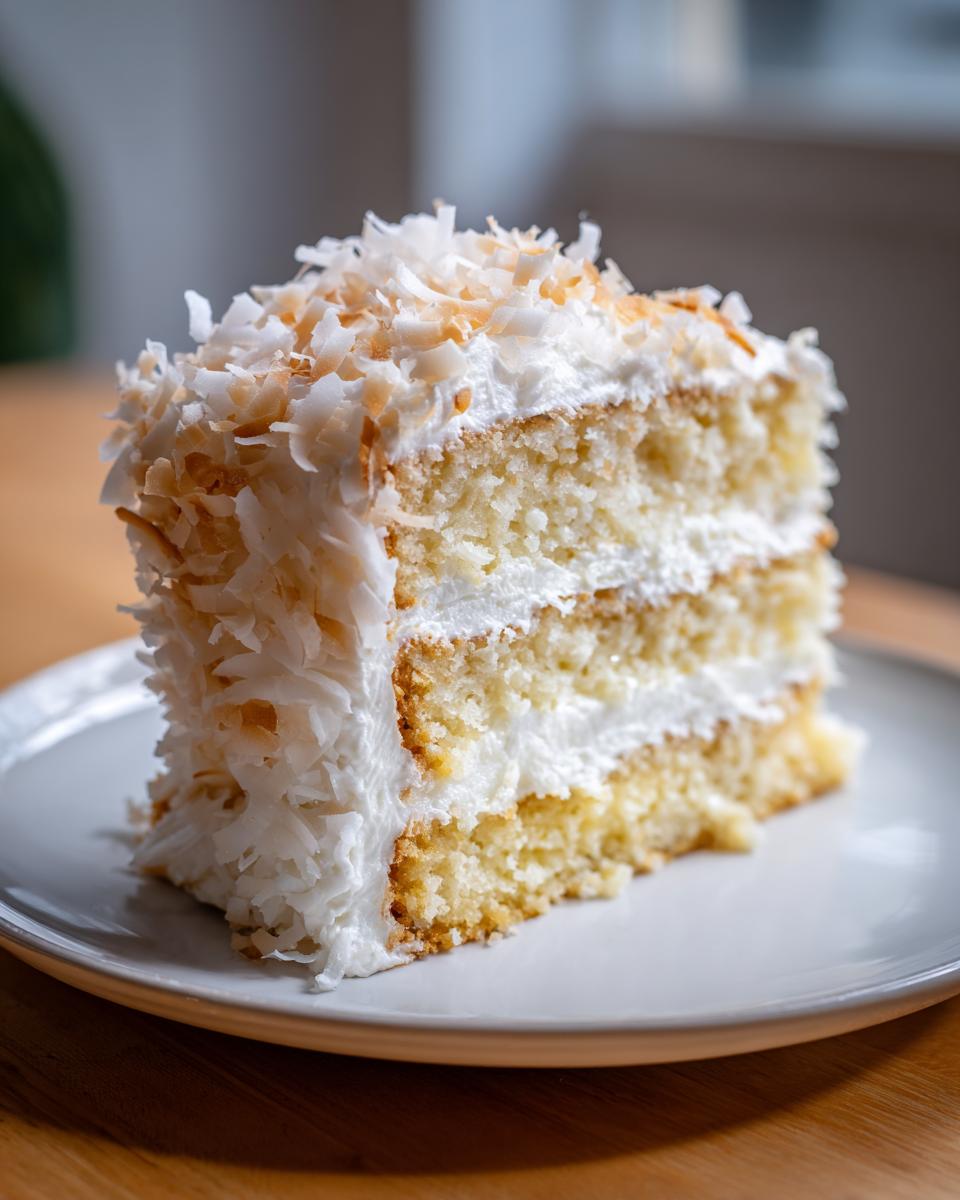
Crafting the Cream Cheese Frosting for this Coconut Cake
Oh, the frosting! This is where that gorgeous coconut cake truly comes to life. We aren’t making a stiff, hard topping; we want something that spreads like velvet and feels incredibly light when you bite into it. The secret here is temperature management and patience while mixing. Make sure your 8 ounces of cream cheese and that half-cup of butter are truly softened—I mean, they should squish easily between your fingers, but not look greasy or melted.
First, beat that softened cream cheese and butter together until they are utterly smooth. Use your mixer on medium speed for this part. Once it looks homogenous, start adding that sifted powdered sugar—and I mean *gradually*! Dumping it all in at once guarantees you’ll end up wearing half of it! Once it’s all mixed in, then you kick the speed up to medium-high. Let it run for a good few minutes until it turns pale and fluffy. That aeration is what we want!
Right near the end, drizzle in that teaspoon of coconut extract. This is so important because it gives you that deep, tropical punch without adding any more liquid to the frosting. Trust me, if you beat it long enough, this cream cheese frosting feels like a cloud settling on your amazing coconut cake. The resulting texture is just dreamy!
Assembling Your Old Fashioned Cake Recipes Masterpiece
Now that we have our beautiful, moist layers cooling and our fluffy coconut cream cheese frosting ready to go, it’s time for the fun part: putting this gorgeous old fashioned cake recipes masterpiece together! This is where the cake goes from being just cake to being that show-stopping dessert everyone talks about at gatherings. Make sure those layers are completely cool—I cannot stress this enough, or your frosting melts into soup!
Place your first cake layer onto your serving plate or cake stand—a little dab of frosting underneath can act like glue, keeping it from sliding around while you work. Take about one-third of your frosting and spread it evenly over the top surface of that first layer. Don’t be shy, but keep it neat; we want the edges contained enough that the frosting doesn’t ooze out everywhere when you place the second layer on top.
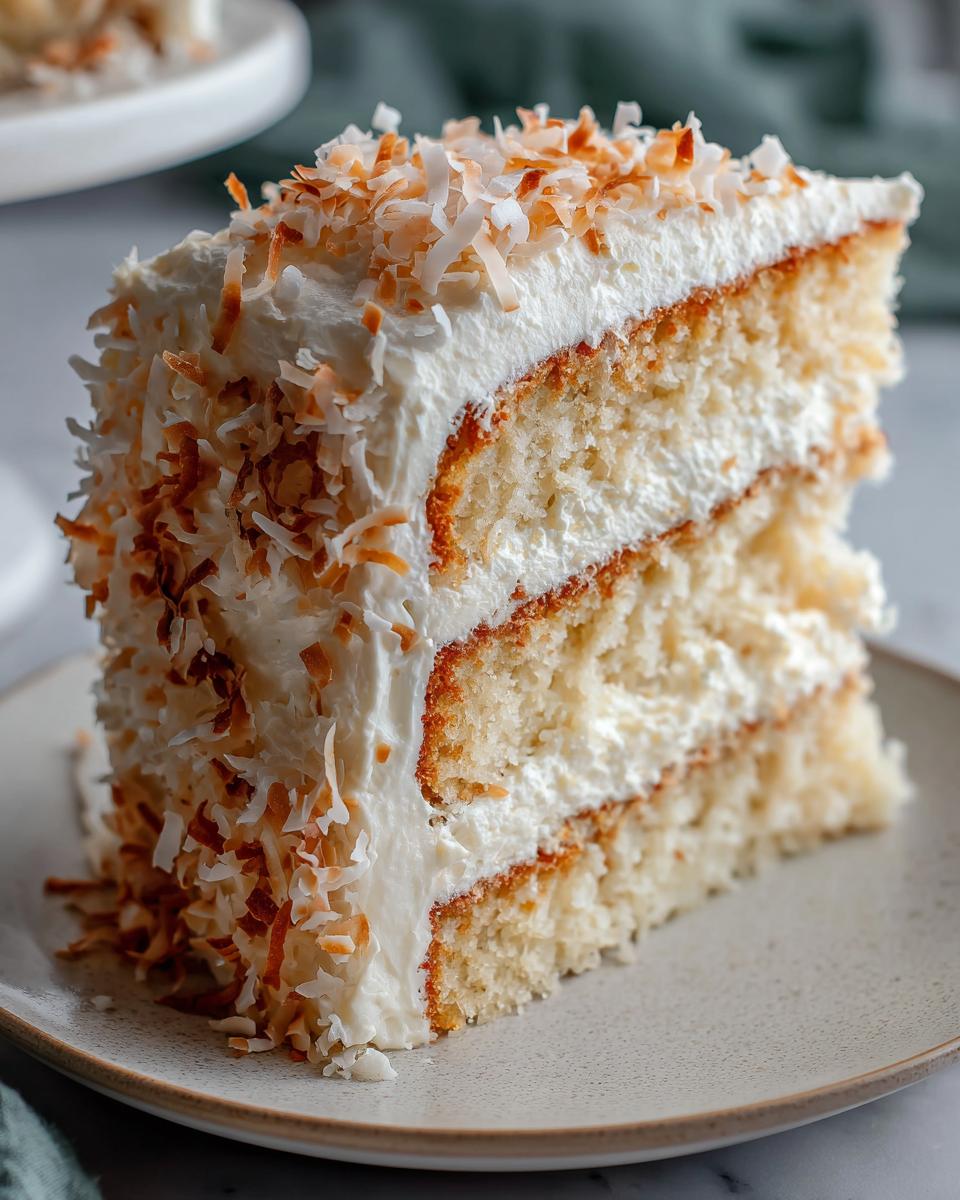
Gently set the second layer on top. Now you can go to town frosting the top and the sides of the entire coconut cake. I like using an offset spatula to get sharp edges, but honestly, a rustic, slightly messy look works wonderfully with this home-style dessert, too!
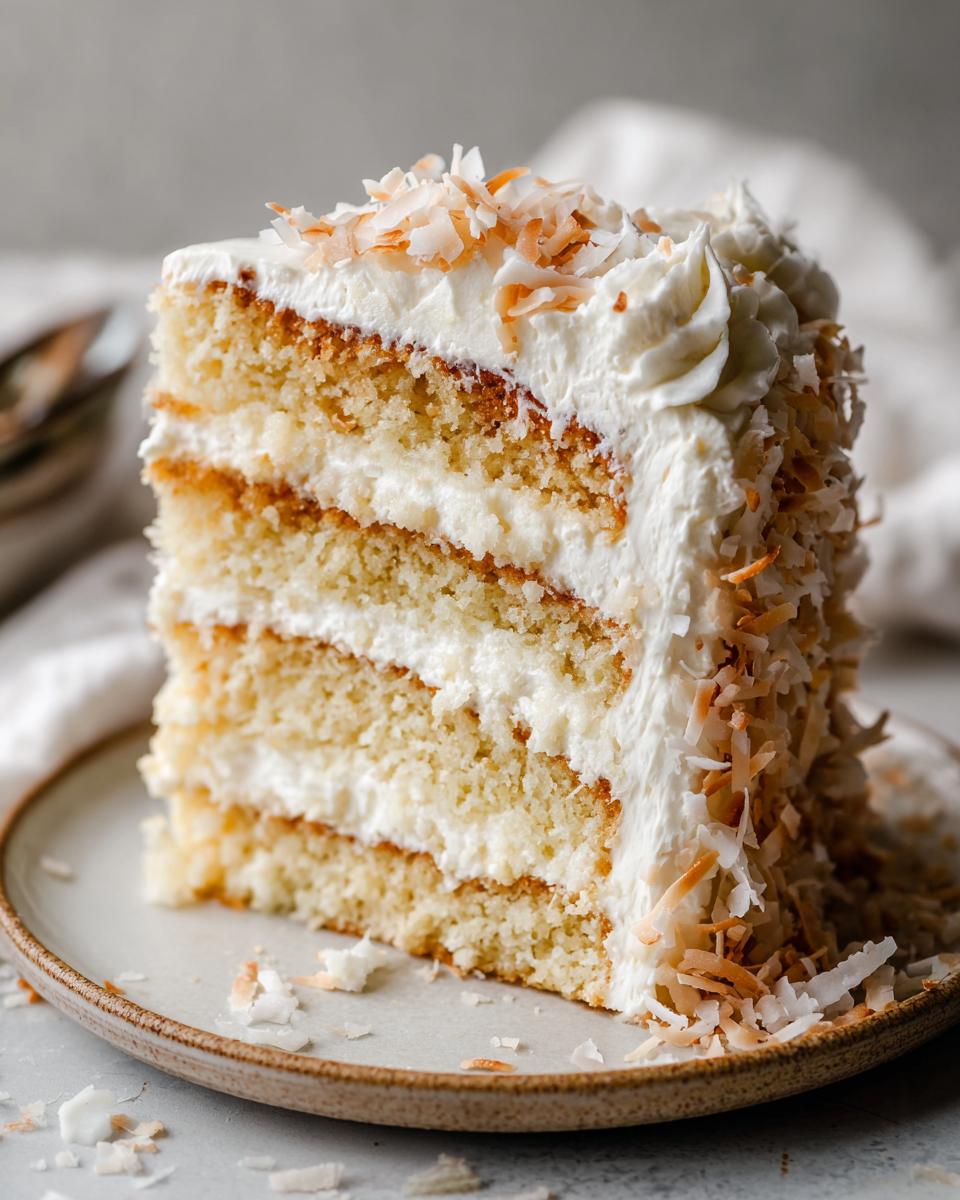
The real finale? The coconut! Take that final half-cup of sweetened flaked coconut and press it generously onto the top and sides. Now, here’s my favorite tip for a professional, richer flavor: toast the coconut first! If you bake it in a dry skillet or on a sheet pan at 350°F (175°C) for just 5 to 8 minutes until it’s golden brown, the flavor deepens immensely. That nutty, toasted flavor elevates this classic coconut cake immediately. Once you’ve covered it completely, pop the whole thing in the fridge for at least 30 minutes before slicing. That chilling time helps the frosting set up beautifully for the cleanest slices.
Tips for Success Making a Moist Coconut Cake Recipe
Even with the best recipe, little tricks can make the difference between a good cake and the kind of moist coconut cake recipe that people remember forever. Since we are aiming for that incredibly tender crumb that characterizes a great Southern dessert, I want to share a couple of key moves from my testing notes. These small adjustments help carry the flavor and keep the texture soft, even if this beautiful coconut cake sits around for a day or two.
First up: toasting the coconut isn’t just for looks! It draws out a deeper, almost buttery tropical flavor that makes your cake taste instantly more complex. And don’t forget that optional step of brushing the layers after they cool—it’s my favorite trick for ensuring peak moisture.
Ingredient Prep for Tropical Cake Flavors
When you’re dealing with a delicate crumb, ingredient temperature matters way more than you might realize. Please, pull your butter and eggs out a good hour before you plan to start mixing. Room temperature ingredients combine much more smoothly, which means less mixing time later, and less mixing equals less gluten development, leading to a softer cake overall.
Also, when it comes to the liquid, pay close attention to the coconut milk! We specifically call for full-fat canned coconut milk in the batter, not the watery carton kind you use for coffee. That rich fat content is critical for tenderness and those intense tropical cake flavors. It creates a barrier that keeps the flour pockets wonderfully tender as they bake.
Storage and Reheating Instructions for Your Coconut Cake
My favorite part about this coconut cake is that it actually tastes *better* the next day! So, storage is critical here, especially since we’re dealing with a decadent cream cheese frosting. Remember that final step where I told you to chill it for 30 minutes? That’s really the first step in storage—letting the frosting set up.
Once the frosting is firm, you have a couple of options, but you must keep it covered. Covering it keeps the cake layers from drying out and stops the frosting from developing that weird, crusty film on the outside. If you plan on eating this showstopper within a day or two, keeping it covered on the counter at cool room temperature is totally fine. That keeps the cake layers softest, which is what we want for that fluffy texture.
However, because of the cream cheese, if you need to keep it longer than 48 hours, you really should move it to the refrigerator. Just make sure you cover it tightly with a cake dome or loosely with plastic wrap, but whatever you do, don’t let it sit unwrapped! The cold air will definitely toughen up the layers.
If you do have to chill it, pull your slice out about 30 minutes before you plan to eat it. You want the butter and cream cheese in the frosting to soften just slightly so it’s creamy again and not hard straight from the fridge. I almost never reheat my layer cake, but if you *must*, never the microwave! Maybe warm a single slice in a very low oven (like 250°F) for just 5 minutes, tented with foil, just to bring the moisture back slightly before melting the frosting.
Frequently Asked Questions About This Classic Coconut Cake
It’s funny, even after testing this recipe a million times, readers always have fantastic questions! I totally get it—when you’re attempting a show-stopping dessert or a true classic coconut cake, you want every detail locked down. Below, I’ve gathered the most common things people ask me about getting this coconut cake absolutely perfect, especially concerning texture and that luscious frosting.
Can I substitute the cream cheese frosting on this coconut cake?
You absolutely can, though I’ll fight you a little because this cream cheese frosting is divine! But if you prefer something lighter and more traditional for a historical Southern presentation, you should try making a seven-minute frosting. It’s different because you cook the egg whites and sugar over a simmering water bath until it’s marshmallowy and stiff. It whips up beautifully light and pairs wonderfully with the moist layers of this coconut cake, giving you that airy, snowy look everyone loves in an old fashioned cake recipe without the tanginess of the cream cheese.
How do I make this a ‘Coconut Cream Cake’ variation?
That’s a fantastic idea for turning this into an even more indulgent dessert! To really push this toward a true Coconut Cream Cake, you have two easy routes. First, I recommend folding in something extra into the frosting. Instead of just using heavy cream/milk like we did for aeration, try whipping up some heavy cream separately until soft peaks form, and then gently fold that into your base cream cheese mixture.
The second option, which is purely visual and textural, is to use a filling! After layering your cake, spread a thin layer of your coconut cream frosting on the bottom layer, then sprinkle on extra toasted coconut or even some small cubes of sweetened coconut cream candy. This adds a layer of texture excitement that screams ‘tropical dessert recipes’ straight from the center. Either way, you nail that fluffy coconut cake experience!
Serving Suggestions for This Indulgent Dessert
Now that you’ve pulled this gorgeous, moist coconut cake out of the fridge and the frosting has set up perfectly, the only question left is: what do we serve it with? Since this indulgent dessert is already so rich with cream cheese, coconut, and sugar, we want accompaniments that enhance the tropical flavor without making the whole plate too overwhelmingly sweet.
This is absolutely a show stopper for any holiday table. For Christmas or Easter gatherings, just a simple white plate is often enough! But if you want to jazz things up, think about light, bright flavors found in other tropical dessert recipes. A small side of fresh, sliced mango or pineapple works wonders because the natural acidity cleanses the palate perfectly against the richness of the frosting.
If you want something warm to contrast the cool cake—and this works especially well if you serve this in the cooler months—try a tiny drizzle of warm sauce, but use it sparingly! A very thin drizzle of homemade caramel sauce or even a quick Bananas Foster sauce on the plate next to the slice (not over the top!) adds a layer of warmth without fighting the coconut flavor. It’s all about balance here. Enjoy every single bite!
PrintThe Ultimate Moist and Fluffy Southern Coconut Cake with Cream Cheese Frosting
You will make a tender, moist coconut cake with a light crumb and a rich, fluffy coconut cream cheese frosting. This classic recipe brings bakery-style flavor home for any celebration.
- Prep Time: 25 min
- Cook Time: 35 min
- Total Time: 60 min
- Yield: 10 servings 1x
- Category: Dessert
- Method: Baking
- Cuisine: American
- Diet: Vegetarian
Ingredients
- 1 3/4 cups all-purpose flour
- 1 3/4 cups granulated sugar
- 1 tablespoon baking powder
- 1/2 teaspoon salt
- 1/2 cup unsalted butter, softened
- 4 large eggs, room temperature
- 1 cup whole milk
- 1 teaspoon vanilla extract
- 1/2 cup unsweetened coconut milk (full fat)
- 1 cup sweetened flaked coconut, divided
- 8 ounces cream cheese, softened
- 1/2 cup unsalted butter, softened (for frosting)
- 3 cups powdered sugar, sifted
- 1 teaspoon coconut extract
Instructions
- Preheat your oven to 350°F (175°C). Grease and flour two 9-inch round cake pans. Line the bottoms with parchment paper.
- In a large bowl, whisk together the flour, sugar, baking powder, and salt.
- Add the softened butter, eggs, whole milk, vanilla extract, and coconut milk to the dry ingredients. Beat with an electric mixer on medium speed for two minutes until the batter is smooth.
- Gently fold in 1/2 cup of the sweetened flaked coconut into the batter by hand.
- Divide the batter evenly between the prepared cake pans. Bake for 30 to 35 minutes, or until a wooden pick inserted into the center comes out clean.
- Let the cakes cool in the pans for 10 minutes before inverting them onto a wire rack to cool completely.
- While the cakes cool, prepare the frosting. In a large bowl, beat the softened cream cheese and 1/2 cup butter until smooth.
- Gradually add the sifted powdered sugar, beating until combined. Mix in the coconut extract. Beat on medium-high speed until the frosting is light and fluffy.
- Place one cooled cake layer on your serving plate. Spread about one-third of the frosting evenly over the top.
- Place the second cake layer on top. Frost the top and sides of the entire cake with the remaining frosting.
- Press the remaining 1/2 cup of sweetened flaked coconut onto the top and sides of the cake. For extra flavor, toast the coconut lightly before applying.
- Chill the cake for at least 30 minutes before slicing and serving for the best texture.
Notes
- For an extra moist cake, you can brush the cooled cake layers lightly with a mixture of 1/4 cup coconut milk and 1 tablespoon sugar before frosting.
- To toast the coconut, spread it in a single layer on a baking sheet and bake at 350°F (175°C) for 5 to 8 minutes, watching closely to prevent burning.
- If you prefer a tangier frosting, use a full stick (8 tablespoons) of cream cheese in the frosting recipe.
Nutrition
- Serving Size: 1 slice
- Calories: 450
- Sugar: 55g
- Sodium: 280mg
- Fat: 24g
- Saturated Fat: 14g
- Unsaturated Fat: 10g
- Trans Fat: 0.5g
- Carbohydrates: 58g
- Fiber: 2g
- Protein: 5g
- Cholesterol: 105mg