

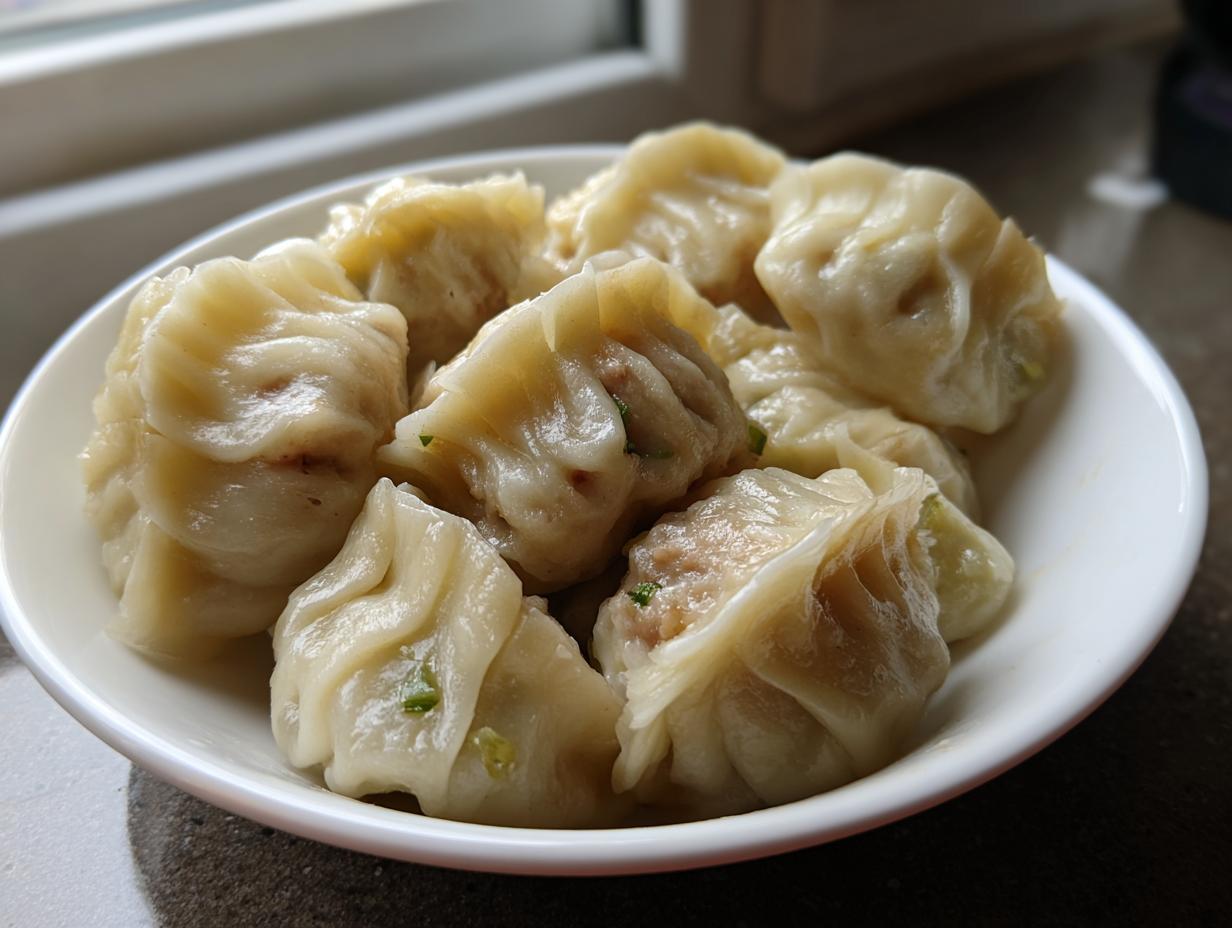
There is nothing quite like the satisfaction of making something truly authentic completely from scratch, right? I remember watching family members delicately fold these treats, and now, carrying on that respect for tradition is what cooking by hand is all about. This detailed guide is your complete roadmap for making the most amazing Traditional Chinese Dumplings you’ve ever tasted, flour and water included! After rigorous testing here in the kitchen, I promise these steps deliver that perfect taste, whether you’re rolling dough for the first time or getting ready for the Lunar New Year.
- Why This Traditional Chinese Dumplings Recipe Works (EEAT Focus)
- Ingredients for Authentic Traditional Chinese Dumplings
- Mastering Homemade Dumpling Wrappers for Traditional Chinese Dumplings
- Assembling and Pleating Your Traditional Chinese Dumplings
- Cooking Methods for Perfect Boiled Chinese Dumplings
- Freezer Friendly Dumplings: Make-Ahead and Storage Tips
- Frequently Asked Questions About Traditional Chinese Dumplings
- Estimated Nutritional Information for Traditional Chinese Dumplings
- Share Your Traditional Chinese Dumplings Experience
Why This Traditional Chinese Dumplings Recipe Works (EEAT Focus)
You know, I get asked all the time how I make sure my recipes are reliable—and for something as important as Traditional Chinese Dumplings, reliability matters! It all comes down to a deep respect for how things *should* taste and texture. This recipe nails the ideal ratio of rich ground pork balanced perfectly with juicy, squeaky Napa cabbage. Trust me, that balance is everything!
But the real secret, the part that connects us to tradition, is making the wrappers fresh. Store-bought wrappers are fine in a pinch, but they taste like cardboard compared to these slightly chewy, tender dough circles we make from just flour and water. I didn’t just guess at these measurements; I spent weeks testing wrapper thickness and filling consistency until I knew, without a doubt, this produced the perfect bite.
When you commit to making them this way, you honor the experience behind the recipe. If you want to know more about the philosophy behind making classic dishes accessible yet authentic, you can always check out the story behind Cooking by Mia.
Ingredients for Authentic Traditional Chinese Dumplings
Okay, gathering your ingredients is half the battle, and trust me, you only need a few simple things to create the most incredible pork cabbage dumplings. Don’t feel overwhelmed by a long list; most of these are pantry staples! We are breaking this down into the dough bits and the filling bits so you can organize your mise en place.
My professional background in nutrition helps me appreciate how these simple items balance out perfectly for volume and flavor. When you stick to the details here, you’ll see why this authentic Chinese dumplings recipe is so sturdy and flavorful once cooked.
For the Homemade Dumpling Wrappers
This dough is the purest expression of the wrapper—it’s just these two things, and that’s it! We don’t need eggs or fancy oils in the dough itself, which keeps them light and easy to work with. It’s amazing how the simplicity here creates such a fantastic wrapper.
- 2 cups all-purpose flour
- 1 cup warm water (This is non-negotiable! Too cold, and the dough won’t come together.)
For the Pork Cabbage Dumpling Filling
This is where the magic really happens for flavor! The key to a delicious, non-watery filling is making sure you handle that cabbage properly. Seriously, take the time to squeeze out the excess moisture—it prevents your beautiful wrappers from getting instantly soggy!
- 1 pound ground pork (80/20 blend works great for flavor)
- 3 cups finely chopped Napa cabbage
- 1 tablespoon soy sauce
- 1 teaspoon sesame oil
- 1 teaspoon grated fresh ginger
- 1/2 teaspoon salt
- 1/4 teaspoon white pepper
Mastering Homemade Dumpling Wrappers for Traditional Chinese Dumplings
Making homemade dumpling wrappers is perhaps the most rewarding part of this whole process. I know, I know—it sounds scary! But honestly, the dough for Traditional Chinese Dumplings is so simple, it’s nearly foolproof. It’s just flour and water, but technique changes everything. We need that dough to relax beautifully so we can roll it thin without tearing it later when we’re filling them for our big dinner.
Kneading and Resting the Dough
Start by getting that shaggy mess mixed in the bowl until it just holds together. Then, get your hands in there! I need about 8 to 10 minutes of solid kneading until the dough feels smooth and elastic—not sticky, but definitely not dry or crumbly. Feel for that change in texture; it’s important for gluten development.
Once it’s smooth, cover that little ball up tight—a slightly damp kitchen towel works perfectly. We let it rest for a full 30 minutes. Why the wait? That downtime is crucial! It lets the gluten relax, which will make rolling out those wrapper circles later ten times easier. If you skip the rest, you’ll be fighting the dough the whole time, and nobody wants stressed-out dumpling wrappers!
Rolling the Perfect Wrapper Circle
Take your rested dough and divide it into four even sections so it’s manageable. Roll each section into a long, smooth rope—think thick rope, not skinny snake. Then slice that rope into little 1-inch discs; this is where many folks stop measuring, but keeping these pieces roughly the same size really helps with consistent cooking later on.
Now for the rolling! We aim for a circle about 3 inches wide. The trick I learned from working in busy kitchens is to roll slightly harder at the edges than the center. This gives you a wrapper that’s thin enough to steam beautifully but has a slightly thicker center that won’t tear when loaded with that rich pork filling. Keep a light dusting of flour handy so nothing sticks!
Assembling and Pleating Your Traditional Chinese Dumplings
Alright, we’ve got the dough rested, and the filling is seasoned perfectly—now we get to the fun part: making them look like real Traditional Chinese Dumplings! You only want about one teaspoon of that juicy filling right in the middle of your freshly rolled wrapper. Don’t be tempted to overfill them; that’s the easiest way to end up with exploded dumplings when they hit the water. Seriously, keep it small!
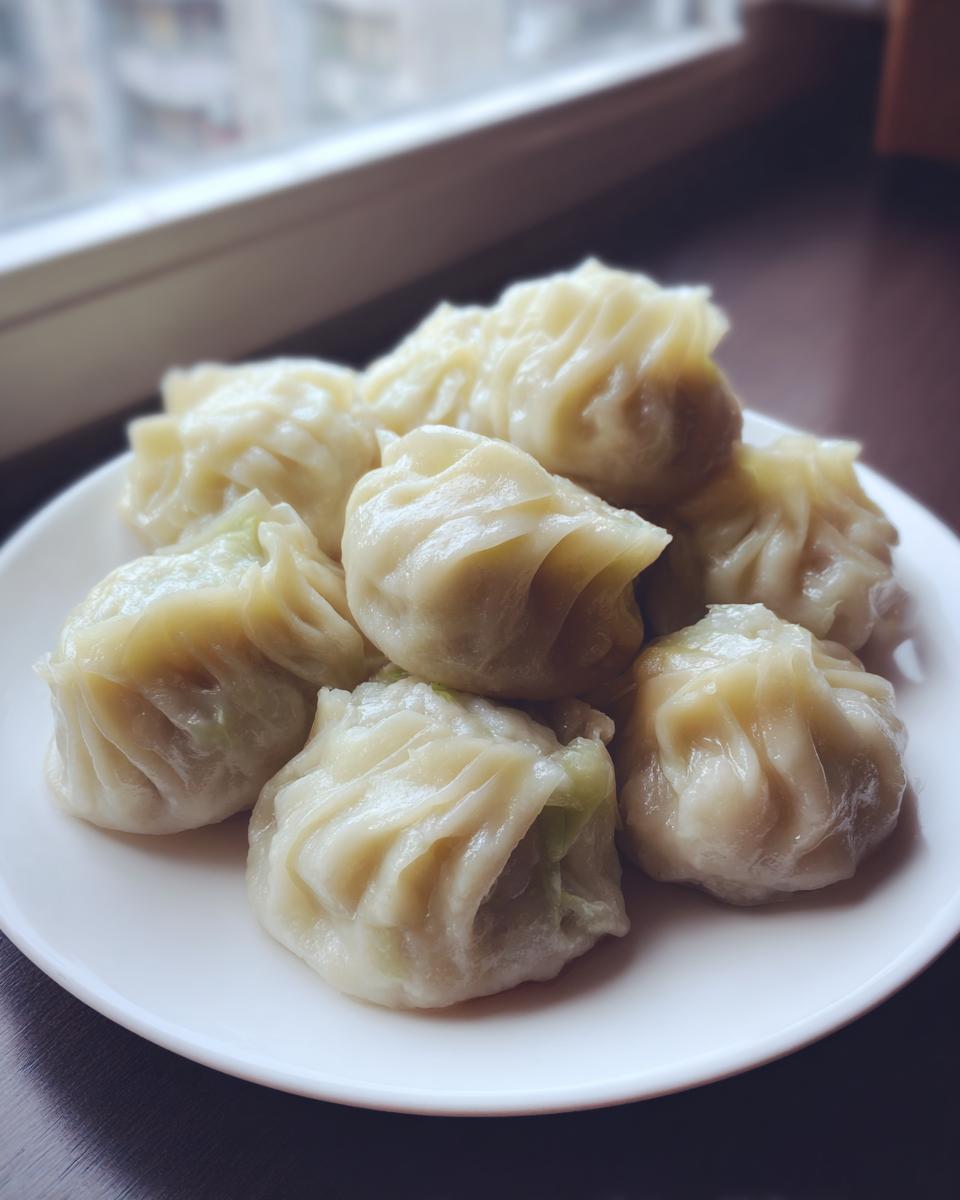
Once the filling is nestled in, take a tiny bit of water on your finger—just enough to wet the edges all the way around. Moisten that edge, fold the wrapper in half to make a half-moon shape, and then we seal it up! If you want those beautiful, classic seals that scream authentic jiaozi, you need to crimp those edges together. I like to make small, overlapping folds, like tiny little fans closing up to keep all that amazing pork and cabbage goodness trapped inside. It’s totally fine if your first few look a little wonky; they taste perfect even if they aren’t Instagram-ready!
Cooking Methods for Perfect Boiled Chinese Dumplings
Now for the moment of truth—cooking these gorgeous Traditional Chinese Dumplings! While you certainly can pan-fry them for potstickers (which are also heavenly, by the way!), if you want that classic, tender wrapper texture, boiling is the way to go. When I first tried making these years ago, I jammed way too many into the small pot at once, and I ended up with a giant, starchy, unappetizing ball of dough. Oops! Now, I’ve learned to be gentle.
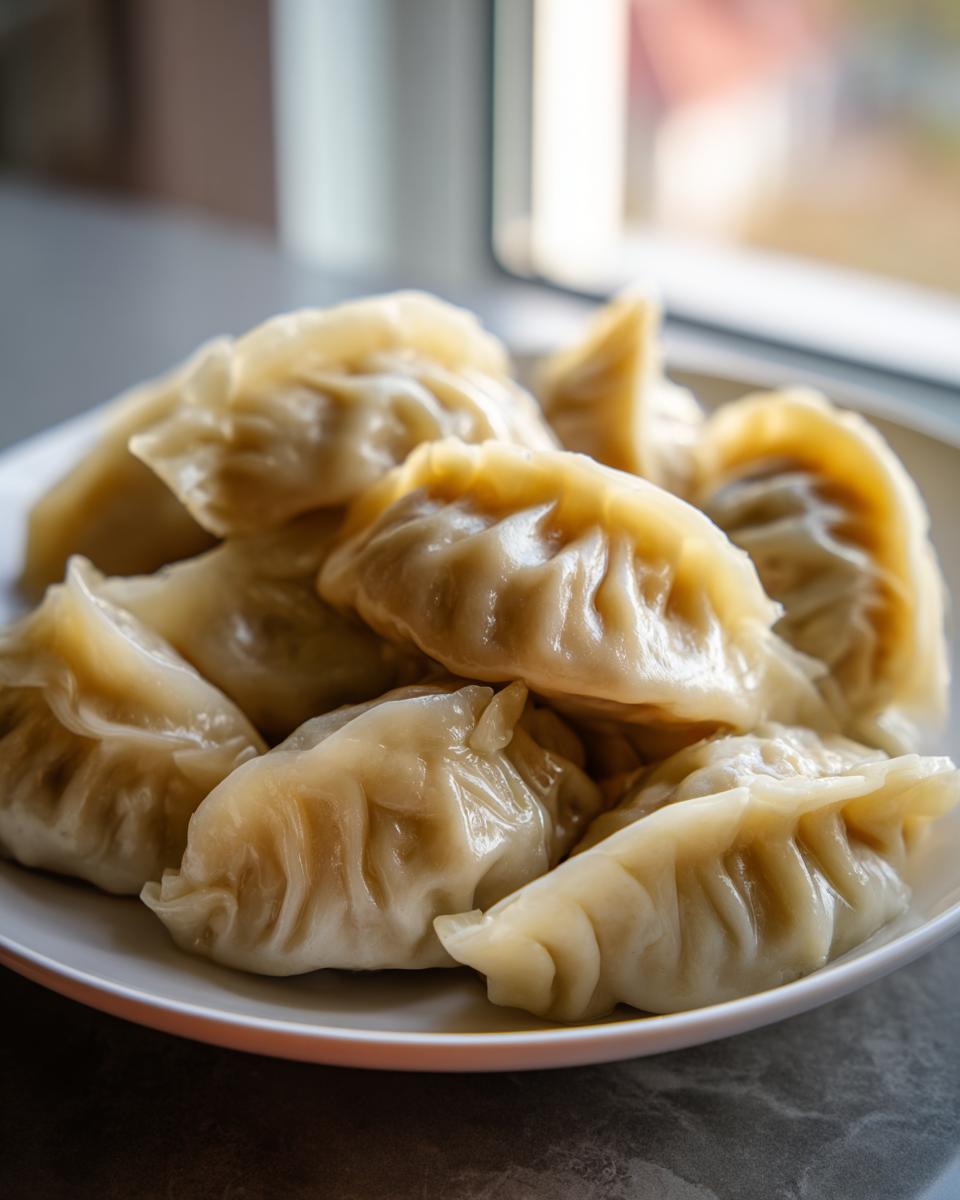
Bring a big pot of water to a proper, rolling boil—don’t skimp on the water volume. Drop your dumplings in gently, one or two at a time, making sure they have space to swim around freely so they don’t glue themselves together. This is how we achieve perfect boiled Chinese dumplings.
Keep the heat high enough that the water comes back to a simmer quickly. They are usually done after about 5 to 7 minutes. You’ll see them start to float to the surface, which is your natural indicator that they are nearly done. Once they surface, let them cook just another minute or two until the wrapper feels totally tender, but not mushy. Scoop them out with a slotted spoon and get ready for the best dipping session!
Freezer Friendly Dumplings: Make-Ahead and Storage Tips
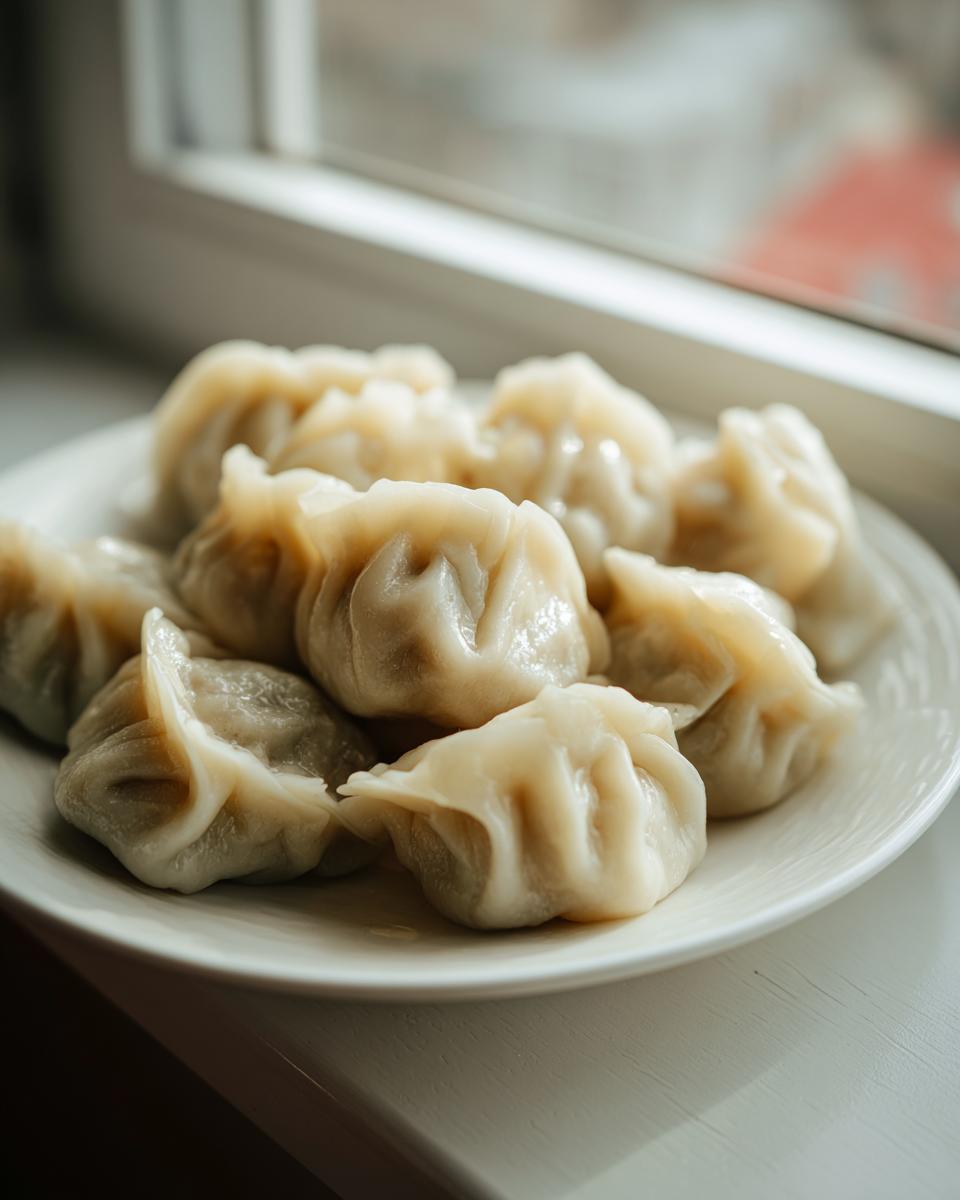
One of the best parts about investing all that time making Traditional Chinese Dumplings from scratch is knowing you can have them next week without all the work! This recipe is super freezer friendly dumplings material. The trick here is flash freezing, which stops them from turning into one giant, frozen clump.
As soon as you finish assembling your dumplings—and before you cook *any* of them—lay them out in a single layer on a baking sheet that you’ve already prepped with parchment paper. Make sure they aren’t touching each other at all! Pop that sheet right into the freezer until they are rock solid, which usually takes about an hour depending on how cold your freezer runs.
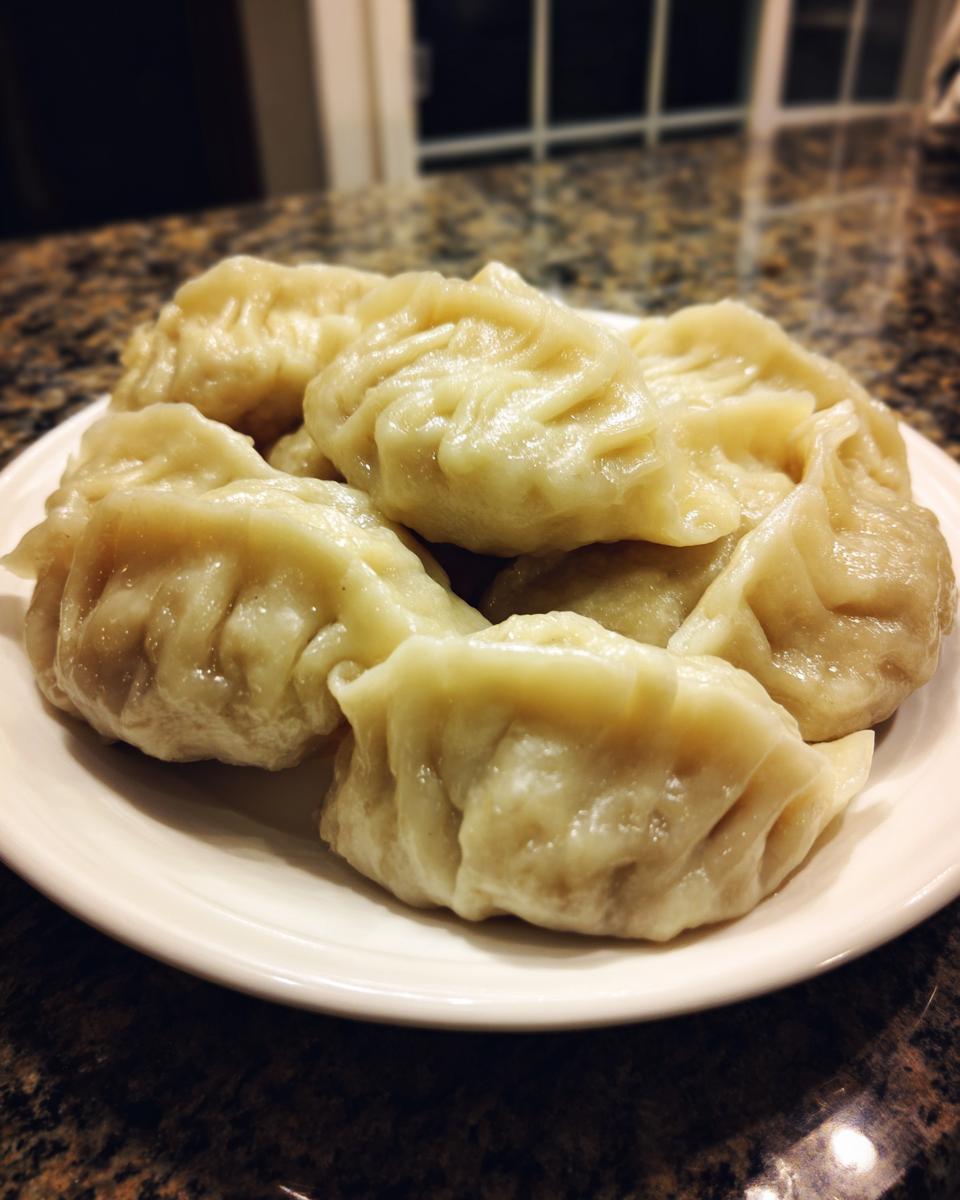
Once they’re frozen like little ice pucks, gather them up and toss them into a good, heavy-duty freezer bag. Squeeze out as much air as you can before sealing them up tight. When you finally decide to cook them, just throw them straight into that boiling water—don’t thaw them first! Remember to add just a couple of extra minutes to your cooking time to make sure that rich pork filling gets completely hot through.
Frequently Asked Questions About Traditional Chinese Dumplings
I always get so many questions after posting this recipe—it’s a labor of love, so naturally, people want to get it just right! Making Traditional Chinese Dumplings for the first time can feel like a big project, but these little tips should clear things up so you can confidently serve these up for your next family dinner or even for the upcoming lunar new year dumplings celebration!
Can I substitute the pork in this Chinese dumplings recipe?
Absolutely! While the classic flavor comes from pork, this Chinese dumplings recipe is very adaptable. You can swap it out for ground chicken or turkey, but just know they will be a bit leaner, so you might want to add a splash more sesame oil for richness. If you want a vegetarian option, finely minced mushrooms and tofu work wonderfully, but you’ll notice the texture is definitely different from the pork version. It’s all about what you love!
What is the best dipping sauce for authentic jiaozi?
Oh, the sauce! You can buy those fancy bottles, but seriously, the very best dipping sauce for authentic jiaozi is the easiest one. It’s my go-to every single time. Just mix together 2 parts light soy sauce, 1 part rice vinegar, and just a tiny drizzle of chili oil if you like heat. Don’t forget a tiny splash of sesame oil in that mix too. It just brightens up the savory richness of the filling perfectly.
How long do I cook Traditional Chinese Dumplings from frozen?
Remember how we flash-froze them? Great! When you cook them directly from frozen, you don’t need to worry about the wrapper separating. You just add a few extra minutes to the cooking time we talked about earlier. So, instead of 5 to 7 minutes in boiling water, plan on cooking them for about 8 to 10 minutes total. They need that little extra time for the center of the filling to heat all the way through safely, but you’ll see them float when they’re almost there!
If you ever have more detailed questions about adapting this recipe or need clarification on processing times, feel free to review our policy or reach out through the contact page!
Estimated Nutritional Information for Traditional Chinese Dumplings
Listen, I put my Nutrition degree to good use, but I have to give you a big disclaimer right up front: because we are making everything from scratch—especially that dough—these numbers are just my best educated guess based on the ingredients and averages! These figures are based on a serving size of about 5 boiled Chinese dumplings.
The good news is that because we aren’t deep-frying them and we use leaner ground pork, these are actually quite a balanced meal, especially when you look at that high protein content from the meat. But remember, homemade means ingredients can vary slightly, so treat this as a helpful guideline rather than a strict lab reading!
- Serving Size: 5 dumplings
- Calories: Approximately 250
- Protein: About 15g – That’s why these are so satisfying!
- Fat: Roughly 12g total fat (which is pretty reasonable for a main course!)
- Carbohydrates: Around 22g (mostly from the homemade wrapper)
- Sodium: About 350mg (this largely depends on how much salt you put in the filling!)
It’s a solid, hearty meal when you think about it. You get your carbs from the wrapper, good protein from the pork, and flavor from the veggies. I always feel great after eating a nice plate of these dumplings.
Share Your Traditional Chinese Dumplings Experience
And just like that, you’ve made authentic, soul-satisfying Traditional Chinese Dumplings from scratch! Doesn’t that feel amazing? I truly hope this recipe brings the same joy and connection to your kitchen that it brings to mine.
Now, I need your help! I absolutely live to hear how your kitchen experiments turn out. Please, take a moment right now to jump down to the comments section below and let me know what you thought. Did you master the folds? Did your family notice the difference between these and store-bought wrappers?
I would really appreciate it if you could give this recipe a rating—even just a quick 1 to 5 stars helps other home cooks see that this technique is reliable. Don’t hold back on any tips you picked up along the way, either! Share your secrets for the perfect dipping sauce or the best way you sealed those little purses.
Whether you’re making these for a quiet Tuesday night dinner or planning a huge spread for a major celebration, these homemade dumplings are worth every minute you put in. If you ever have trouble at all while trying to follow along, especially with that dough prep, please don’t hesitate to reach out through the contact page. Happy folding, and I can’t wait to see your results!
PrintTraditional Pork and Cabbage Chinese Dumplings (Jiaozi)
Make authentic Chinese pork and cabbage dumplings from scratch, including instructions for making homemade wrappers and freezing for later.
- Prep Time: 45 min
- Cook Time: 10 min
- Total Time: 55 min
- Yield: About 40 dumplings 1x
- Category: Dinner
- Method: Boiling
- Cuisine: Chinese
- Diet: Low Fat
Ingredients
- 2 cups all-purpose flour
- 1 cup warm water (for wrappers)
- 1 pound ground pork
- 3 cups finely chopped Napa cabbage
- 1 tablespoon soy sauce
- 1 teaspoon sesame oil
- 1 teaspoon grated fresh ginger
- 1/2 teaspoon salt
- 1/4 teaspoon white pepper
Instructions
- Make the dough: Combine flour and warm water in a bowl. Mix until a shaggy dough forms. Knead on a lightly floured surface for 8 to 10 minutes until smooth. Cover and let rest for 30 minutes.
- Prepare the filling: Squeeze excess water from the chopped cabbage. In a bowl, combine the ground pork, cabbage, soy sauce, sesame oil, ginger, salt, and white pepper. Mix well until the filling is uniform.
- Roll the wrappers: Divide the dough into four equal pieces. Roll each piece into a long rope and cut into 1-inch pieces. Roll each piece into a thin circle, about 3 inches in diameter.
- Assemble the dumplings: Place about 1 teaspoon of filling in the center of a wrapper. Moisten the edges with water. Fold the wrapper in half to form a half-moon shape and crimp the edges to seal, creating pleats if desired.
- Cook the dumplings: Bring a large pot of water to a rolling boil. Gently drop the dumplings into the water, ensuring they do not stick together. Cook for 5 to 7 minutes, or until the dumplings float and the filling is cooked through.
- Serve immediately with your preferred dipping sauce.
Notes
- To freeze for later: Place uncooked dumplings in a single layer on a baking sheet lined with parchment paper. Freeze until solid, then transfer to a freezer bag. Cook directly from frozen, adding a few extra minutes to the cooking time.
- For a richer flavor, substitute 1/4 cup of the cabbage with finely chopped scallions.
- You can boil these authentic jiaozi or pan-fry them for potstickers.
Nutrition
- Serving Size: 5 dumplings
- Calories: 250
- Sugar: 1
- Sodium: 350
- Fat: 12
- Saturated Fat: 4
- Unsaturated Fat: 8
- Trans Fat: 0
- Carbohydrates: 22
- Fiber: 1
- Protein: 15
- Cholesterol: 55