

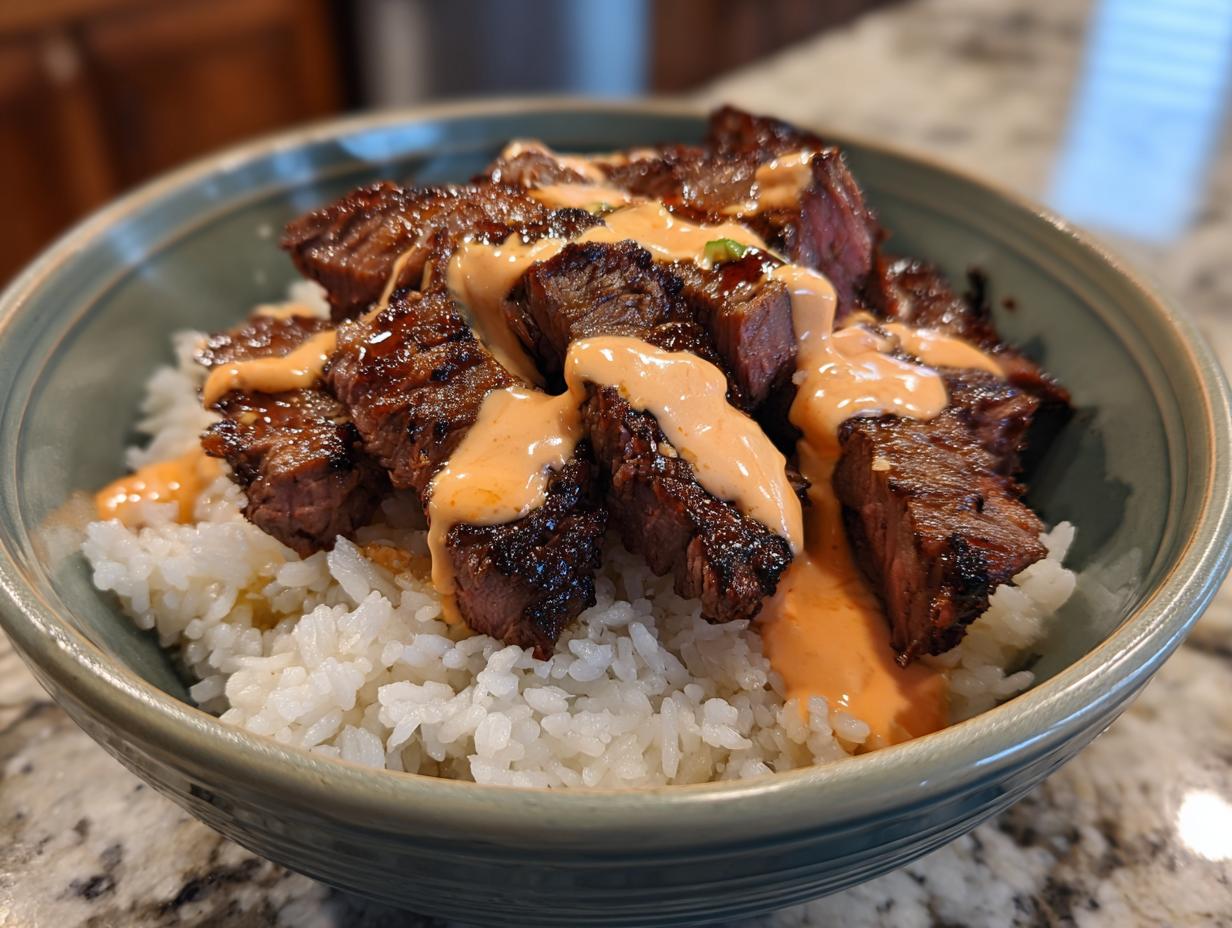
Listen, when the clock hits 5:30 PM and you’re staring down another ‘just okay’ weeknight dinner, you deserve better! My journey in the kitchen, moving from mastering traditional flavors to adapting them wildly, taught me one thing: weeknight meals should never taste like a compromise. That’s why I’m so excited about these Korean BBQ steak rice bowls. Seriously, they pack the flavor punch of a slow-cooked weekend meal but come together faster than you can decide on takeout. If you love getting big, bold results from simple pantry staples—just like I love tinkering with sauces—these bowls are your new go-to for incredible asian dinner ideas.
- Why You Will Make These Korean BBQ Steak Rice Bowls Every Weeknight
- Essential Ingredients for Flavorful Korean BBQ Steak Rice Bowls
- Creating the Signature Spicy Cream Sauce (Gochujang Mayo)
- Step-by-Step Instructions for Perfect Korean BBQ Steak Rice Bowls
- Tips for Success with Your Korean Beef Bowl
- Variations for Your Korean BBQ Steak Rice Bowls
- Storage and Reheating Instructions for Meal Prep Bowls
- Frequently Asked Questions About This Rice Bowl Recipe
- Sharing Your Korean BBQ Steak Rice Bowls Experience
Why You Will Make These Korean BBQ Steak Rice Bowls Every Weeknight
I promise you, once you try this combination of tender steak and creamy spice, you’ll stop scrolling through delivery apps on a Tuesday night. These bowls solve every dinner dilemma we face.
- Speed and Simplicity for Your Weeknight Dinner
We are talking about a total time of under 30 minutes here! The entire process is streamlined, and the quick steak marinade works its magic fast, but you can leave it longer if you have the time. It’s about maximum taste with minimum fuss, which is exactly what you need when it’s dark outside.
- Perfect for Meal Prep Bowls
If you’re anything like me, sometimes you just need food ready to go! This recipe excels at being broken down into separate containers. By keeping the sauce separate, your rice stays fluffy and your steak stays perfectly seared, making those busy lunchtime meal prep bowls a dream.
Essential Ingredients for Flavorful Korean BBQ Steak Rice Bowls
Okay, for these Korean BBQ steak rice bowls to truly sing, we have to treat the ingredients right. When I work on developing recipes like this, I lean on the flavor principles I learned from my background, making sure every building block adds something crucial. It’s not just about throwing things in a pan; it’s about balancing rich savory notes with brightness. If you want that amazing, authentic taste, pay close attention to the protein and how you dress it before hitting the heat. You can read more of my thoughts on building flavor foundations on my About page.
Selecting and Preparing the Steak
For the best results, especially when you’re only marinating for a short time, you want a cut that’s tender but holds up to high heat. I almost always grab flank steak or sirloin for this. The secret here, and please listen to this part: slice it paper-thin, no thicker than an eighth of an inch, and always slice *against the grain*. This makes sure you get that satisfyingly tender bite instead of having to chew forever!
Crafting the Quick Steak Marinade
This marinade is what turns simple beef into true bulgogi rice bowl gold. It’s simple, but every part matters! You need 1/4 cup of soy sauce blending with 2 tablespoons of brown sugar—we need that molasses depth. Then, 1 tablespoon of sesame oil, minced garlic, grated ginger, and just a little black pepper. That’s it! Toss your thin steak in there and let the quick steak marinade do its job while you start your rice.
Creating the Signature Spicy Cream Sauce (Gochujang Mayo)
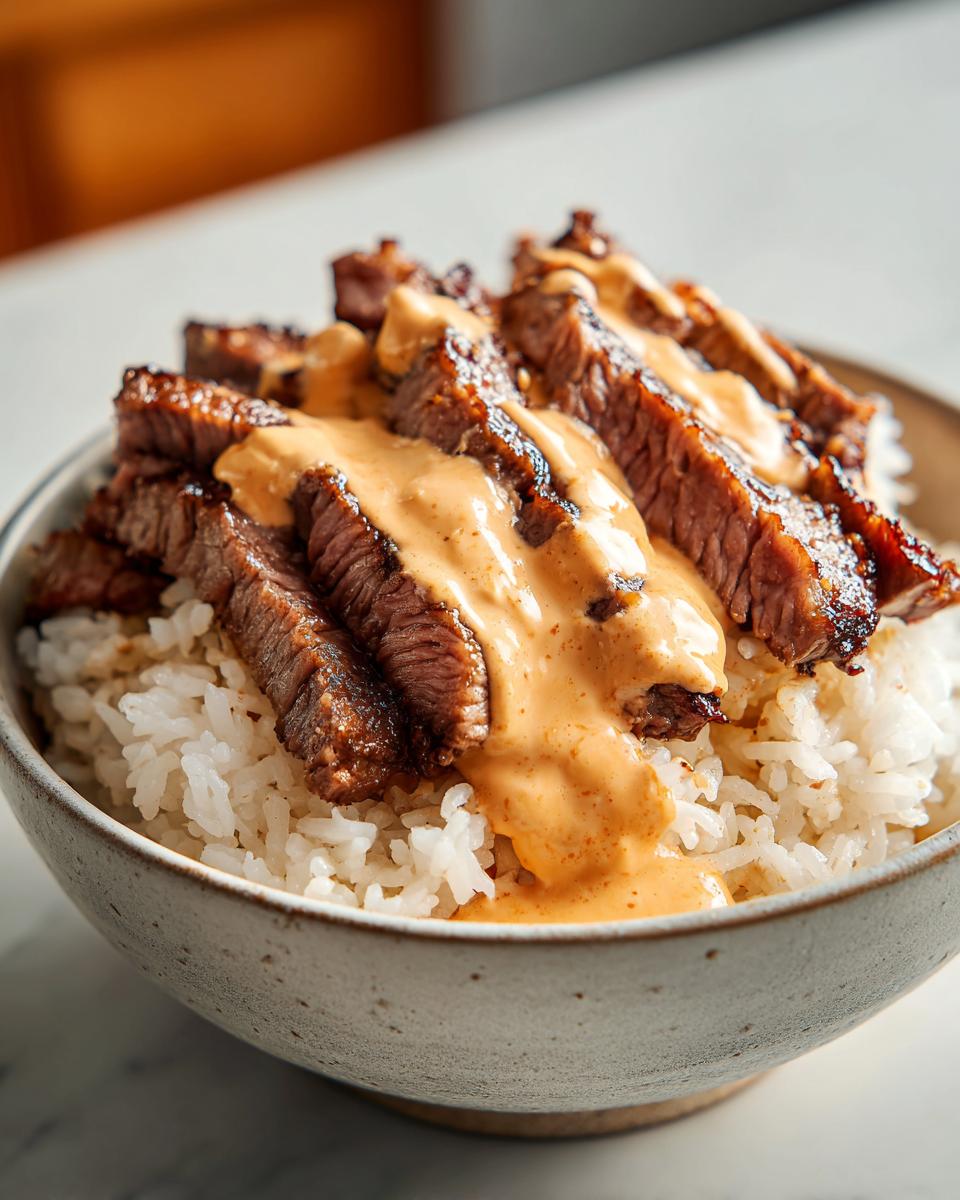
If the steak marinade is the soul of these Korean BBQ steak rice bowls, then this sauce is the fireworks display! Every great steak rice bowl needs a creamy counterpoint, and our gochujang mayo provides that perfect blend of richness and Korean chili warmth. It’s so simple—you’ll have it whisked together while the steak is cooking. This creamy drizzle is what elevates this from good to totally unforgettable, trust me on this one.
Balancing Heat in Your Spicy Cream Sauce
Look, I love spice, but I know not everyone wants their face melted off at dinner. The recipe calls for 2 tablespoons of gochujang, which gives it a nice, noticeable kick that pairs beautifully with the savory beef. However, if you are sensitive to heat, or if you’re cooking for kids, ease up! Start with just one tablespoon. You can always add more later, but you can’t take it out once it’s mixed in. Whisk that gochujang with 1/2 cup of mayo, a splash of rice vinegar for tang, and a tiny bit of honey to smooth everything out. It turns this into the ultimate spicy cream sauce in about two minutes flat.
Step-by-Step Instructions for Perfect Korean BBQ Steak Rice Bowls
Now for the fun part—getting this incredible steak rice bowl into your mouth! I always manage my time so the sauce is done first, then the steak cooks right when the rice is ready. It all comes together so quickly, it’s almost unbelievable for how much flavor you get. You’ll be shocked this qualifies as a legitimate weeknight dinner!
Marinating the Steak for Maximum Flavor
Remember that quick steak marinade we mixed up? Get your thinly sliced beef into that bowl and toss it around until every piece is coated in that savory, garlicky mixture. You absolutely need to let this sit for at least 15 minutes, but honestly, just tossing steaks in the marinade the minute you start cooking your rice is perfect. If you have more time, great, stick it in the fridge for up to four hours, but 15 minutes is the minimum magic window required!
Cooking the Steak to Perfection
This is where people often mess up their korean beef bowl! You need high heat—medium-high at the very least—in a large skillet or wok. But here is the most crucial tip: work in batches! Packing too much steak in the pan drops the temperature instantly, and then your beef steams instead of getting those gorgeous, flavorful caramelized edges. Cook each batch for just 2 to 3 minutes per side. It cooks so fast because it’s sliced thin!
Assembling Your Steak Rice Bowl Recipe
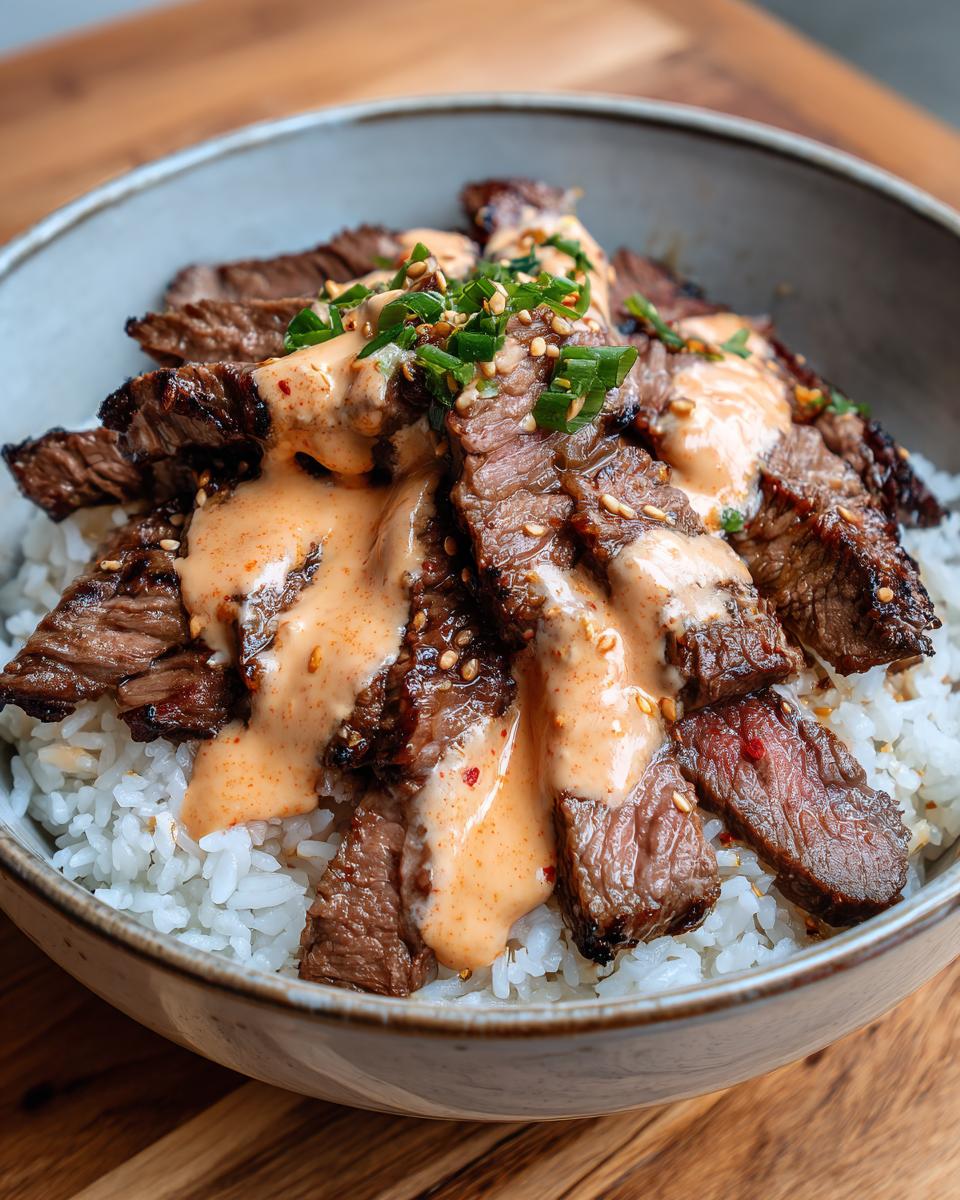
Time to build! Start with a hefty layer of fluffy white rice in the base of your bowl—that’s the foundation. Next, lovingly pile on those beautifully seared strips of Korean BBQ steak. If you’re adding those fresh cucumber slices or shredded carrots for crunch, arrange them nicely around the edges now. Finally, this is the grand finale: drizzle that rich, pale orange spicy cream sauce generously over the entire thing. Seriously, don’t be shy with the sauce!
Tips for Success with Your Korean Beef Bowl
I want your korean beef bowl to taste exactly like the best homemade takeout you’ve ever had. Since this dish moves so fast—we’re talking 10 minutes max for cooking the steak—a few expert tricks pulled from my recipe testing knowledge will make all the difference in texture and flavor. Don’t worry if you’re new to cooking beef this quickly; I’ve got the cheat sheet right here to guarantee success!
Achieving a Great Sear on the Steak
Seriously, this echoes the most important step from the cooking instructions, but it bears repeating because it’s crucial for this steak rice bowl! You must get your skillet screaming hot before the steak even thinks about touching the metal. If you crowd the pan, the temperature drops, and BAM! You’re stewing the beef in its own juices instead of getting those incredible, slightly crispy, caramelized edges that define great Korean BBQ. Use only a single layer of steak in that hot pan, and if you have a lot of beef, just work in two or even three small batches. It might add an extra two minutes, but that sear is everything.
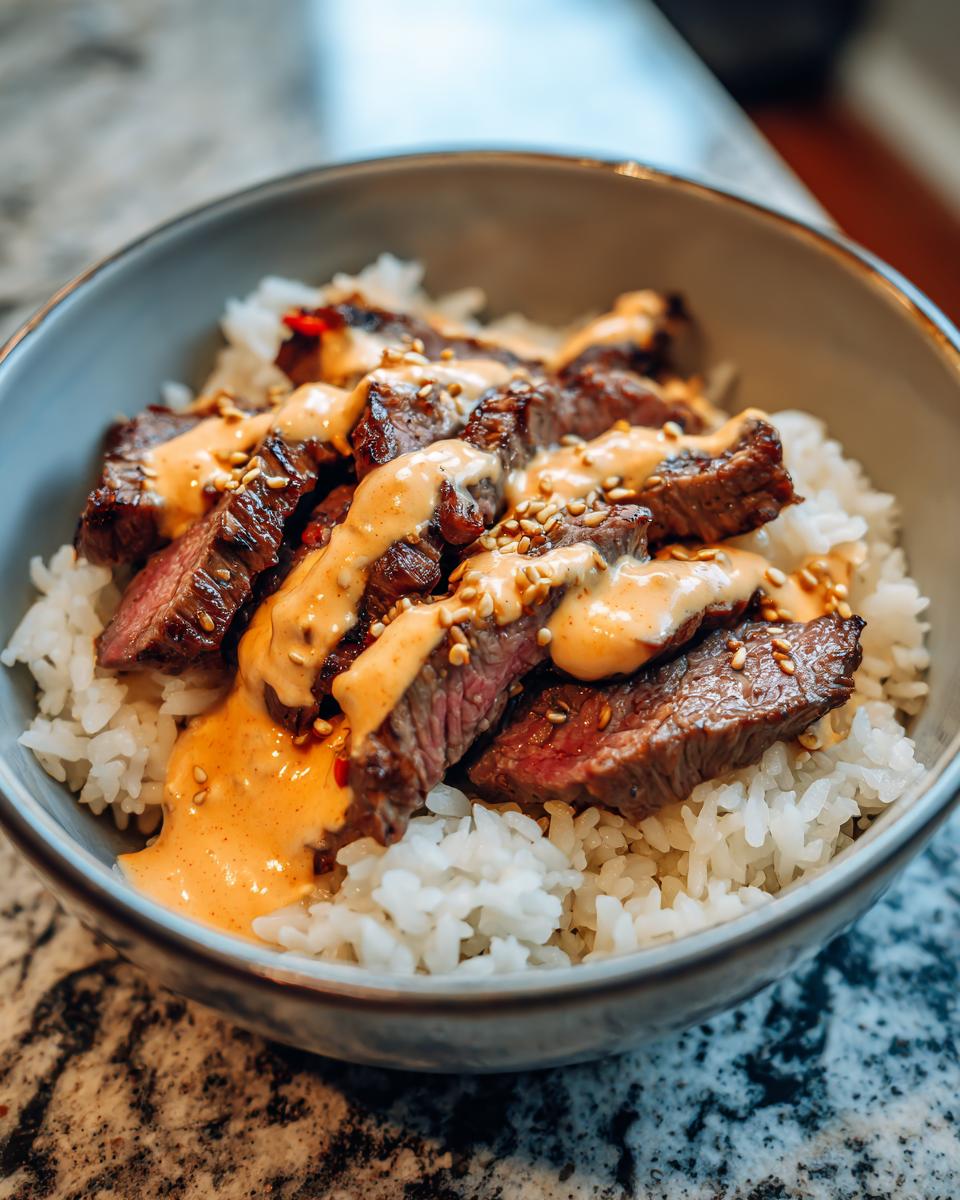
Also, one quick thing about your rice: make sure it’s hot! Cold rice straight from the fridge can cool down your bowl assembly quickly. A quick minute in the microwave or keeping it warm while you cook the steak means you get that perfect temperature contrast between fluffy, hot rice, tender marinated beef, and that cool drizzle of spicy mayo.
Variations for Your Korean BBQ Steak Rice Bowls
Even though these Korean BBQ steak rice bowls are pretty perfect as they are, half the fun of cooking is playing around, right? Since I love seeing how people adapt my baseline recipes into their very own favorites, I always encourage experimentation! Whether you’re trying to use up leftover veggies or just craving a different kind of flavor profile, there are tons of ways to mix up this bowl. Think of this as a launchpad for your own incredible asian dinner ideas.
Adding Texture with Kimchi Bowl Toppings
If you want to instantly punch up the tang and funk factor—which is something I adore in my cooking—you absolutely have to top your bowl with some fermented goodness. A spoonful or two of store-bought kimchi alongside the steak makes the entire thing taste way more complex than it should! The sour, spicy crunch cuts through the richness of the steak and that creamy sauce perfectly. Trust me, your kimchi bowl potential is unlocked!
I also love adding quick-pickled radishes if I have them around. They give you that bright, sharp snap without the fermentation time. You can make a super quick version just by soaking thin radish slices in a mixture of equal parts rice vinegar and water with a pinch of sugar for about 20 minutes. They add such a wonderful texture contrast to the soft rice and tender steak. It’s these little additions that make reheating leftovers later feel like a whole new experience!
Storage and Reheating Instructions for Meal Prep Bowls
Okay, if you’re planning ahead and making these meal prep bowls for lunches later in the week—which, bravo, smart move—listen up! The secret to keeping these Korean BBQ steak rice bowls tasting incredible on Thursday is proper separation. If you mix everything together now, that moisture from the steak and the sauce will turn your rice into a sad, soggy mess by tomorrow. We absolutely cannot let that happen!
The goal is to keep the tenderness in the steak and the crispness in any fresh veggies you might add. The sauce is the easiest part to manage, but it needs its own space too.
- The Steak and Rice: Store these together in your main container. They reheat beautifully side-by-side. Make sure the steak is completely cool before sealing the container, though! Trapped steam is the enemy of good leftovers.
- The Fresh Toppings: If you’re using shredded carrots or, heaven forbid, lettuce (though I prefer the crunch of carrots or kimchi), pack those separately. I usually use the little condiment cups that are meant for salad dressing storage. Pop the lid on those and keep them chilled.
- The Spicy Cream Sauce: This gochujang mayo loves to go everywhere, so give it its own tiny container. It keeps perfectly well for up to five days! You don’t want it sitting on top of the rice until you’re ready to eat, otherwise, that perfect drizzle turns into a soggy pond when you reheat it.
When it’s time to eat your homemade takeout bowl? Microwave the steak and rice mixture until piping hot—usually about 90 seconds to two minutes, depending on your microwave. Once it’s hot, transfer it to your eating bowl (if you didn’t use a microwave-safe container), toss on your cold veggies, and then generously drizzle that spicy cream sauce right over the top. It’s honestly almost as good as the first time I made it!
Frequently Asked Questions About This Rice Bowl Recipe
I had so many questions myself when I first started tinkering with this idea, so I figured you might have a few, too! I always want to make sure your journey into making these rice bowl recipes is smooth, whether you’re looking for an easy weeknight dinner or prepping for the week ahead. It’s all about making this recipe work perfectly for your life!
Can I substitute the steak for another protein in this bulgogi rice bowl?
Absolutely! I love when people adapt things! If steak isn’t your thing, thinly sliced chicken breast or even firm tofu slices work wonderfully for this bulgogi rice bowl flavor profile. Just remember that because they are leaner or cook differently, you’ll need to adjust your cooking time slightly. For chicken, aim for about 4-5 minutes total until it’s cooked through and nicely browned on medium-high heat. Tofu might need a little extra searing time to get that nice crisp exterior before you mix in the marinade!
What is the best way to make this recipe feel like homemade takeout?
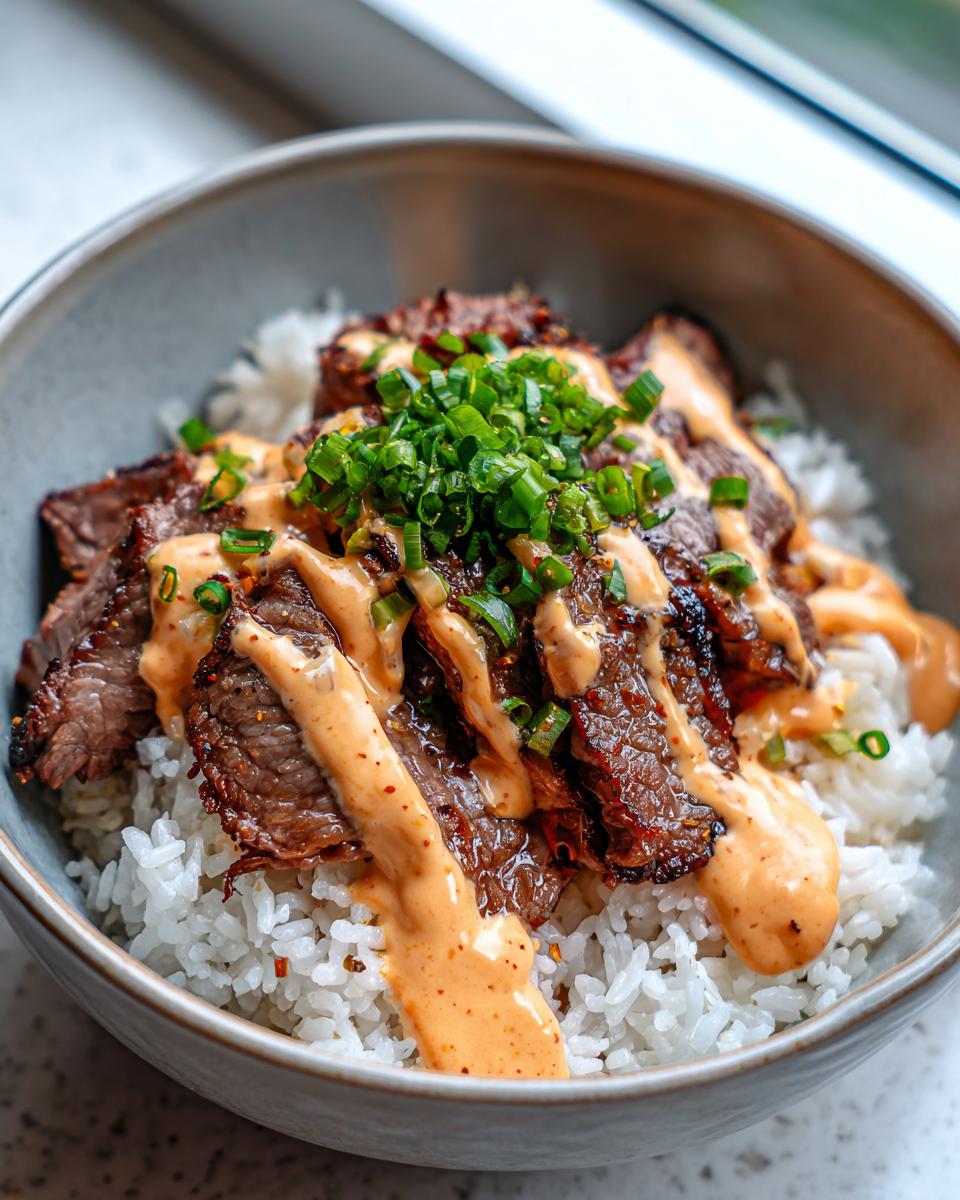
Oh, this is one of my favorite things to talk about! When plating these incredible Korean BBQ steak rice bowls, the final garnish really sells the experience. While that spicy cream sauce is the hero, you need visual appeal. My favorite trick to make it look like something you’d actually pay $18 for at a restaurant is adding a final, light sprinkle of toasted sesame seeds and some super finely sliced green onions right over the top before serving. It adds the professional touch and a little extra texture. That little bit of effort turns it into genuine homemade takeout!
If you’re ever curious about the science behind why ingredients behave the way they do in a recipe, you can always check out my Privacy Policy page for context on my approach to food science!
Sharing Your Korean BBQ Steak Rice Bowls Experience
Whew! I hope you’re ready to dig into these amazing Korean BBQ steak rice bowls. Honestly, seeing the comments and hearing about how this flavor combination worked for your family is what keeps me in the kitchen, testing and tweaking recipes like this one.
I put all my heart into making sure this rice bowl recipe is reliable, quick, and packed with flavor, but the best part is when I hear how you made it your own! Did you double the garlic in the marinade? Did you swap out the cucumber for something else? Don’t be shy!
Please take a moment to leave a rating below letting me know how your steak rice bowl turned out. And if you have any questions at all, or just want to tell me how much you loved that spicy cream sauce, you can always reach out to me directly through the contact page. Happy cooking, friends—I can’t wait to see what you create!
PrintKorean BBQ Steak Rice Bowls with Spicy Cream Sauce
Make quick Korean BBQ steak rice bowls featuring tender marinated steak over fluffy rice, topped with a simple gochujang mayo drizzle. This recipe is great for weeknight dinners or meal prep.
- Prep Time: 15 min
- Cook Time: 10 min
- Total Time: 25 min
- Yield: 4 servings 1x
- Category: Dinner
- Method: Stir-Frying
- Cuisine: Korean
- Diet: Low Fat
Ingredients
- 1 pound flank steak or sirloin, thinly sliced
- 1/4 cup soy sauce
- 2 tablespoons brown sugar
- 1 tablespoon sesame oil
- 1 tablespoon minced garlic
- 1 teaspoon grated fresh ginger
- 1/2 teaspoon black pepper
- 3 cups cooked white rice
- 1 cup shredded carrots (optional)
- 1 cup sliced cucumber (optional)
- For the Spicy Cream Sauce:
- 1/2 cup mayonnaise
- 2 tablespoons gochujang (Korean chili paste)
- 1 tablespoon rice vinegar
- 1 teaspoon honey
Instructions
- In a bowl, combine the soy sauce, brown sugar, sesame oil, garlic, ginger, and black pepper. Add the sliced steak and toss to coat. Marinate for at least 15 minutes, or up to 4 hours in the refrigerator.
- Prepare the Spicy Cream Sauce: In a small bowl, whisk together the mayonnaise, gochujang, rice vinegar, and honey until smooth. Set aside.
- Heat a large skillet or wok over medium-high heat. Add the marinated steak in a single layer (work in batches if necessary to avoid overcrowding). Cook for 2 to 3 minutes per side until browned and cooked through.
- Divide the cooked rice among four serving bowls.
- Top the rice with the cooked Korean BBQ steak. Arrange shredded carrots and sliced cucumber around the steak, if using.
- Drizzle the Spicy Cream Sauce generously over the steak and rice. Serve immediately.
Notes
- For meal prep, store the steak, rice, vegetables, and sauce in separate containers. Assemble just before eating.
- You can substitute the flank steak with thinly sliced sirloin or skirt steak.
- If you prefer less heat, start with one tablespoon of gochujang in the sauce.
Nutrition
- Serving Size: 1 bowl
- Calories: 550
- Sugar: 10
- Sodium: 950
- Fat: 25
- Saturated Fat: 4
- Unsaturated Fat: 21
- Trans Fat: 0
- Carbohydrates: 55
- Fiber: 2
- Protein: 30
- Cholesterol: 75