

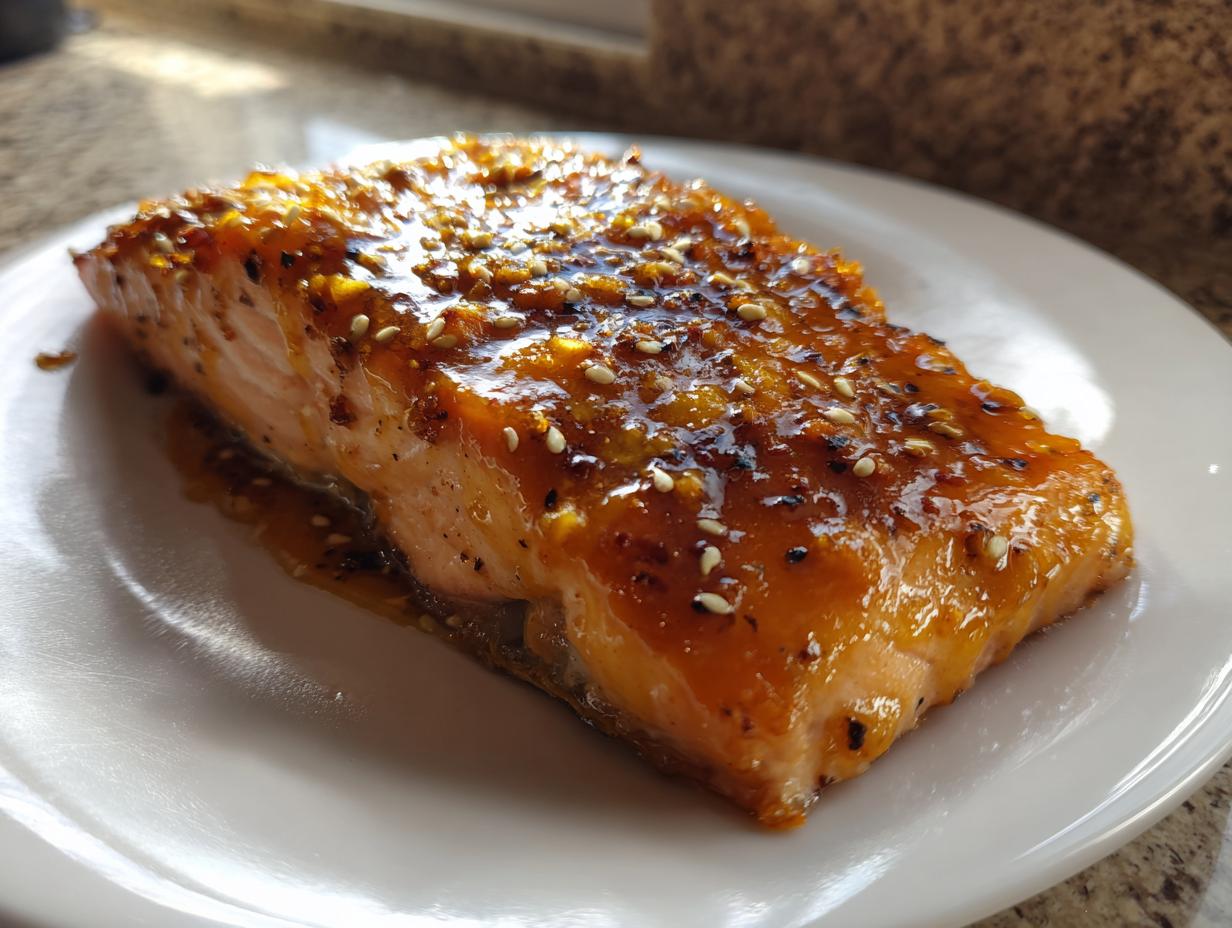
Listen, sometimes you just want that amazing, restaurant-quality flavor without having to wait 45 minutes for your dinner, right? Well, I’ve cracked the code on that sweet, savory, buttery goodness. This Texas Roadhouse Style Baked Salmon is hands-down the best baked salmon recipe you’ll ever need for a super fast weeknight meal. It’s juicy, it’s flaky, and that glaze? Unbelievable. Because of my background in both flavor creation and nutrition science, I can promise you—this recipe is tested, reliable, and hits every flavor note perfectly. You’re getting that indulgent taste, but it’s ready faster than you can decide what to serve with it!
- Why This Texas Roadhouse Style Baked Salmon is Your New Favorite Easy Salmon Dinner
- Gathering Ingredients for Your Glazed Salmon Recipe
- Step-by-Step Instructions for Perfect Oven Baked Fish
- Expert Tips for Restaurant Style Salmon at Home
- Variations on This Simple Baked Salmon Recipe
- Serving Suggestions for Your Salmon Meal
- Storage and Reheating Instructions for Salmon for Meal Prep
- Frequently Asked Questions About Quick Fish Recipes
- Nutritional Estimates for This Baked Salmon
- Share Your Experience Making This Salmon
Why This Texas Roadhouse Style Baked Salmon is Your New Favorite Easy Salmon Dinner
Seriously, I get why people order this style of salmon out—it tastes so rich! But you don’t need to dress up for a fancy night out to get this flavor anymore. This recipe proves you can have Restaurant Style Salmon at Home without breaking your budget or your schedule. It’s truly the best way to get tender fish on the table.
- You get that amazing caramelized, sweet and savory flavor that makes you think you spent all day cooking.
- Prep is practically nothing! We’re talking about throwing this together in minutes.
- Huge payoff for almost zero effort. That’s what I call a win!
Speed and Simplicity for Weeknights
If you’re looking for a good Simple Weeknight Seafood option, this is it. The best part? The total time from pulling the fish out of the fridge to serving it is right around 25 minutes—that’s why I call this my go-to 25 Minute Salmon solution. You can whip this up before your kids even finish their homework.
Achieving Flaky Salmon Fillets Every Time
My aim with any baked fish is maximum moisture, minimum fuss. The baking method here guarantees you end up with incredibly Moist Baked Salmon. The glaze seals in all the good stuff while baking, and the fish just flakes away perfectly with a fork. Honestly, if you’ve ever been nervous about cooking fish, this is the Salmon for Beginners recipe you need to try first.
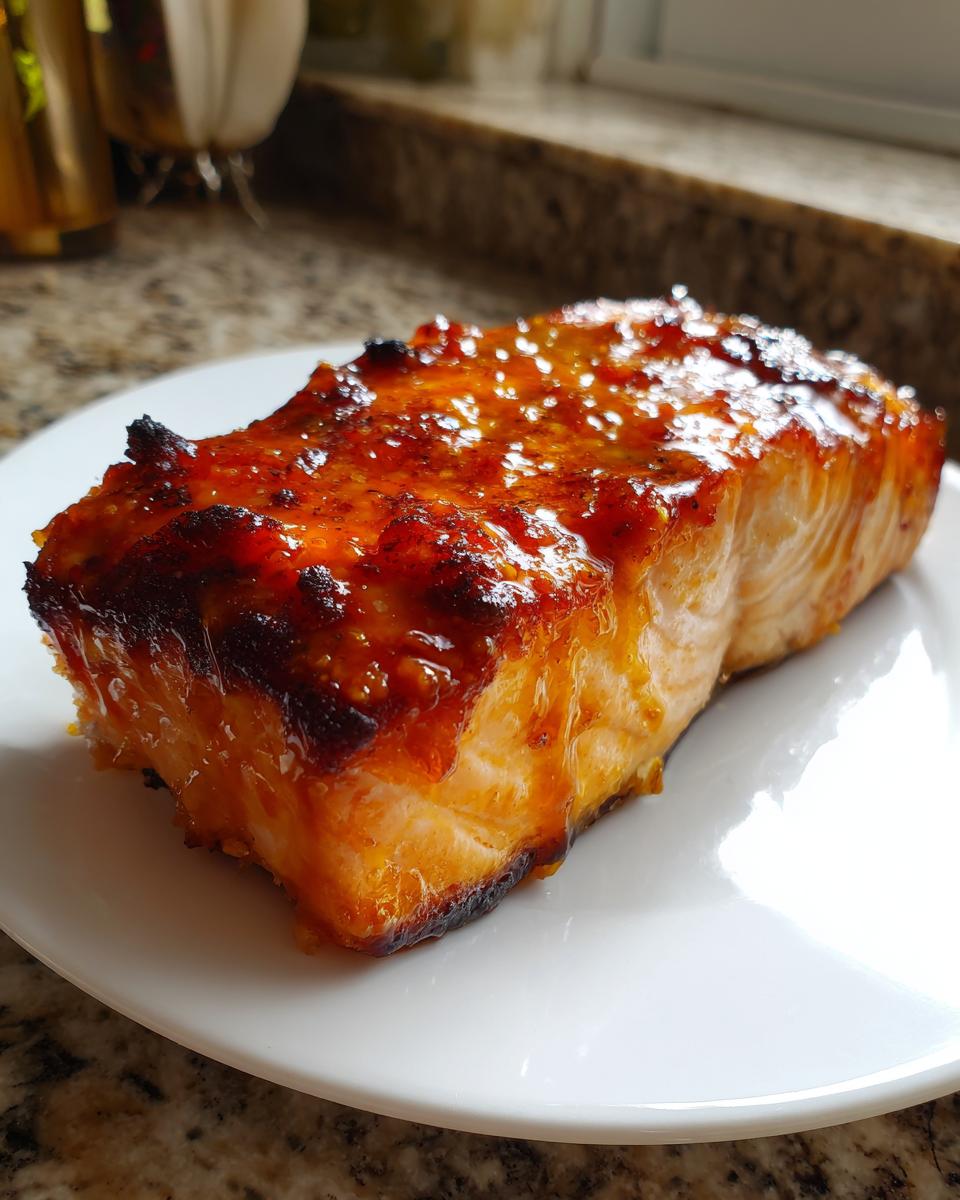
Gathering Ingredients for Your Glazed Salmon Recipe
Okay, let’s get everything ready! Cooking fast means having your mise en place all set before the oven even turns on. Don’t eyeball this part; specific amounts really help nail that signature sweet and savory flavor. This recipe uses just four simple components for seasoning the beautiful salmon fillets themselves, and then we mix up that incredible glaze base.
For the Seasoned Salmon Fillets
These are the basic flavor boosters that go right onto the fish before the glaze hits. You probably have everything in your spice drawer already!
- 4 (6 ounce) salmon fillets, skin on or off—your choice!
- 1 tablespoon olive oil
- 1 teaspoon salt
- 1/2 teaspoon black pepper
- 1/2 teaspoon garlic powder
- 1/4 teaspoon paprika
For the Sweet and Savory Salmon with Glaze
This is where the magic happens, folks. This combination of butter, honey, and tangy stuff is what makes it taste like it came straight from a steakhouse.
- 1/4 cup butter, melted (gotta be real butter!)
- 2 tablespoons honey
- 1 tablespoon Worcestershire sauce
- 1 teaspoon Dijon mustard
- 1 clove garlic, minced (make sure this is fresh, trust me!)
- 1/4 teaspoon onion powder
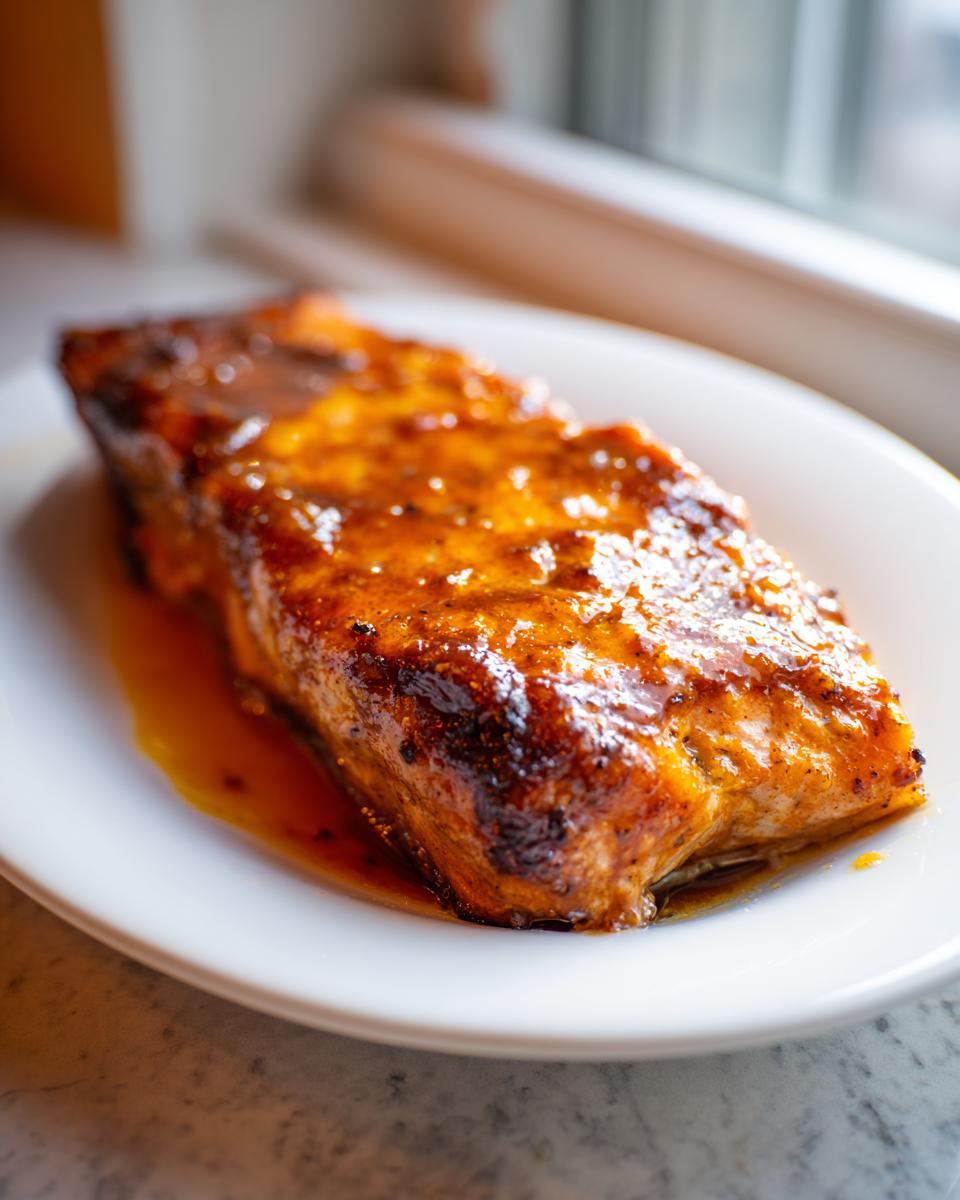
Step-by-Step Instructions for Perfect Oven Baked Fish
Time to get these beautiful salmon fillets into the heat! Remember, when you’re working quickly, prep is everything. Follow these steps exactly, and you’ll see why this method is fail-proof. We’re aiming for that signature texture that makes everything taste like you ordered it from a great spot. If you want the full breakdown straight from the source, you can check out the original notes on the technique right here.
Oven Preparation and Seasoning the Salmon
First things first: crank that oven up! You want it at 400 degrees Fahrenheit. Line your baking sheet—foil or parchment paper, whatever makes cleanup easiest for you. Now, take your salmon fillets and pat them really well with paper towels. Don’t skip this step; we need dry surfaces if we want any kind of texture! Brush them lightly with olive oil, then sprinkle everything—salt, pepper, garlic powder, and paprika—evenly across the top of your lovely salmon portions.
Creating and Applying the Glaze
While the oven is heating, whip up that glaze in a small bowl. Just dump the melted butter, honey, Worcestershire sauce, Dijon, minced garlic, and onion powder in there. Whisk it aggressively until it’s all one beautiful, syrupy mixture. You want it smooth so it spreads evenly. Then, using a little spoon, drizzle or brush that glorious topping right over the seasoned side of each fillet. Don’t be shy; we want a good coating for that caramelized finish!
Baking Time and Testing for Doneness
Slide that pan into the hot oven. Bake them for about 12 to 15 minutes. Now, listen, this is important: thickness matters! If your fillets are super thin, check them at 12 minutes. If they look really thick, give them the full 15. You are looking for an internal temperature of 145 degrees Fahrenheit, which is the safe zone. If you don’t have a thermometer, just take a fork and gently try to wiggle the center of the thickest piece. If it separates easily into flakes without fighting you, you’re done! That’s how you know you’ve got that perfect flaky salmon texture.
Expert Tips for Restaurant Style Salmon at Home
Okay, you’ve got the main bake down, but if you really want to turn this into a showstopper—the kind of meal that makes people ask for the recipe instantly—you need a couple of extra tricks up your sleeve. Because of my testing background, I love sharing ways to elevate a simple dish without adding any actual time to your cooking. These small adjustments guarantee that restaurant-quality shine!
Achieving Crispy Skin Salmon
If you bought your salmon with the skin on, please don’t waste it! The secret to truly Crispy Skin Salmon is simple: just put it skin-side down on the prepared pan and leave it alone! Do not flip it over during cooking. All that heat from the baking sheet will render the fat in the skin, making it beautifully crisp while keeping the flesh underneath super moist. It holds up great to the glaze, too!
The Broiler Finish for Extra Caramelization
For that beautiful, tacky, caramelized finish, try this: Once your fish looks perfectly cooked, turn your oven setting up to Broil (High). Slide the pan back onto the top rack—and I mean *watch* it like a hawk! The honey in the glaze can go from golden to black in about 60 seconds flat. Just give it 1 to 2 minutes until the glaze bubbles up and looks slightly candied. Pull it out right away, and that sweet crust will be unbeatable!
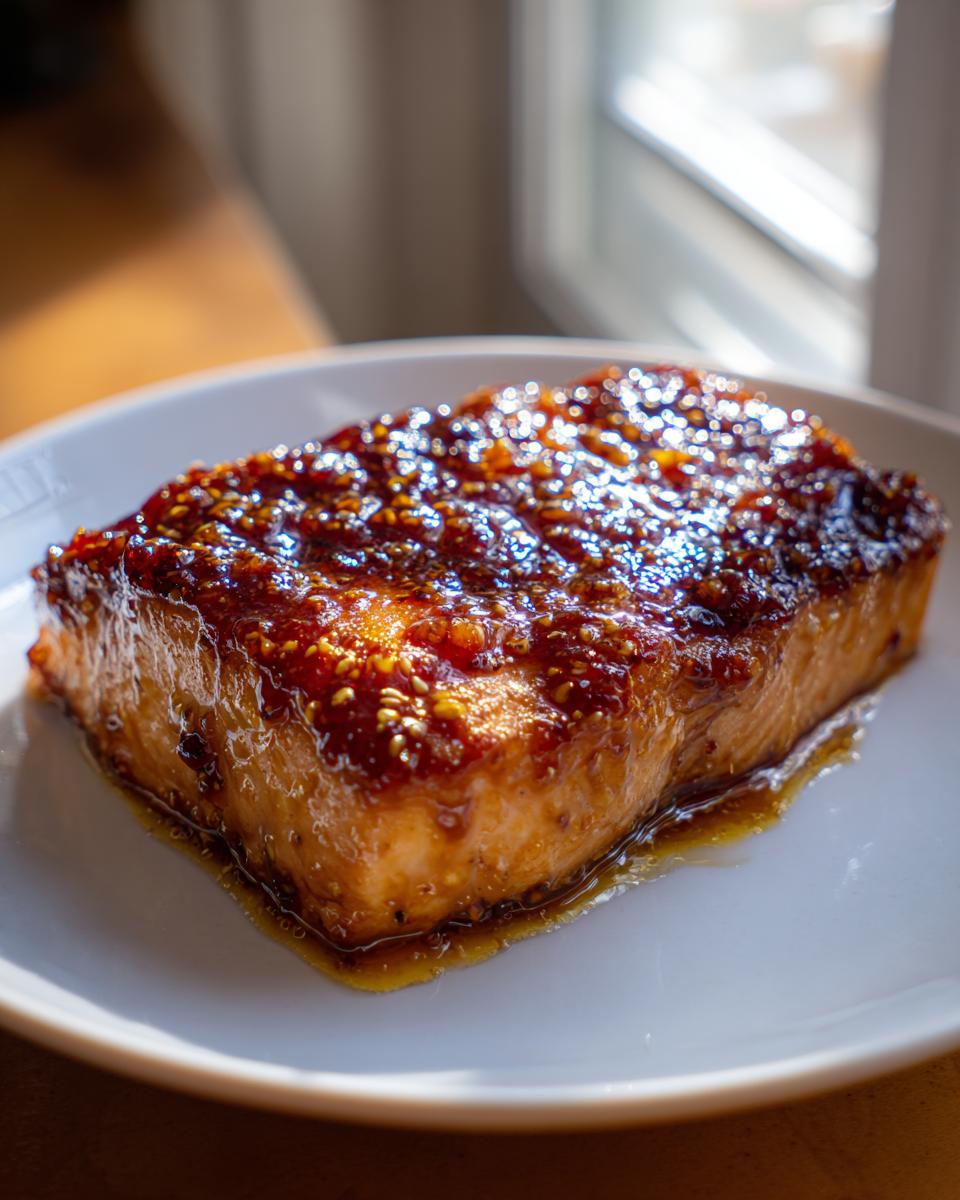
Variations on This Simple Baked Salmon Recipe
One thing I learned from my mom is that a great base recipe should be adaptable. You shouldn’t have to learn a completely new technique just because you’re craving something different one Tuesday night. This sweet and savory glaze is fantastic, but if you’re looking for something brighter or maybe something richer, we can totally switch things up!
It’s all about using what you have and knowing which flavors pair well with great fish. I love scrolling through new ideas, like looking at all the amazing things people do with fish over here, to get inspired for simple twists.
Switching to a Lemon Herb Salmon Profile
If you’re in the mood for something lighter, let’s kick that heavy glaze to the curb for a night and go super fresh! For a bright Lemon Herb Salmon profile, you just need to adjust your topping. Skip the honey and Worcestershire sauce entirely. Instead, mix up 1/4 cup of olive oil with the juice of one whole fresh lemon, about two teaspoons of finely chopped fresh dill, one teaspoon of parsley, and maybe double the minced garlic from the original glaze.
Drizzle that bright mixture over your seasoned fillets before baking. The acidity of the lemon acts to tenderize the fish just a bit more, giving you that zesty, clean flavor that screams coastal dinner!
Making a Rich Garlic Butter Salmon
Now, if you want to go the opposite direction—full-on indulgence—we can lean hard into the butter. This is how you get that decadent, creamy sauce over your flaky salmon fillets without actually making a heavy cream sauce that might overwhelm the fish. For an amazing Garlic Butter Salmon experience, keep the basic butter and minced garlic base, but swap the honey for just a teaspoon of brown sweetener (or skip it altogether).
What makes this twist pop? Add about two tablespoons of heavy cream right into that butter mixture before you pour it on. Better yet, add a splash of dry white wine—just a tablespoon or two—to the melting butter. That wine adds depth that simple recipes often miss right out of the oven!
Serving Suggestions for Your Salmon Meal
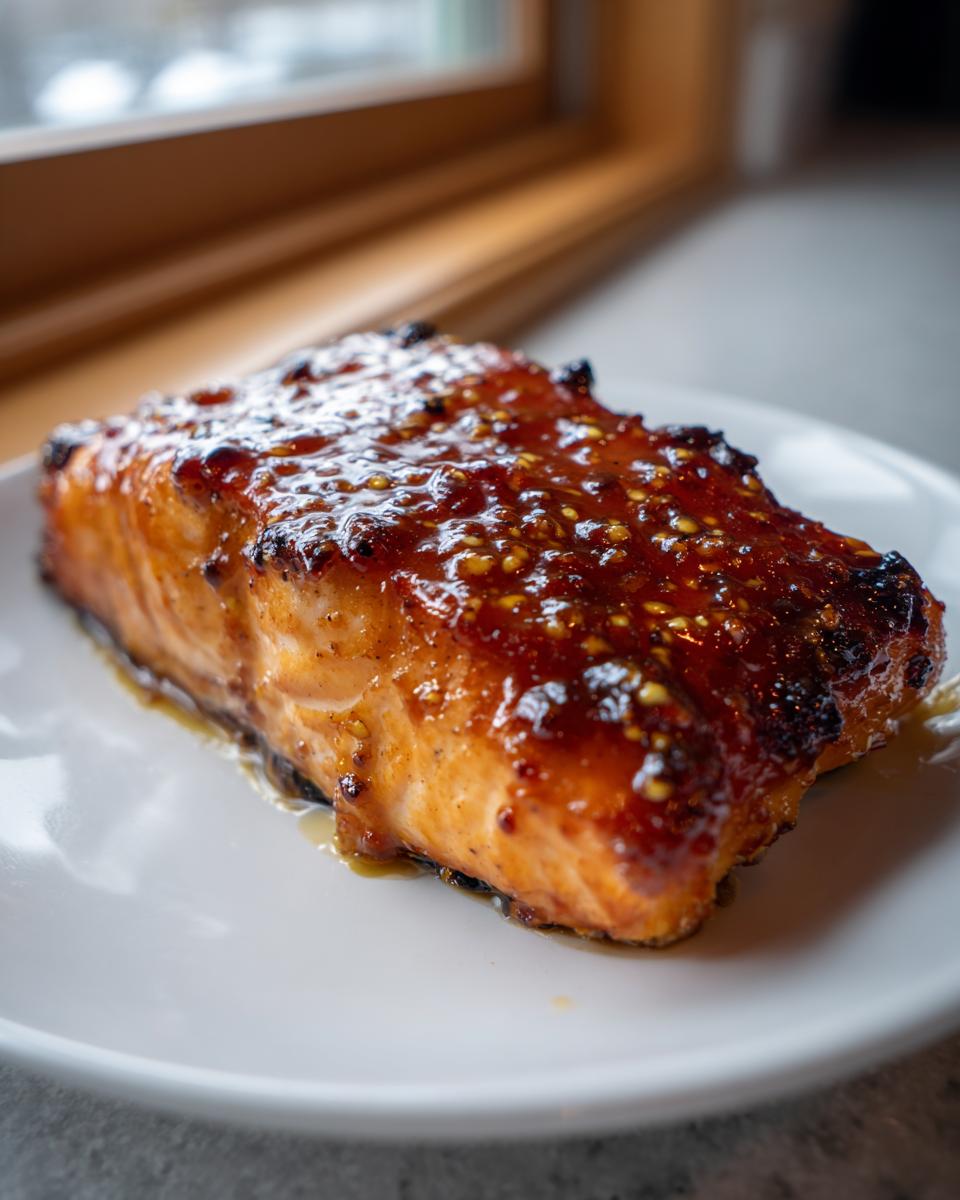
So you have this gorgeous, sweet, and savory glazed salmon sitting on your counter. Swoon! Now, what do we serve with it? You’ve got 25 minutes in this recipe category, so we should probably mention some quick sides, but this fish is so good it can stand up to a slightly nicer plate, too. This is definitely a Family Friendly Salmon meal that everyone at the table will clear their plates for!
Because the glaze has a bit of that smoky/sweet barbecue vibe going on, you want sides that anchor it with something creamy or something bright and green. Don’t ask me why, but this salmon just begs for creamy potatoes—it’s the steakhouse effect!
- Creamy Mashed Potatoes: Seriously, this is non-negotiable for me if I’m eating this. The sweet glaze running into soft, buttery mashed potatoes is heaven. If you’re in a rush, just grab the instant kind, I won’t tell anyone!
- Simple Roasted Asparagus: Toss asparagus spears with a little olive oil, salt, and pepper, and roast them right alongside the salmon for the last 10 minutes! It’s so easy and offers a nice, slightly bitter green contrast to the glaze.
- Steamed Green Beans with Lemon: If roasting space is tight, steaming is your friend. Right when they come off the heat, sprinkle them with a squeeze of fresh lemon juice. It cuts through the richness of the butter glaze beautifully.
- Quick Rice Pilaf: If you need something heartier than just greens, a simple rice pilaf (the kind you make in a box, no judgment!) works well to soak up any extra sauce left on the pan.
Whatever you choose, keep the sides straightforward so the incredible glazed salmon stays the star of the show!
Storage and Reheating Instructions for Salmon for Meal Prep
Okay, let’s talk leftovers, because this recipe is honestly almost better the next day! One of the wonderful things about this particular baked salmon is how well it holds up, making it a fantastic choice when you’re planning meals ahead. If you’re prepping for the week, I always recommend making one extra fillet—trust me, they vanish quickly.
When storing your portions, you want to keep them away from excess air to keep that lovely texture intact. I always use a good airtight container—glass ones are my favorite because they heat evenly, but any high-quality sealed container works just fine. You can safely keep these ready-to-eat salmon portions in the refrigerator for up to three days. Just make sure they are totally cooled down before you seal them up tight!
Reheating to Keep that Moisture
The biggest mistake people make with reheated fish is tossing it in the harsh, dry heat of the microwave for too long. That’s what makes your beautiful, moist baked salmon turn into rubbery disappointment! We don’t want that here.
If you must use the microwave, use low power in short 30-second bursts. Put a tiny splash of water or a pat of butter right on the side of the fillet before covering it with a paper towel. That steam is going to help reintroduce the moisture we are trying to preserve.
The Best Way: Oven or Skillet
For the absolute best texture—and this is how I reheat mine if I’m having it for lunch the next day—use gentle heat. If you have the time, wrap the portion loosely in foil and pop it back into a 300-degree Fahrenheit oven for about 8 to 10 minutes. It warms through beautifully without drying out the edges.
Alternatively, if you have a non-stick skillet handy, you can reheat it over medium-low heat with just a tiny bit of olive oil or butter. This helps crisp up the glaze layer slightly again, making it taste almost fresh-made. However you warm it up, the star power of this sweet and savory glaze stays strong!
Frequently Asked Questions About Quick Fish Recipes
I know when you’re trying out a new recipe, especially one that promises restaurant speed, you end up with a million little questions floating around in your head. I totally get it! That’s why I pulled together the most common things people ask me about getting this baked salmon just right. We want this to be easy, reliable, and delicious, always!
Can I use frozen salmon fillets for this recipe?
Oh, absolutely you can, but you can’t just throw the ice block straight onto the sheet pan! If you’re starting with frozen salmon, you need to thaw it properly first so it cooks evenly. Don’t just leave it on the counter, though! The best way, especially when you need this to be one of your easy salmon dinners, is to put the frozen fillets in a sealed bag and submerge that bag in cold water for about 30 minutes. Keep changing the water every 15 minutes until they are mostly thawed. Then, pat them super dry before seasoning and glazing. If you skip the drying part, that ice water residue will steam the fish instead of baking it!
What temperature should I cook salmon if my fillets are very thin?
This is key for maintaining that wonderfully flaky salmon fillet texture! If your fish is on the thinner side—say, less than half an inch thick—you want to keep the oven at 400 degrees Fahrenheit because we need the high heat to set the glaze quickly. But you must reduce the cooking time significantly. I’d start checking them right around the 8-minute mark, and they may even be done by 10 minutes maximum. If you leave thin fillets in close to 15 minutes, they’ll be dry, and that defeats the purpose of a great quick fish recipe!
Is this Texas Roadhouse Style Salmon recipe considered healthy?
That’s where my nutrition background really comes into play! Yes, overall, this is a fantastic, healthy salmon meal idea. Salmon is packed with incredible protein and those healthy omega-3 fats that our bodies love. The base preparation—the cooking method, the seasonings—is totally clean. Where you watch the numbers is purely in the glaze. Because we are using honey and butter, it registers higher in both sugar and saturated fat compared to, say, simple lemon-herb baked salmon. But for a treat that tastes like a splurge, it’s a wonderfully balanced meal when paired with green veggies, which is why I love it so much!
If you’re ever wondering about our commitment to safety and privacy regarding your recipe comments and data, you can always review our policy here. Happy cooking!
Nutritional Estimates for This Baked Salmon
Now, I know some of you are tracking macros or just curious about what exactly is in that beautiful, flavorful glazed salmon, and I totally get it! Because I studied Food Science, I always try to give you as honest a breakdown as possible. But hey, remember this is just an estimate based on the ingredients listed above—the way you serve it up (hello, big pile of mashed potatoes!) is going to change the final numbers!
This data is based on one serving (one 6-ounce fillet) of the seasoned and glazed salmon, without any side dishes added in. Think of this as the true baseline for your delicious Easy Salmon Dinner.
- Serving Size: 1 fillet
- Calories: 380
- Protein: 38g (That’s why salmon is my go-to!)
- Fat: 22g (The butter and oil contribute here, but oh so worth it for the flavor!)
- Saturated Fat: 10g
- Carbohydrates: 6g
- Sugar: 5g (Mostly from that gorgeous honey glaze we used)
- Sodium: 450mg
- Cholesterol: 105mg
The great thing about this recipe is how high the protein content is. It’s truly a satisfying and relatively quick way to get a fantastic, healthy meal on the table. If you need to lower the sodium or the fat content, you can always use half the butter in the glaze or skip adding extra salt to the fish itself. Happy cooking!
Share Your Experience Making This Salmon
Whew! Now that you’ve made this incredible, fast, and flavorful Texas Roadhouse Style Baked Salmon, I really, really want to know what you thought! Seriously, sharing what works for you and seeing your creations is the absolute highlight of my cooking journey. It helps me know that the reliability I strive for in my recipes translates perfectly into your kitchen.
Did you leave it simple, or did you try one of those garlic butter variations? Did the glaze get perfectly caramelized under the broiler? Don’t be shy! Head down to the comments section below and leave a quick rating for the recipe—even if it’s just one star for “too delicious, I ate it all before I could take a picture!”
If you shared your masterpiece on Instagram or Facebook, please tag me! I always try to hop around and see how you styled your healthy salmon meal ideas. It helps build our community here. If you have any questions at all about technique or need help troubleshooting, feel free to send a message through my contact page; I love hearing from home cooks!
PrintEasy Texas Roadhouse Style Baked Salmon
Make restaurant-quality Texas Roadhouse Style Baked Salmon at home. This simple recipe delivers a sweet and savory glazed, flaky salmon fillet quickly, perfect for a weeknight dinner.
- Prep Time: 10 min
- Cook Time: 15 min
- Total Time: 25 min
- Yield: 4 servings 1x
- Category: Dinner
- Method: Baking
- Cuisine: American
- Diet: Low Fat
Ingredients
- 4 (6 ounce) salmon fillets, skin on or off
- 1 tablespoon olive oil
- 1 teaspoon salt
- 1/2 teaspoon black pepper
- 1/2 teaspoon garlic powder
- 1/4 teaspoon paprika
- For the Glaze:
- 1/4 cup butter, melted
- 2 tablespoons honey
- 1 tablespoon Worcestershire sauce
- 1 teaspoon Dijon mustard
- 1 clove garlic, minced
- 1/4 teaspoon onion powder
Instructions
- Preheat your oven to 400 degrees Fahrenheit (200 degrees Celsius). Line a baking sheet with parchment paper or aluminum foil for easy cleanup.
- Pat the salmon fillets dry with paper towels. Place them on the prepared baking sheet.
- Brush the tops of the salmon lightly with olive oil. Season evenly with salt, pepper, garlic powder, and paprika.
- Prepare the glaze: In a small bowl, whisk together the melted butter, honey, Worcestershire sauce, Dijon mustard, minced garlic, and onion powder until fully combined.
- Spoon the glaze mixture evenly over the top of each salmon fillet.
- Bake for 12 to 15 minutes, or until the salmon flakes easily with a fork and reaches an internal temperature of 145 degrees Fahrenheit. Cooking time depends on the thickness of your fillets.
- Serve immediately. This is a great opportunity to serve with mashed potatoes or roasted vegetables.
Notes
- For extra flavor and a crispier top, you can briefly place the salmon under the broiler for the last 1-2 minutes, watching closely to prevent burning the glaze.
- If you want crispy skin salmon, place the fillets skin-side down and bake without flipping.
- This recipe is excellent for meal prep; store leftovers in an airtight container in the refrigerator for up to 3 days.
Nutrition
- Serving Size: 1 fillet
- Calories: 380
- Sugar: 5
- Sodium: 450
- Fat: 22
- Saturated Fat: 10
- Unsaturated Fat: 12
- Trans Fat: 0
- Carbohydrates: 6
- Fiber: 0
- Protein: 38
- Cholesterol: 105