

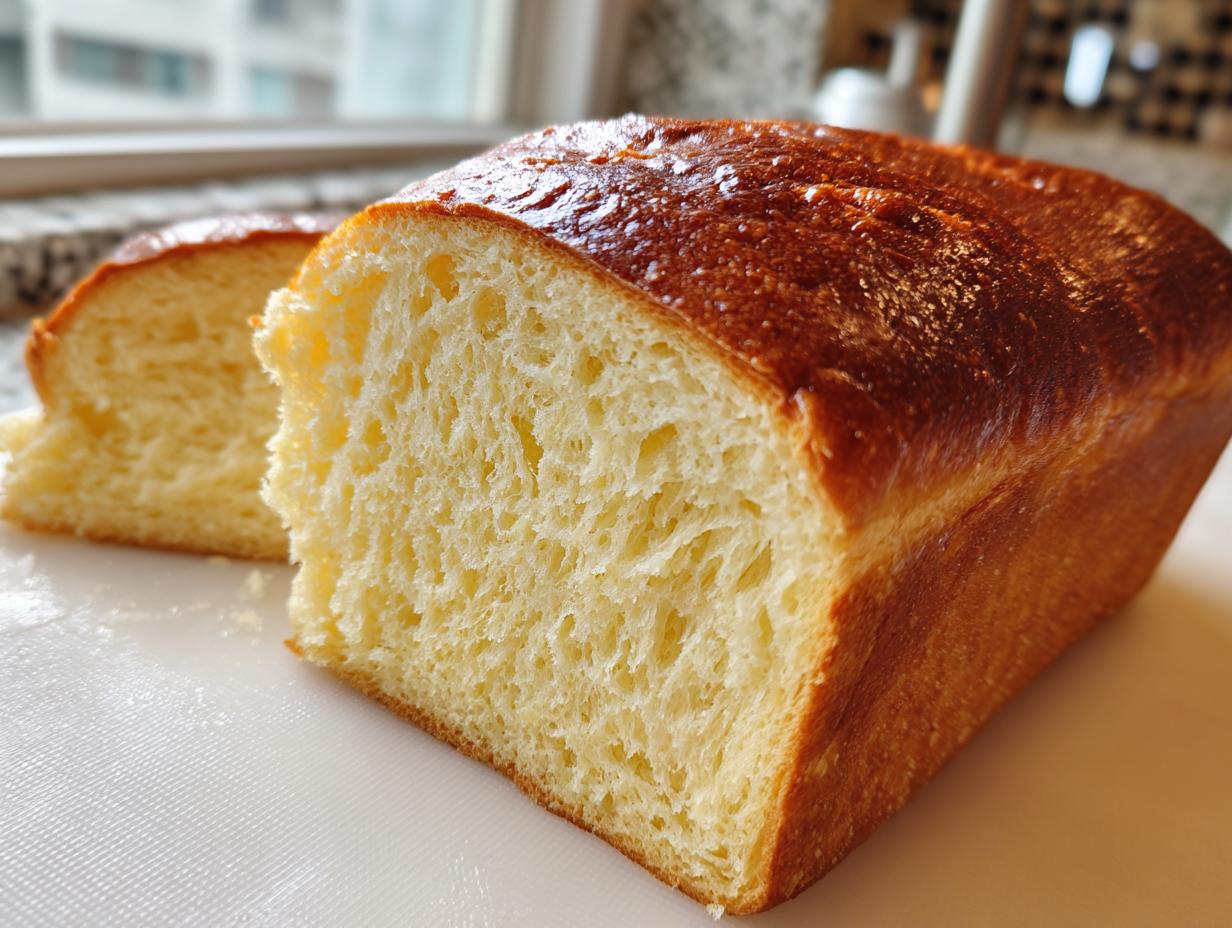
If you’ve ever walked into a Japanese bakery and felt the sheer magic of holding a loaf of bread that feels like a cloud—that’s the dream we’re chasing today! Forget dense, everyday white bread; making actual, unbelievably soft loaves at home is totally possible. I’m thrilled to share The Ultimate Foolproof Tangzhong Japanese Milk Bread (Shokupan) recipe with you. My goal here is simple: unlock that signature pillowy, cloud-like texture that people think only professionals can achieve. After years of testing dough structures back in my food science days, I promise this technique works, delivering consistent, beautiful results every single time you bake this japanese milk bread.
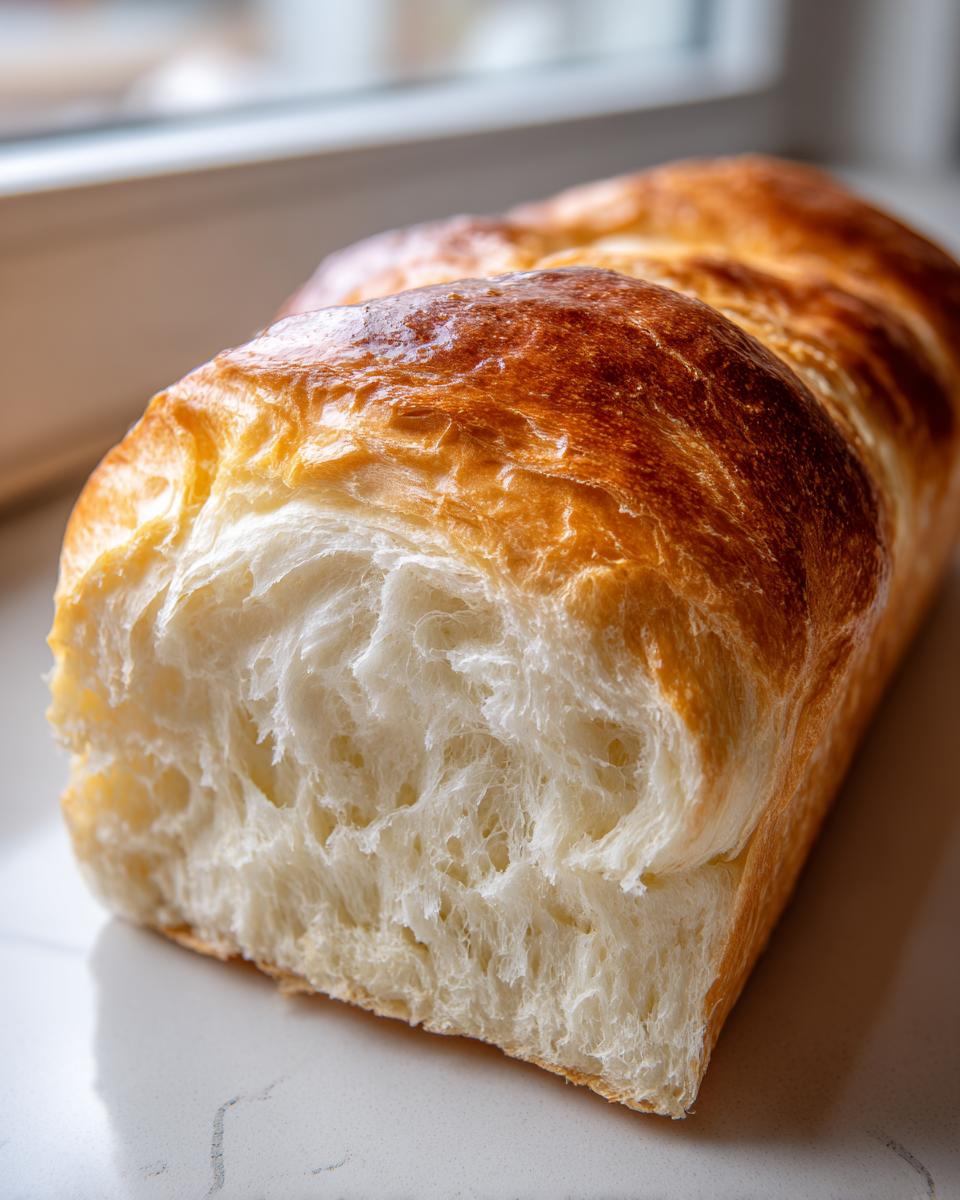
- Why This Tangzhong Japanese Milk Bread Recipe Delivers Softest Fluffy Bread Results
- Gathering Ingredients for Your Homemade Milk Bread Loaf
- Step-by-Step Tangzhong Bread Tutorial: How to Make Milk Bread
- Baking and Cooling Your Ultimate Japanese Milk Bread Loaf
- Tips for Success: Mastering the Hokkaido Milk Bread Technique
- Serving Suggestions for Japanese Sandwich Bread
- Storage and Reheating Instructions for Longer Lasting Fresh Bread
- Frequently Asked Questions About Making Japanese Milk Bread
- Share Your Softest Fluffy Bread Creations
Why This Tangzhong Japanese Milk Bread Recipe Delivers Softest Fluffy Bread Results
You might wonder why we bother with the extra step of making a paste for this japanese milk bread when other recipes just mix everything together. Trust me, this is where the magic happens, and it’s why you won’t go back to your old white bread recipe!
- It creates an unbelievably soft, cloud-like interior structure that’s hard to match.
- This method is the secret to achieving longer lasting fresh bread; it stays moist for days!
- We get that signature springy texture often seen only in professional Asian bakeries.
For a sneak peek into how this sorcery works, you can check out this great explanation of the process! Master Japanese Milk Bread: The Tangzhong Secret to Fluffy Shokupan
The Science Behind the Pillowy Soft Loaf Recipe
Okay, so Tangzhong? It’s just gelatinized flour—we cook a bit of the flour and liquid together until it turns into a thick paste. What that paste does is incredible; it locks in moisture like crazy! Think of it as trapping spoonfuls of water inside the flour structure, which means water doesn’t evaporate while baking. That’s exactly what gives you that heavenly, super-moist, pillowy soft loaf recipe we’re after. It’s pure, simple food science making your baking better!
Gathering Ingredients for Your Homemade Milk Bread Loaf
Getting ready to bake this amazing japanese milk bread starts with having all your components ready. Because we are using the Tangzhong method, we need a small batch just for the paste first! Remember my rule: precision here pays off later with that perfect fluff.
- 60g Bread Flour (for Tangzhong)
- 60ml Water (for Tangzhong)
- 250g Bread Flour (for Dough)
- 50g Granulated Sugar
- 1 teaspoon Instant Dry Yeast
- 1/2 teaspoon Salt
- 40g Whole Milk (must be cold!)
- 40g Heavy Cream (make sure this is cold, too!)
- 1 large Egg (cold)
- 30g Unsalted Butter (softened to room temperature)
Ingredient Notes and Substitutions for Japanese Milk Bread
Look, you absolutely need Bread Flour here. It has the protein content necessary to create those awesome gluten networks that give you that stretch. Don’t try all-purpose flour if you want that true bakery result!
Also, if you’re intimidated by the Tangzhong paste, remember the recipe notes mentioned the Yudane method. It works similarly, but instead of cooking the flour with cold water, you use boiling water. It’s a little different but still gives you incredible moisture for your Shokupan recipe.
Step-by-Step Tangzhong Bread Tutorial: How to Make Milk Bread
This is the part where we turn simple ingredients into that incredible dough structure! Getting the execution right here is everything when you’re learning how to make milk bread. While the technique seems fussy, if you follow this order, you’ll nail that airy texture needed for the perfect japanese milk bread. Don’t rush the cooling step, or you’ll melt your butter later! For an idea of what you’re aiming for, take a look at inspiring results from fellow bakers here: Soft Japanese Milk Bread.
Creating the Tangzhong Paste
First up, we make that magic starter! Whisk the small amounts of flour and water together in a little saucepan until there are zero lumps. Now, cook it gently over low heat, stirring constantly—don’t walk away! You know it’s ready when it thickens up and looks like a really stiff pudding or paste. Take it off the heat right away. Crucially, you must cover the surface directly with plastic wrap so a dry skin doesn’t form while it cools down completely. I usually stick mine in the fridge to speed this up!
Mixing and Kneading the Dough for Japanese Bakery Bread at Home
Once that paste is cool, we move to the main dough, usually with a stand mixer fitted with the hook attachment. Start by mixing all the dry items—the main flour, sugar, yeast, and salt—just briefly on low. Next, add all your cold liquids: the milk, cream, and the egg. Once that’s incorporated into a shaggy mess, bring in that cooled Tangzhong paste and mix until it’s combined into one blob. Now, add the softened butter, a little bit at a time, waiting for it to absorb before adding the next piece. We knead this on medium-low speed for a good 10 minutes total until the dough is super smooth and elastic. You need it to pass the windowpane test for this Shokupan recipe! You can see some stunning examples of this process in action over here: Perfect Japanese Milk Bread Recipe: Soft, Fluffy & Easy to Make.
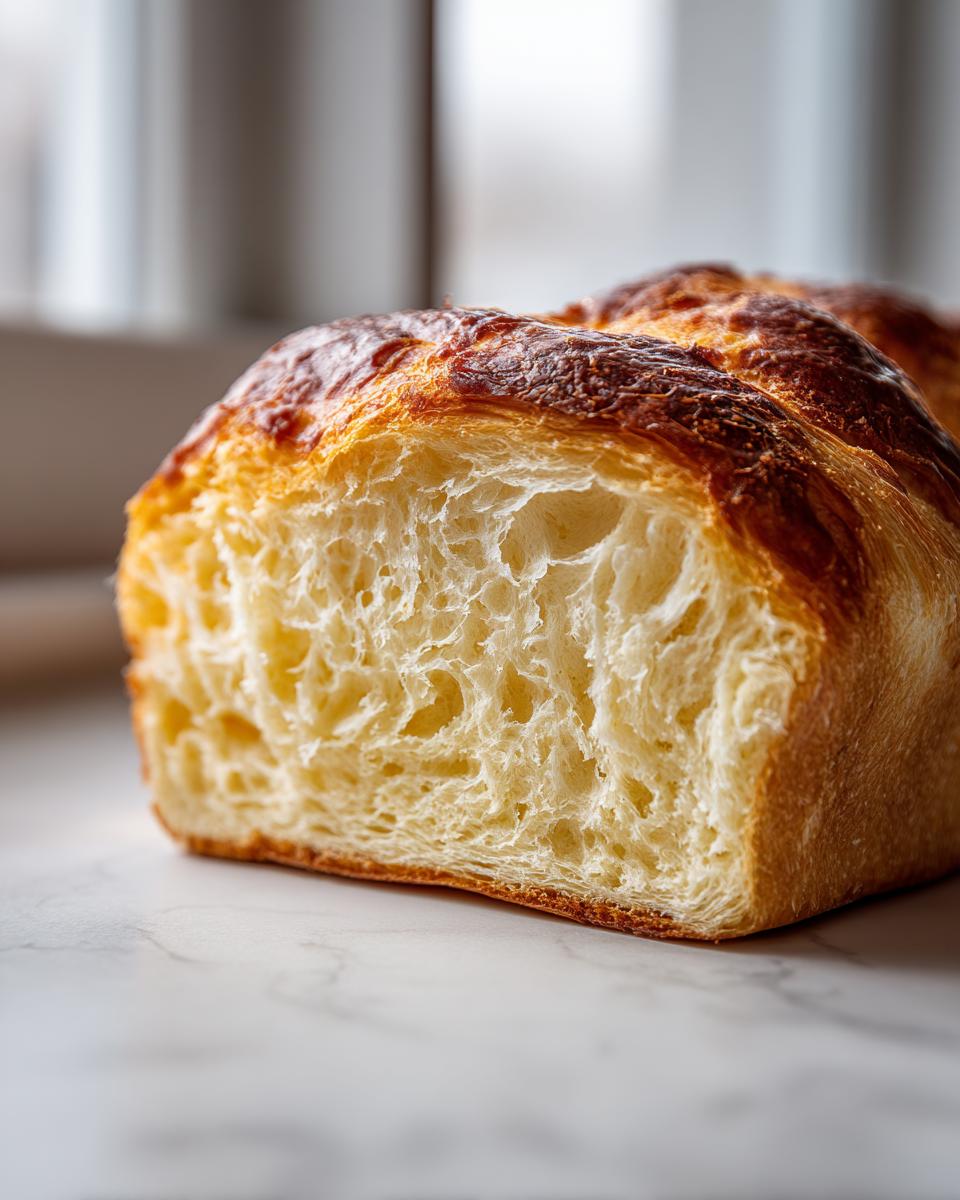
Proofing and Shaping Your Pillowy Soft Loaf Recipe
After kneading, we let the dough rest until it doubles, usually about an hour in a warm spot. Then, gently punch it down! Divide that lovely dough into three equal chunks. This next bit is vital for the classic look: roll each piece into a tight little log, and then place those three logs side-by-side in your greased 9×5 inch loaf pan. Cover it loosely and let it do its second rise until it mounds about an inch over the top of the pan. Preheat your oven to 350°F (175°C) during the last 15 minutes of this final proof so it’s ready to go!
Baking and Cooling Your Ultimate Japanese Milk Bread Loaf
Finally, it’s time for the oven! We bake this beautiful japanese milk bread at 350°F (175°C) for about 30 to 35 minutes. If you notice the top getting too dark before the center is done, don’t panic! Just lightly tent the loaf pan with some aluminum foil—that’s my little trick to prevent a burnt crust while the inside catches up. You want the internal temperature to hit 200°F (93°C).
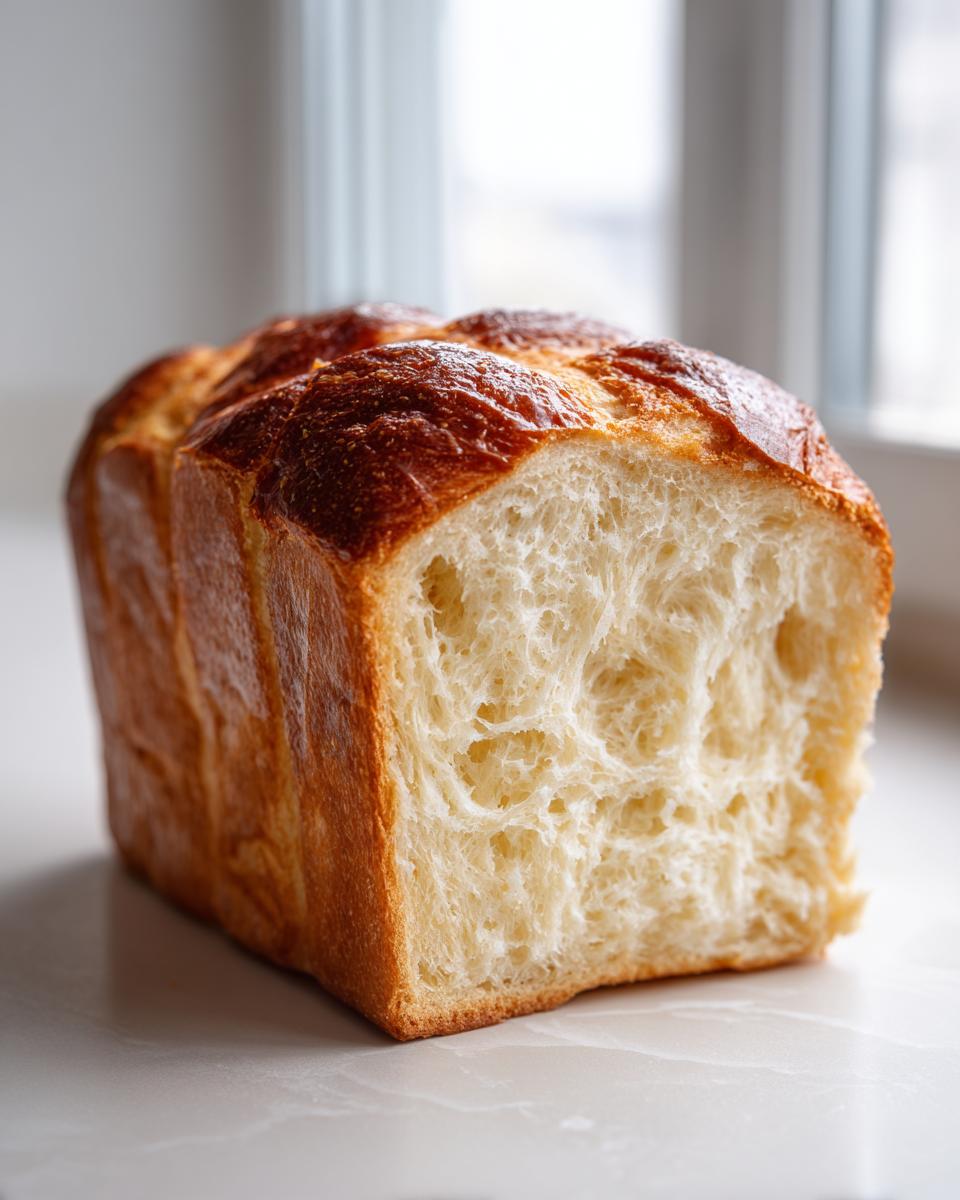
The second that timer goes off, you must get that loaf out of the pan immediately. If you leave it in the hot pan, it’ll steam itself right underneath and get gummy! Turn it out onto a wire rack and let it cool completely before slicing. Trust me, letting it cool properly is the final step that locks in that amazing fluffy texture.
Tips for Success: Mastering the Hokkaido Milk Bread Technique
Even with a foolproof recipe, sometimes the dough throws a little tantrum! Getting that perfect Hokkaido milk bread technique down means knowing how to troubleshoot. Before you bake, remember that extra shiny top? If you want that beautiful bakery sheen, brush the top of the loaf with a quick mix of one egg yolk and a tiny splash of water right before it goes into the oven. It makes such a difference!
If you ever find yourself struggling to get that amazing rise, you might need to check your yeast—make sure it’s fresh because old yeast won’t produce the gas needed for the lift. For a different take on crusty breads, you can see my ideas for Easy Crusty Italian Bread, but for this soft loaf, the process is all about gentle handling.
Troubleshooting Common Japanese Milk Bread Issues
Did your dough feel slimy or just not come together? That’s often under-kneading; the gluten structure didn’t form well enough to hold the gas. Also, if the dough resists rising, check the temperature of your liquids when you first mixed them; remember, we want cold for the dough phase to keep the yeast slow until the first proof!
Serving Suggestions for Japanese Sandwich Bread
Now that you have created the world’s softest loaf, how do you even decide to eat it first? That pillowy interior is truly perfect for anything! It’s sturdy enough to handle fillings, making it the ultimate Japanese sandwich bread—your tuna salad or simple ham and cheese will taste gourmet.
Honestly, I usually just grab a thick slice when it’s cooled, slather it with some high-quality butter, and stand over the counter eating it. It’s also heavenly when lightly toasted with a little jam. The mild sweetness really shines through when you hear that gentle crunch giving way to the soft middle!
Storage and Reheating Instructions for Longer Lasting Fresh Bread
One of the best parts of using the Tangzhong method is that this homemade milk bread loaf stays fluffy for days! Don’t keep it in the fridge; that zaps the moisture right out. You need to wrap it very tightly, either in plastic wrap or in a reusable bread bag, and keep it stored at room temperature. If it loses a tiny bit of its springiness after day two, just wrap a slice loosely in a paper towel and zap it for 10 seconds. It comes right back to life! For more moisturizing recipes, check out my Easy Moist Pumpkin Bread.
This bread keeps its tenderness so well that you might not even need to reheat it, but if you do, a quick warm-up brings back that fresh-from-the-oven scent we all love. You can find another great recipe that focuses on long-lasting freshness here: Shokupan – Japanese Milk Bread 🍞.
Frequently Asked Questions About Making Japanese Milk Bread
I know tackling a technical bread like this can bring up a lot of questions, especially if you’re a beginner Japanese bread baking enthusiast. Don’t worry, I’ve collected the ones I hear most often! If you’re wondering about the difficulty or the final flavor, I’ve got you covered. You can always learn more about my baking philosophy on my About Page, too!
Can I skip the Tangzhong method in this Shokupan recipe?
You technically *can*, but I truly wouldn’t recommend it if you want true Shokupan recipe success! If you skip the Tangzhong, you won’t trap the moisture the same way, and the bread will end up much closer to a standard sweet white bread. It will still be fine for toast, but you’ll completely miss out on that signature, melt-in-your-mouth, cloud-like sensation that makes this the best homemade white bread!
Is Japanese Milk Bread supposed to taste very sweet?
That’s a great question! Compared to some dinner rolls, no, this Asian sweet bread recipe isn’t overly sweet. We use sugar for yeast food and flavor balance, but the sweetness is subtle. It’s just enough to complement the milky richness. Most people find it perfect for both savory sandwiches and sweet spreads.
Is it hard to learn the Yudane method versus Tangzhong?
Not at all! If you find heating the Tangzhong paste over the stove too nerve-wracking, the Yudane method is a fantastic backup. As I mentioned in the notes, Yudane uses boiling water poured directly over the flour, essentially cooking it instantly. Both achieve extreme moisture retention for that amazing pillowy soft loaf recipe!
Share Your Softest Fluffy Bread Creations
Wow, you actually did it! I sincerely hope your kitchen now smells like the absolute dreamiest Japanese bakery. Now that you’ve mastered this technique, I’m dying to see what you made! Please, if you loved the results and achieved that bakery-style fluff, take a moment to score this recipe 5 stars near the top of the page.
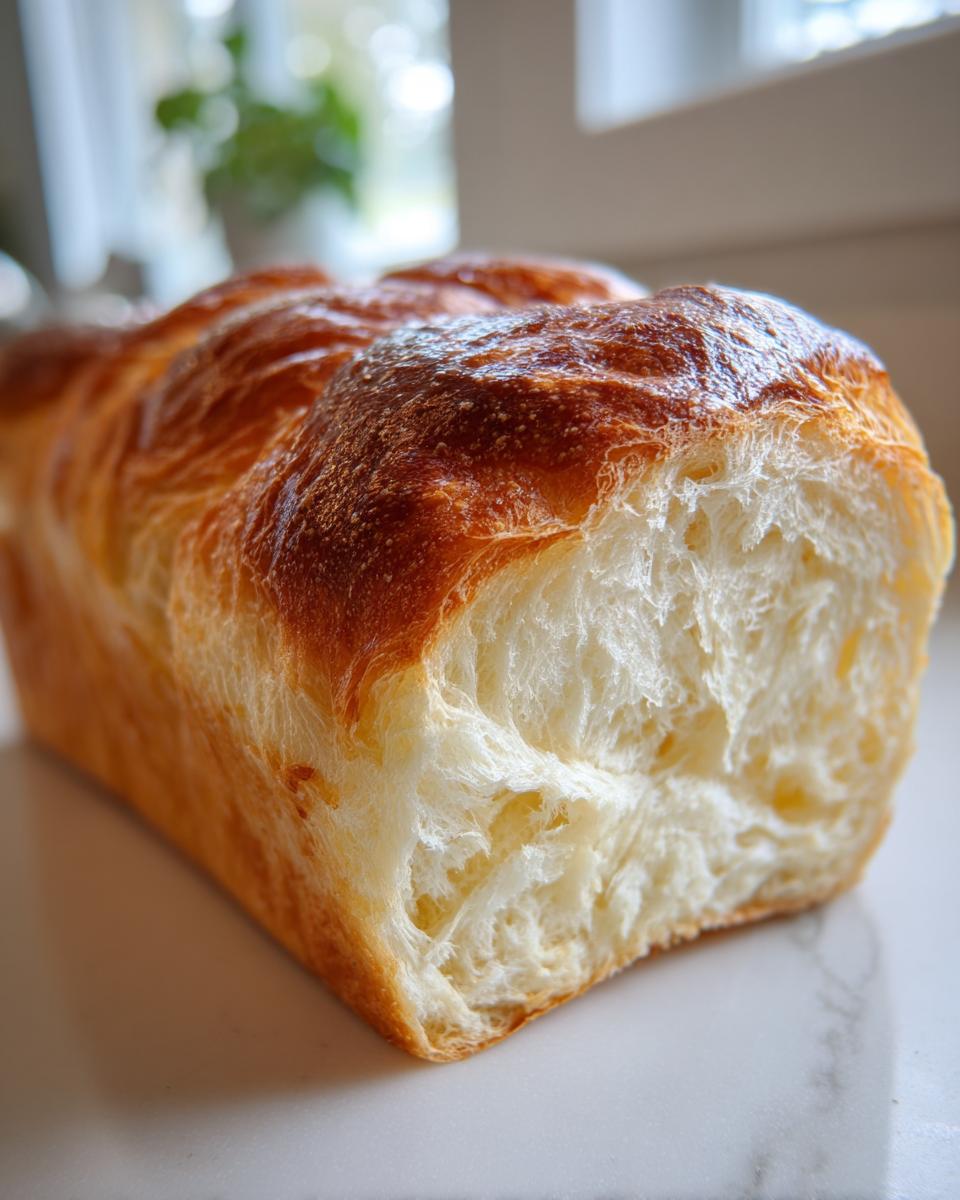
I want to see those gorgeous pull-apart layers! Snap a picture of your finished softest fluffy bread and tag me on social media—I love reposting your successes. The biggest compliment you can give me is sharing how your first attempt at making this japanese milk bread turned out. Did you slice it while slightly warm? Did you use it for killer toast?
Drop all your thoughts, questions, or little triumphant notes in the comment section below. It truly means the world to me that you trusted this recipe, and learning about your experience helps me continue to make the best guides here at Cooking by Mia. If you have any lingering questions, don’t hesitate to reach out via my contact page!
PrintThe Ultimate Foolproof Tangzhong Japanese Milk Bread (Shokupan)
Make bakery-soft, fluffy Japanese Milk Bread at home using the Tangzhong method. This recipe guarantees a pillowy texture that stays fresh for days, perfect for toast or sandwiches.
- Prep Time: 45 min
- Cook Time: 35 min
- Total Time: 3 hr 20 min
- Yield: 1 loaf 1x
- Category: Baking
- Method: Baking
- Cuisine: Japanese
- Diet: Vegetarian
Ingredients
- 60g Bread Flour (for Tangzhong)
- 60ml Water (for Tangzhong)
- 250g Bread Flour (for Dough)
- 50g Granulated Sugar
- 1 teaspoon Instant Dry Yeast
- 1/2 teaspoon Salt
- 40g Whole Milk (cold)
- 40g Heavy Cream (cold)
- 1 large Egg (cold)
- 30g Unsalted Butter (softened)
Instructions
- Make the Tangzhong: Whisk the 60g bread flour and 60ml water in a small saucepan until smooth. Heat over medium-low heat, stirring constantly, until the mixture thickens significantly, reaching about 140°F (60°C). It should look like a thick paste. Remove from heat, cover the surface with plastic wrap touching the paste, and let it cool completely.
- Combine Dry Ingredients: In the bowl of a stand mixer fitted with the dough hook, combine the 250g bread flour, sugar, yeast, and salt. Mix briefly on low speed.
- Add Wet Ingredients: Add the cold milk, cold heavy cream, and cold egg to the dry ingredients. Mix on low speed until a shaggy dough forms.
- Incorporate Tangzhong: Add the cooled Tangzhong paste to the dough mixture. Mix on low speed until it is incorporated, then increase the speed to medium-low.
- Knead: Knead for 5 to 7 minutes until the dough starts to come together and pulls away from the sides of the bowl.
- Add Butter: Add the softened butter, one piece at a time, mixing until fully incorporated before adding the next piece. Continue kneading on medium-low speed for another 8 to 10 minutes until the dough is smooth, elastic, and passes the windowpane test.
- First Proof: Place the dough in a lightly oiled bowl, turning to coat. Cover and let it rise in a warm place until doubled in size, about 1 to 1.5 hours.
- Shape the Loaf: Gently deflate the dough. Divide it into three equal pieces. Roll each piece into a tight log. Place the three logs side-by-side in a greased 9×5 inch loaf pan.
- Second Proof: Cover the loaf pan loosely and let it rise again in a warm place for 45 to 60 minutes, or until the dough has risen about 1 inch above the rim of the pan. Preheat your oven to 350°F (175°C) during the last 15 minutes of the rise.
- Bake: Bake for 30 to 35 minutes, or until the top is golden brown and the internal temperature reaches 200°F (93°C). If the top browns too quickly, lightly tent it with foil.
- Cool: Immediately remove the bread from the pan and cool completely on a wire rack before slicing.
Notes
- For an extra glossy crust, brush the top of the loaf with a mixture of 1 egg yolk beaten with 1 teaspoon of water just before baking.
- This bread stays soft for several days when stored tightly wrapped at room temperature.
- If you prefer the Yudane method, use 60g flour and 75ml boiling water for the paste instead of the Tangzhong liquid measurement.
Nutrition
- Serving Size: 1 slice
- Calories: 180
- Sugar: 7
- Sodium: 150
- Fat: 5
- Saturated Fat: 3
- Unsaturated Fat: 2
- Trans Fat: 0
- Carbohydrates: 28
- Fiber: 1
- Protein: 5
- Cholesterol: 25