

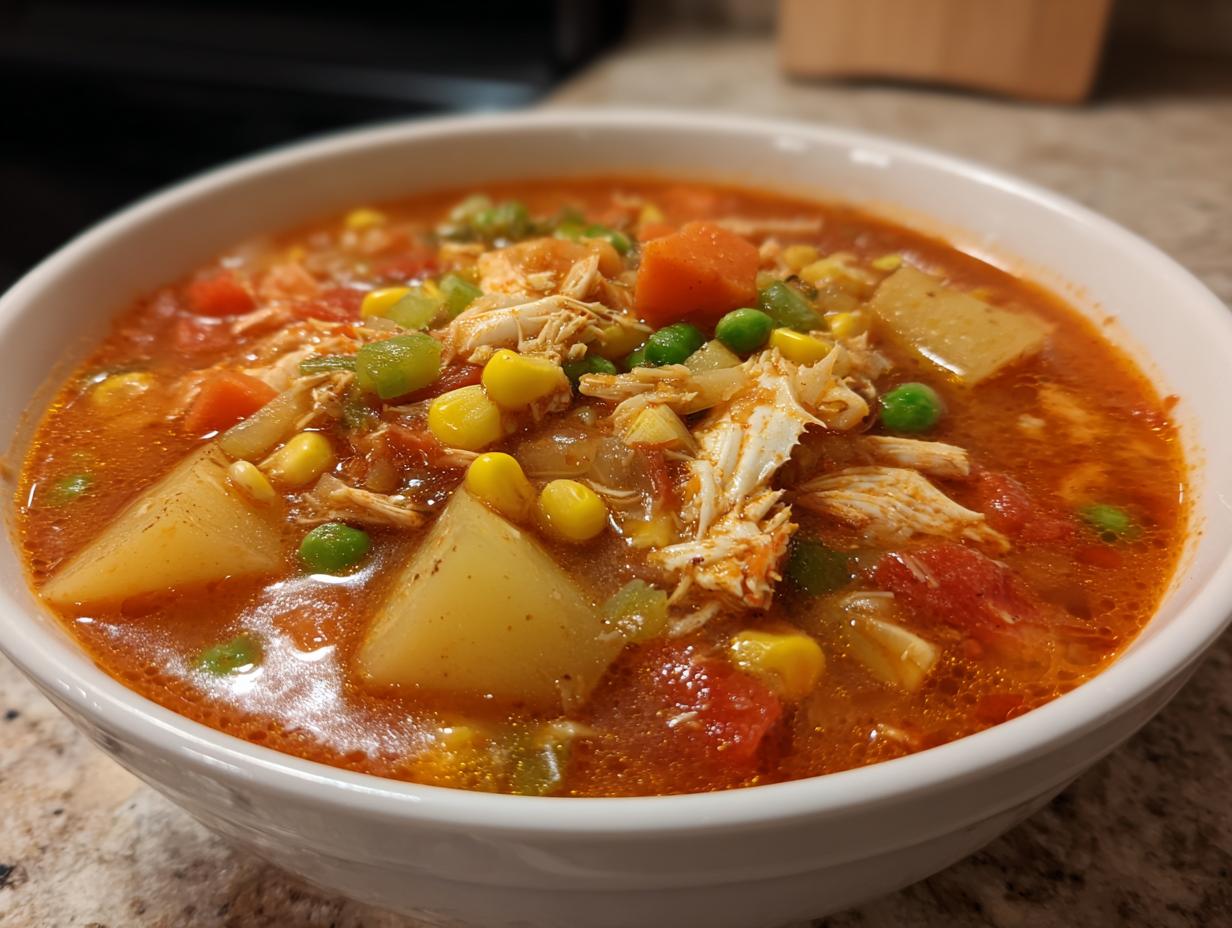
When that coastal chill hits, you just crave that unmistakable taste of the Chesapeake, right? For me, nothing says ‘home’ quite like a steaming bowl of authentic maryland crab soup. Forget those heavy, creamy chowders you sometimes see—we’re going straight for the traditional, savory, tomato-based champion that layers vegetables and tender blue crab. This recipe isn’t just a list of directions; it’s a piece of my culinary heritage, connecting back to the pure flavors I learned to respect growing up. Trust me, honoring that classic broth foundation is where the real magic happens.
- Why This Authentic Maryland Crab Soup Recipe Works (Expert Tips)
- Essential Ingredients for True Maryland Crab Soup
- Step-by-Step Instructions for Homemade maryland crab soup from scratch
- Tips for the Best Blue Crab Soup Recipe
- Serving Suggestions for Your Chesapeake Bay Crab Soup
- Storage and Make Ahead Tips for maryland crab soup
- Frequently Asked Questions About maryland crab soup
- Nutritional Estimate for This maryland crab soup
- Share Your Traditional maryland crab soup Experience
Why This Authentic Maryland Crab Soup Recipe Works (Expert Tips)
If you’re chasing that “real deal” flavor, sticking to tradition is key. My education in food science taught me the ‘why’ behind old methods, and for this soup, it solidifies the flavor profile. You won’t find cream here—this is a hearty vegetable and crab soup built on a savory tomato based soup structure. That pure broth carries the flavor!
We rely on three non-negotiables for true Chesapeake Bay flavor:
- The Broth Base: We keep it light and bright, letting the fresh vegetables and crab shine through.
- Old Bay Seasoning: This isn’t just a suggestion; it’s the soul of the dish. I’ve tested recipes using substitutes, and honestly, nothing compares to the real thing.
- Lump Crab Meat: We use precious lump crab meat, added right at the end so it stays tender and sweet.
This recipe honors those standards. For more insight into ingredient science, you can check out my thoughts on developing flavor in another classic recipe, like my date nut bread, where technique matters just as much!
Essential Ingredients for True Maryland Crab Soup
Okay, gather ’round, because this is where we separate the amateurs from the people who know real Chesapeake Bay flavor! Making truly authentic maryland crab soup depends entirely on respecting what goes into the pot. We need robust vegetables, a savory tomato base, and, of course, the star of the show. I promise you, if you follow the prep directions exactly, the payoff is huge.
Here is what you’ll need for this cozy comfort food seafood soup:
- One tablespoon of olive oil to get things sizzling.
- One large yellow onion, chopped nicely—don’t make them too uneven!
- Two celery stalks, chopped (they give that necessary savory base).
- One green bell pepper, chopped.
- A sprinkle of herbs: one teaspoon dried thyme and one teaspoon dried oregano.
- A little spice kick: half a teaspoon of black pepper and a quarter teaspoon of cayenne.
- A quarter cup of all-purpose flour to gently thicken the broth later.
- Six cups of vegetable broth—this is key for a clear soup!
- One 14.5-ounce can of diced tomatoes, unopened, juices and all.
- One 15-ounce can of tomato sauce.
- One tablespoon of Worcestershire sauce for depth, can’t skip that.
- Two heaping tablespoons of that magical Old Bay Seasoning.
- One teaspoon of salt, but we taste later!
- One cup of frozen corn kernels.
- Two medium potatoes, peeled and diced small—they need to cook through quickly.
- And finally, one pound of gorgeous lump blue crab meat, which we need to pick over carefully for shells!
Ingredient Notes and Substitutions for maryland crab soup
Let’s talk brass tacks on sourcing. When it comes to that lump crab meat soup, quality matters immensely. If you can find local, fresh blue crab meat, please, please use it. If not, look for pasteurized lump crab meat marked U.S. Grade A or B. If you absolutely have to use canned, know that the texture won’t be quite as firm, but it’ll still taste good!
Now, about Old Bay: I’ve tried many seasoning blends in my professional recipe development days, but there is simply no functional replacement for the iconic spice blend that defines this Chesapeake Bay crab soup. If you happen to live somewhere where high-quality vegetable broth is hard to find, use a low-sodium chicken broth instead—just be aware it subtly shifts the flavor profile away from pure vegetarian, though it stays delicious.
Step-by-Step Instructions for Homemade maryland crab soup from scratch
Putting together this homemade crab soup from scratch is actually quicker than you might think! Seriously, we go from chopping board to serving bowl in under an hour, which is fantastic for a weeknight meal that tastes like a proper coastal dinner. Remember, the key here is layering flavor carefully, step by step, so everything melds together perfectly into that classic maryland crab soup flavor.
Building the Flavor Base of Your maryland crab soup
First things first: grab your biggest, heaviest pot—a Dutch oven works like a charm. Get that olive oil warmed over medium heat. Throw in your chopped onion, celery, and green pepper. You want these aromatics to soften up nicely, which usually takes about 5 to 7 minutes. Don’t rush this part; we need them tender! Once they start looking translucent, toss in the thyme, oregano, black pepper, and cayenne. Stir that around for just a minute until you can really smell those spices waking up. That’s called blooming, and it deepens the whole flavor profile of our soup.
Simmering the Vegetables in Your savory tomato based soup
Next, whisk in your flour right over the veggies now, cooking it for about 60 seconds—this acts as our light thickener. Then, here comes the broth! Gradually whisk in those 6 cups of vegetable broth until it’s totally smooth, no flour clumps allowed! Now, pour in your diced tomatoes (yes, the whole can), the tomato sauce, the Worcestershire, the salt, and, of course, the two tablespoons of Old Bay Seasoning. Bring this whole beautiful mess to a gentle simmer.
Toss in your diced potatoes and the frozen corn. Cover it up, drop the heat to low, and let it bubble happily for about 15 to 20 minutes. You need those potatoes to be fork-tender; that’s how you know your hearty vegetable and crab soup base is ready. If you want more help streamlining your stew making, check out how I keep things simple over in my crockpot chili post!
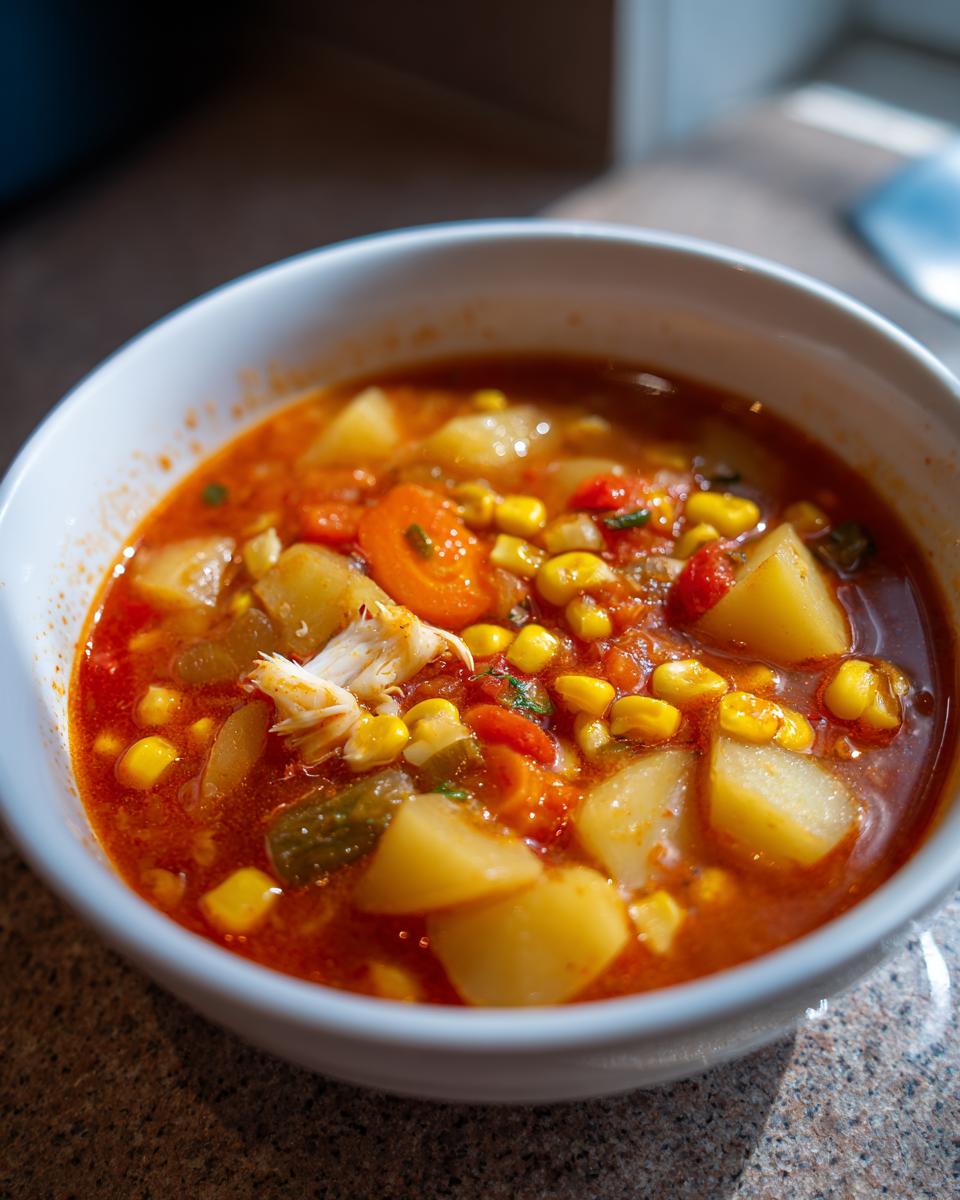
Finally, gently fold in your picked-over lump blue crab meat during the last five minutes. We just want it warmed through, not cooked to rubber! Taste it, add more salt if needed, and serve it hot.
Tips for the Best Blue Crab Soup Recipe
You’ve done all the hard work—the simmering, the seasoning, the getting those potatoes just right. Now, we need to make sure we don’t mess up the grand finale! Getting that perfect texture, the one that earns you the title of having the best blue crab soup recipe in town, hinges on how you treat that delicate lump crab meat. This is where a little bit of instinct comes in!
Here are my top tips for nailing the execution:
- Handle the Crab Like Fine China: Seriously, treat that delicious lump crab meat with ultimate respect. Since we add it at the very end, stir it in using a very gentle figure-eight motion, just enough to submerge it in the hot broth. If you stir vigorously, you break up those beautiful lumps into tiny shreds, and we want those satisfying bites of crab, not mush!
- Taste Before the Taste Test: Before you even think about adding the crab meat in the final five minutes, taste the broth. Does it sing that true Old Bay note? Does it need a tiny pinch more salt? The crab meat itself is subtly flavored, so you must perfect the soup base first. Adjust everything—cayenne, salt, Worcestershire—before those last ingredients hit the pot.
- Go Easy on the Simmer Time: Once the crab is in, your job is mostly done. Keep the heat low, just enough to keep it warm. If you let it boil aggressively once the crab is added, you will toughen the meat instantly. We only want to gently heat it through for about five minutes.
- Don’t Be Afraid to Adjust Day Two: As the recipe notes mentioned, this savory tomato based soup is amazing made ahead! If you do this—which I highly recommend for flavor development—don’t reheat it too fast. Reheat slowly on the stovetop. If it seems a little too concentrated after resting overnight, a small splash of extra broth will bring it right back to life. For something else you can totally prep ahead, check out my guide on the best chicken marinade for amazing results later on!
Serving Suggestions for Your Chesapeake Bay Crab Soup
Picture this: you’ve made the most perfect, vibrant, flavor-packed bowl of Chesapeake Bay crab soup. You can practically smell the salty summer air! Serving this incredible creation is just as important as making it right. Since this is a traditional, broth-based soup, it pairs best with simple, crunchy accompaniments that let the crab and Old Bay truly shine through. No need for fancy breads here; we’re keeping it authentic and focused on that wonderful flavor.
When I serve my lump crab meat soup, especially when hosting friends for a casual coastal dinner, I always make sure these three things are on the table:
- Oyster Crackers: You have to have them! They are the quintessential topping for this soup. They absorb the broth without getting soggy instantly.
- A Lemon Wedge: A tiny squeeze of fresh lemon right before you take that first bite just brightens up all the savory notes. Trust me, it makes a huge difference.
- Saltines: These are for the traditionalists who prefer a crunchier texture. I stack them high on a small plate next to the soup bowls.
If you happen to be serving this soup as part of a larger seafood spread—maybe grilled shrimp or some fresh oysters—you’ll definitely want a great dip on hand. I’ve got a recipe for the best 5-minute homemade tartar sauce that works beautifully as a tangy side for any seafood you put out!
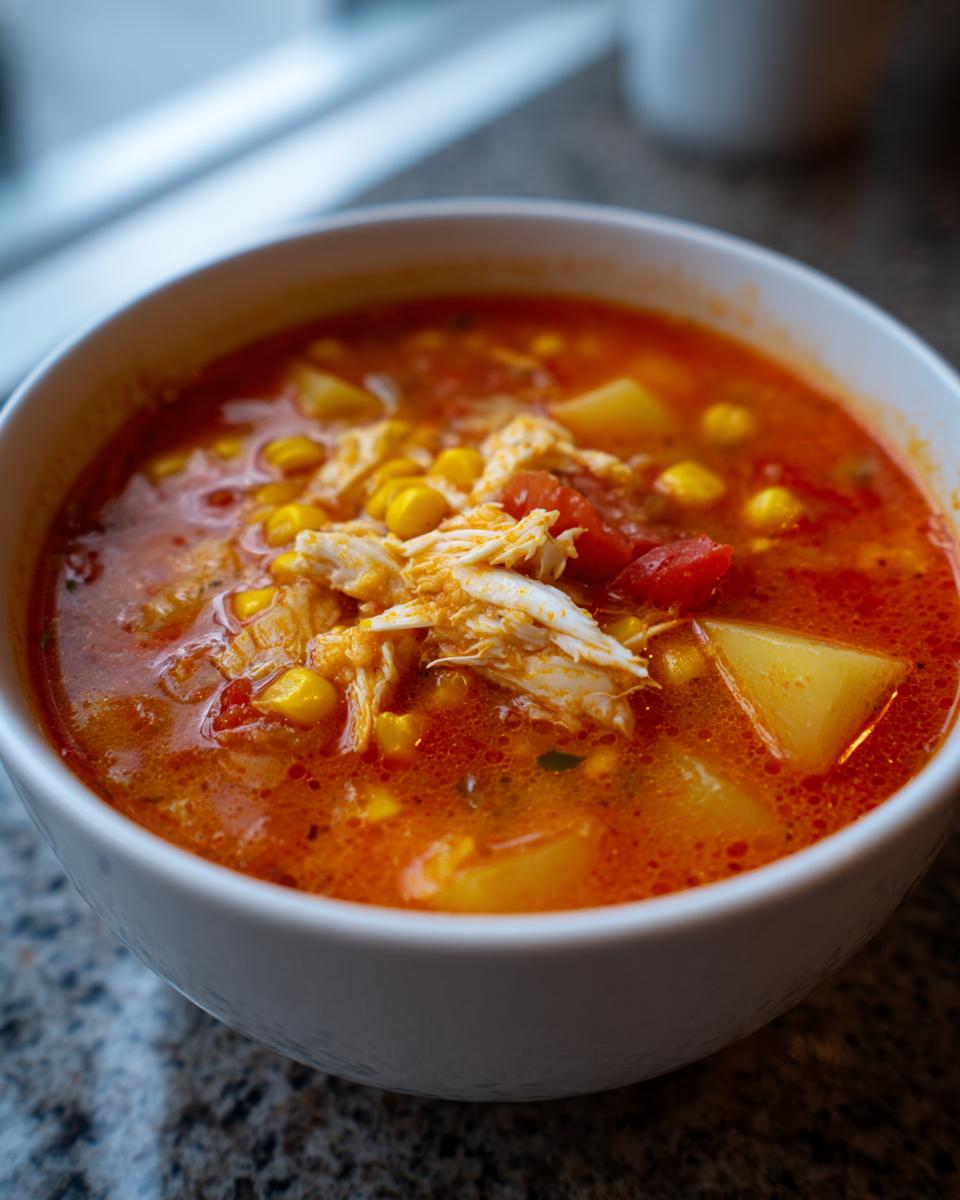
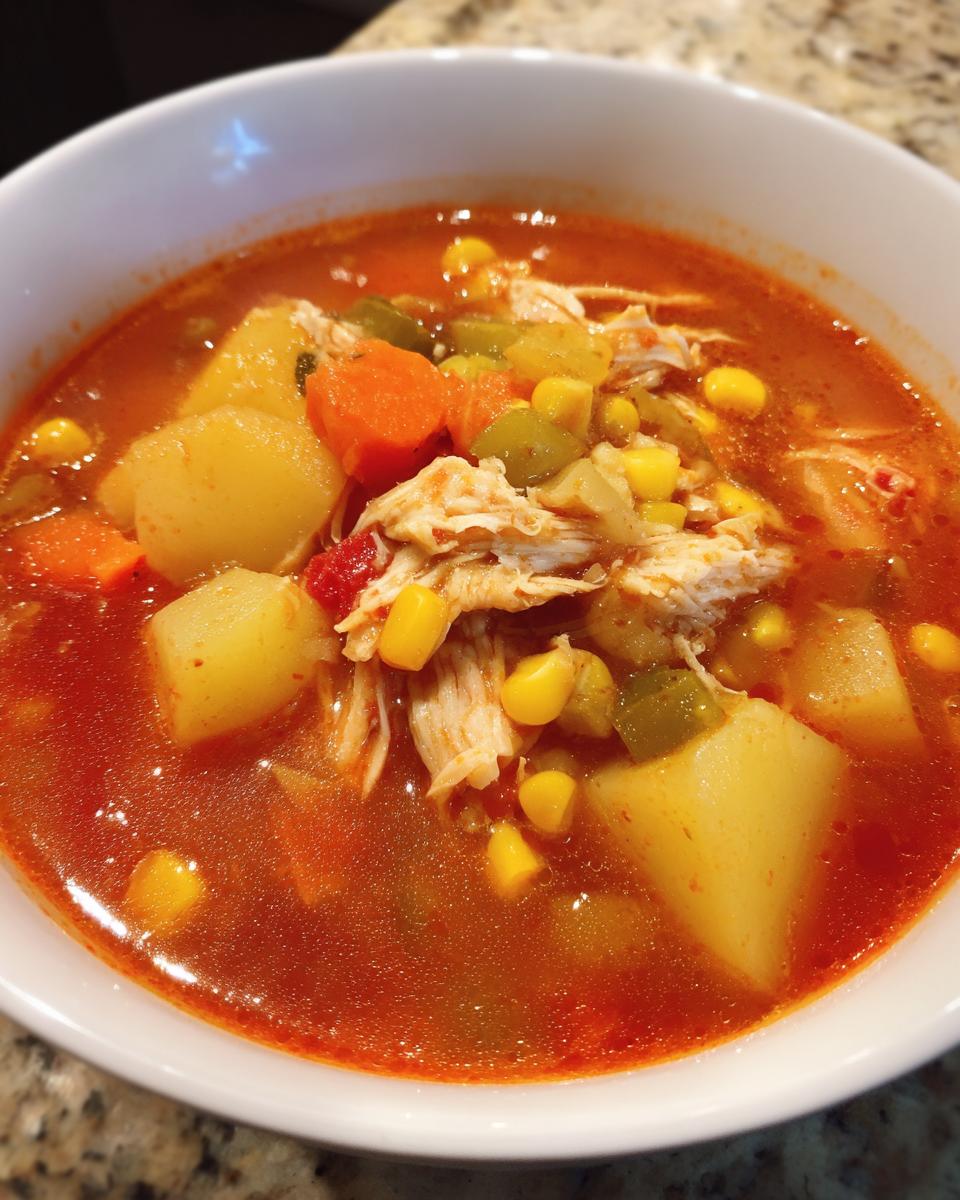
I always ladle the soup into deep, wide bowls so you can see all the colorful vegetables and those glorious chunks of crab meat bobbing on top. A little garnish of fresh parsley, maybe, but keep it simple—the flavor does all the heavy lifting here!
Storage and Make Ahead Tips for maryland crab soup
This is one of those beautiful soup secrets: yes, this maryland crab soup is absolutely one of the best make ahead soup recipes you can have in your rotation! If you’ve ever made a big pot, you already know that letting it sit overnight does wonders for developing that deep, savory complexity. The vegetables and spices really get to know each other while resting, making the broth taste richer the second day.
However, we have to be smart about how we handle the beautiful, expensive lump crab meat. You never want to store uneaten soup that already has the crab meat cooked into it for more than about three days, and even then, the texture might suffer a little.
Here’s my preferred method for preserving that authentic flavor and texture, which I use whenever I’m prepping for a busy week:
- Cool It Down First: Once the soup is finished cooking (potatoes tender, crab gently warmed through), turn off the heat and let the entire batch cool down on the counter until it’s just warm to the touch—never put piping hot soup directly into the fridge!
- Separate the Stars: For the absolute best results tomorrow, I ladle out the soup base (broth, veggies, seasonings) into containers, leaving out the lump crab meat entirely.
- Refrigerate Separately: Store the plain soup base in airtight containers for up to four days. Keep the raw, picked-over lump crab meat in a separate, sealed container in the coolest part of your fridge.
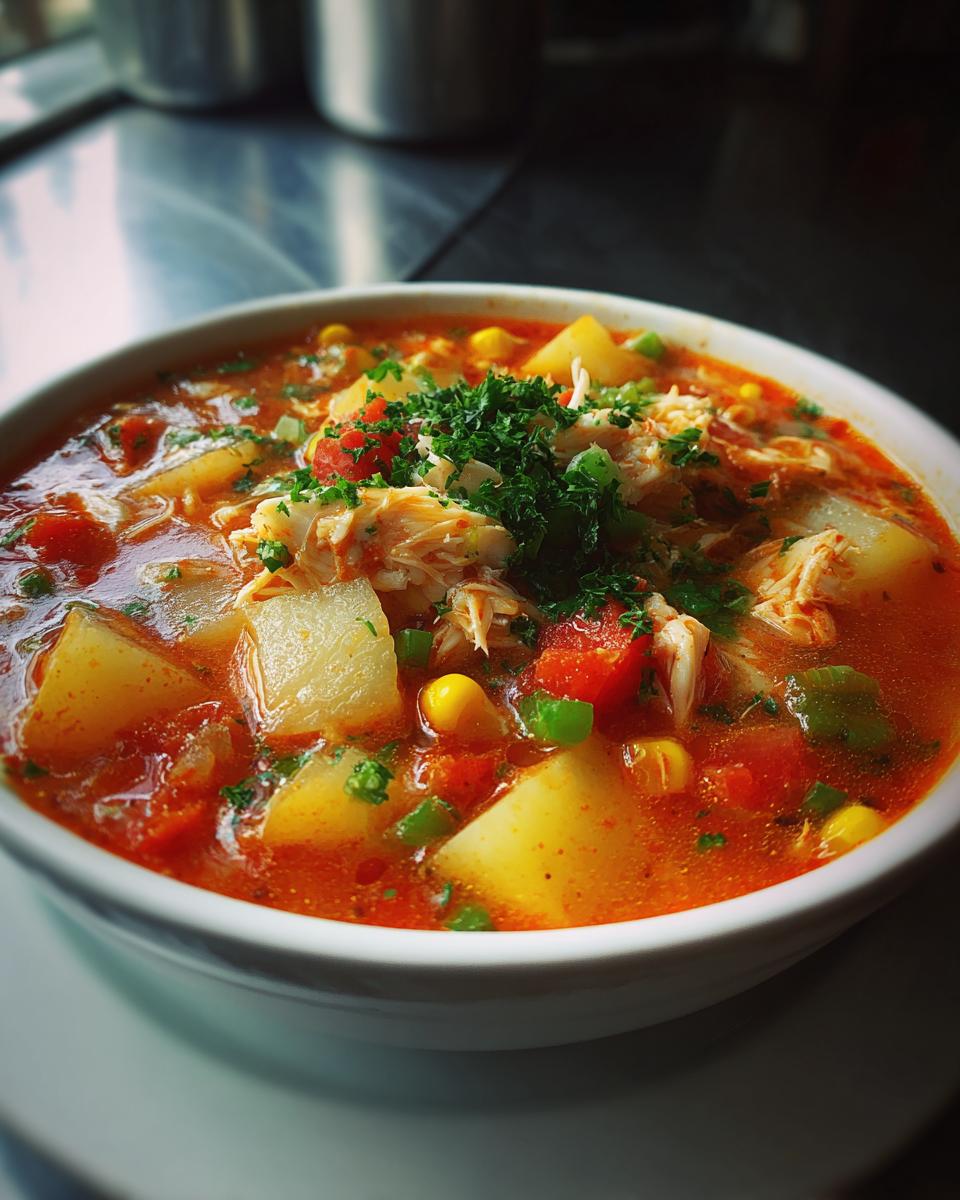
When you’re ready to eat, reheat the vegetable base slowly on the stovetop until it’s steaming hot. ONLY then do you gently fold in the fresh crab meat for those last few minutes. This ensures you get that tender bite every single time! If you’re looking for other recipes that get better with rest, I swear by my guide to easy moist pumpkin bread—it’s always better on day two!
Frequently Asked Questions About maryland crab soup
Is this maryland crab soup creamy or broth-based?
This is the most important question, honestly! Our recipe is the traditional, authentic one, which means it’s definitely broth-based. We use flour very sparingly just to slightly enrich the vegetable broth, creating a wonderfully savory tomato based soup that allows the vegetables and the flavor of the crab to come forward. If you’re looking for a creamy preparation, that’s often called a crab chowder, which is a different recipe entirely!
What is the absolute must-have ingredient for that Chesapeake flavor?
If you forget everything else, don’t forget the Old Bay seasoning! It is non-negotiable for getting that authentic taste of the Chesapeake. It’s a proprietary blend of spices, but trust me, trying to substitute it just won’t capture that signature warmth and depth that makes this traditional maryland seafood soup what it is. If you want to see what other locals recommend, you can check out tips on another traditional recipe site here: The Traveler’s Nest guide.
Can I use canned crab meat instead of lump blue crab meat?
You can, but I strongly advise against it if you want the best blue crab soup recipe experience. Canned crab meat, even the good stuff, is often much softer than fresh or pasteurized lump meat, and it doesn’t hold its shape well when added to simmering soup. For this recipe, using actual lump crab meat ensures you get those satisfying, tender bites we are looking for in a true crab meat soup recipe.
Can I make this soup ahead of time?
Absolutely! This is why it’s one of my favorite recipes for company; it’s one of the best of the make ahead soup recipes! As I mentioned earlier, the flavors really marry overnight. The only caveat is that you should cook the soup base completely, let it cool, and then gently fold in your lump crab meat right before serving the next day. This keeps the crab perfectly tender!
How do I know if my potatoes are cooked enough?
Since we want a shorter overall cooking time once the crab goes in, getting those diced potatoes tender in the broth is important. Test them by piercing them with a fork or the tip of a small knife. If it slides in easily with absolutely no resistance, they are done! If you’re interested in how I approach flavor development across all my dishes, you can always read more about my philosophy over on the About Me page!
Nutritional Estimate for This maryland crab soup
When you’re cooking from scratch, especially with fantastic ingredients like fresh blue crab, it’s always wise to have a general idea of what’s going into your bowl. I’m a huge believer in knowing your food, which is why I like to include nutritional estimates for all my recipes, even the ones rooted deep in tradition like this maryland crab soup.
Keep in mind that since this is a rustic, from-scratch recipe, these numbers are based on the ingredient quantities listed and will shift depending on the brand of broth you use or even the specific cut of crab meat you select. We’re aiming for rich comfort, not perfect nutritional science here, but it’s good to know where we stand!
Here is the estimated breakdown for one serving (about 1.5 cups):
- Serving Size: 1.5 cups
- Calories: 240
- Sugar: 8g
- Sodium: 850mg (Yep, Old Bay and broth add up, so be mindful if that’s a concern!)
- Fat: 6g
- Saturated Fat: 1g
- Unsaturated Fat: 5g
- Trans Fat: 0g
- Carbohydrates: 25g
- Fiber: 4g
- Protein: 20g (That lump crab really steps up here!)
- Cholesterol: 110mg
This hits that sweet spot for a hearty meal: lots of protein from the crab, and plenty of vitamins from all those vegetables. It’s proof that eating well and eating traditionally can absolutely go hand-in-hand!
Share Your Traditional maryland crab soup Experience
Now that you have the secrets to making truly authentic maryland crab soup, rich with Old Bay and sweet crab, I can’t wait to hear how it turned out! Cooking is all about sharing, right? It’s how my family built traditions, and now I hope this recipe becomes part of yours, whether you’re having a huge gathering or just a cozy night in.
Did you find the lump crab meat easily? Did that traditional broth base make the difference you were hoping for? Please don’t keep that culinary success to yourself!
I absolutely love seeing your kitchens and your beautiful finished bowls of soup. When you make this recipe, snap a photo and tag me on social media! And if you have just a quick second, leaving a star rating and a few words in the comments below helps other cooks feel confident taking on this truly traditional maryland seafood soup. Your feedback helps my kitchen grow!
If you ever have questions about an ingredient or technique—maybe you want to know if you can use a different type of stock or need advice on prepping, don’t hesitate to reach out directly. You can always head over to my contact page anytime. Happy cooking, friends!
PrintAuthentic Maryland Crab Soup Recipe
Make a classic, savory, tomato-based Maryland Crab Soup featuring lump blue crab meat and Old Bay seasoning. This recipe delivers the true taste of the Chesapeake Bay.
- Prep Time: 20 min
- Cook Time: 35 min
- Total Time: 55 min
- Yield: 6 servings 1x
- Category: Dinner
- Method: Stovetop
- Cuisine: American
- Diet: Vegetarian
Ingredients
- 1 tablespoon olive oil
- 1 large yellow onion, chopped
- 2 celery stalks, chopped
- 1 green bell pepper, chopped
- 1 teaspoon dried thyme
- 1 teaspoon dried oregano
- 1/2 teaspoon black pepper
- 1/4 teaspoon cayenne pepper
- 1/4 cup all-purpose flour
- 6 cups vegetable broth
- 1 (14.5 ounce) can diced tomatoes, undrained
- 1 (15 ounce) can tomato sauce
- 1 tablespoon Worcestershire sauce
- 2 tablespoons Old Bay Seasoning
- 1 teaspoon salt (or to taste)
- 1 cup frozen corn kernels
- 2 medium potatoes, peeled and diced
- 1 pound lump blue crab meat, picked over for shells
Instructions
- Heat the olive oil in a large pot or Dutch oven over medium heat. Add the onion, celery, and green pepper. Cook until softened, about 5 to 7 minutes.
- Stir in the thyme, oregano, black pepper, and cayenne pepper. Cook for 1 minute until fragrant.
- Whisk in the flour until fully incorporated, cooking for 1 minute.
- Gradually whisk in the vegetable broth, ensuring no lumps remain.
- Stir in the diced tomatoes, tomato sauce, Worcestershire sauce, Old Bay Seasoning, and salt. Bring the mixture to a simmer.
- Add the diced potatoes and frozen corn. Reduce heat to low, cover, and simmer for 15 to 20 minutes, or until the potatoes are tender.
- Gently fold in the lump blue crab meat during the last 5 minutes of cooking. Heat through but avoid overcooking the crab.
- Taste and adjust seasoning if necessary. Serve this hearty vegetable and crab soup hot.
Notes
- For the most authentic Chesapeake Bay flavor, use high-quality lump crab meat.
- You can prepare this savory tomato based soup ahead of time; the flavors deepen overnight. Reheat gently.
- If you prefer a slightly thicker soup, simmer uncovered for the last 10 minutes to allow some liquid to evaporate.
Nutrition
- Serving Size: 1.5 cups
- Calories: 240
- Sugar: 8
- Sodium: 850
- Fat: 6
- Saturated Fat: 1
- Unsaturated Fat: 5
- Trans Fat: 0
- Carbohydrates: 25
- Fiber: 4
- Protein: 20
- Cholesterol: 110