

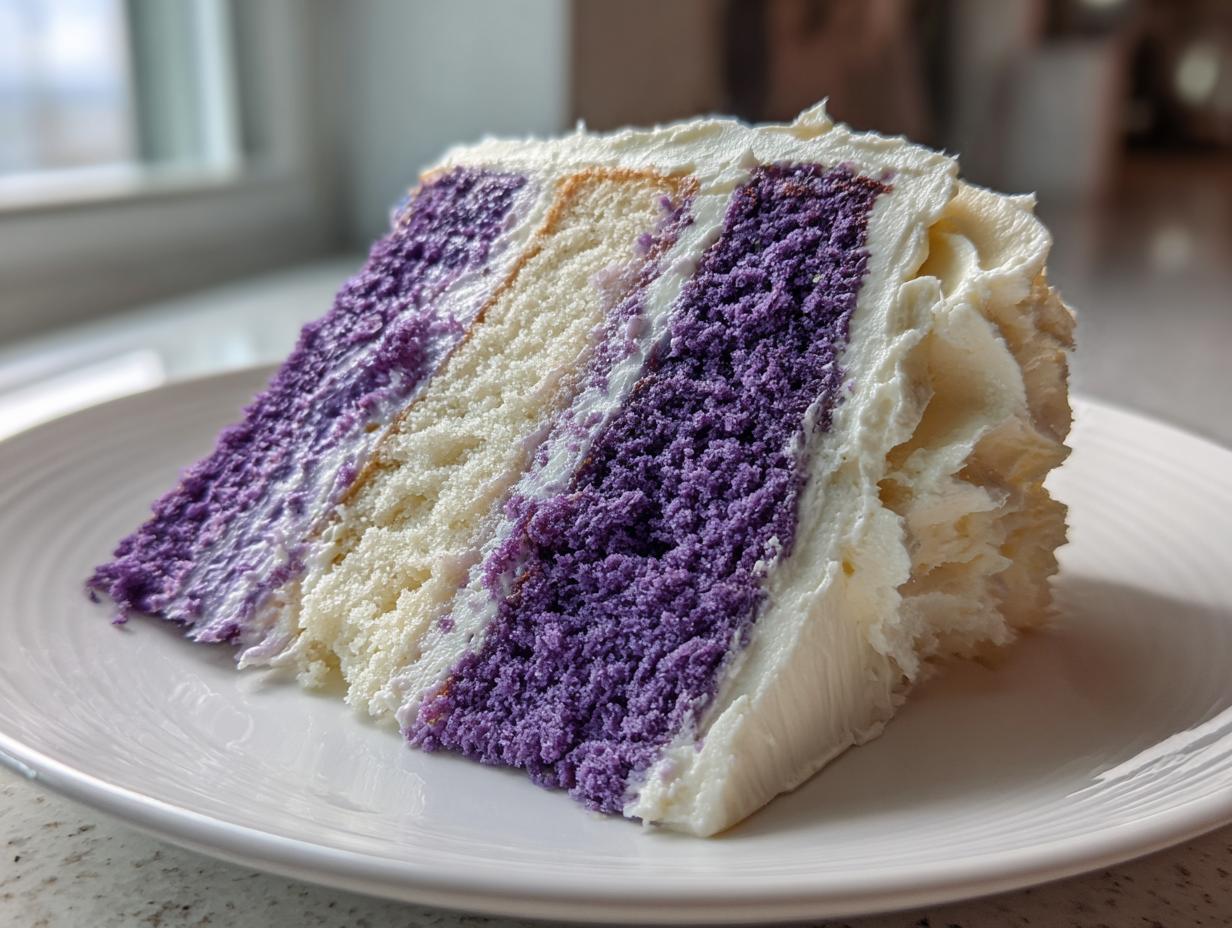
When I first started experimenting with floral baking, I worried. I mean, you hear stories about desserts tasting like soap, right? But learning to balance those delicate, aromatic notes is where the real magic happens. That’s why this Lemon Lavender Layer Cake became one of my absolute go-to recipes—it’s truly the ultimate aromatic layered cake. Developing recipes that hit that sweet spot of flavor—strong enough to notice but subtle enough to be utterly refreshing—that’s what my background in food science really helped me nail down. Trust me, this lavender cake is never soapy, just perfectly bright and floral.
- Why This Lemon Lavender Cake Recipe Works So Well
- Ingredients for the Ultimate Lemon Lavender Cake Recipe
- Step-by-Step Instructions for Your Lavender Cake
- Tips for Baking a Bakery Style Cake at Home with Lavender Cake
- Flavor Pairings: Variations on the Classic Lavender Cake
- Serving Suggestions for Your Elegant Birthday Cake
- Storage and Make-Ahead Tips for Your Lavender Cake
- Frequently Asked Questions About Baking with Lavender
- Estimated Nutritional Value for This Lavender Cake
- Share Your Experience Making This Aromatic Layered Cake
Why This Lemon Lavender Cake Recipe Works So Well
What sets this Lemon Lavender Cake apart from every other floral attempt out there is just how incredibly moist it stays. We’re talking truly a moist floral cake that holds up beautifully for days! My goal was always that sophisticated, yet approachable bite—a truly delicate flavored cake that sings of spring. Having that background in food science really let me engineer this crumb. I didn’t just throw things together; I made sure the fat ratios and liquids created stability so you get that tender chew every single time. Plus, let’s be honest, the pale purple hue against the bright lemon zest is just stunning for any summer cake recipes!
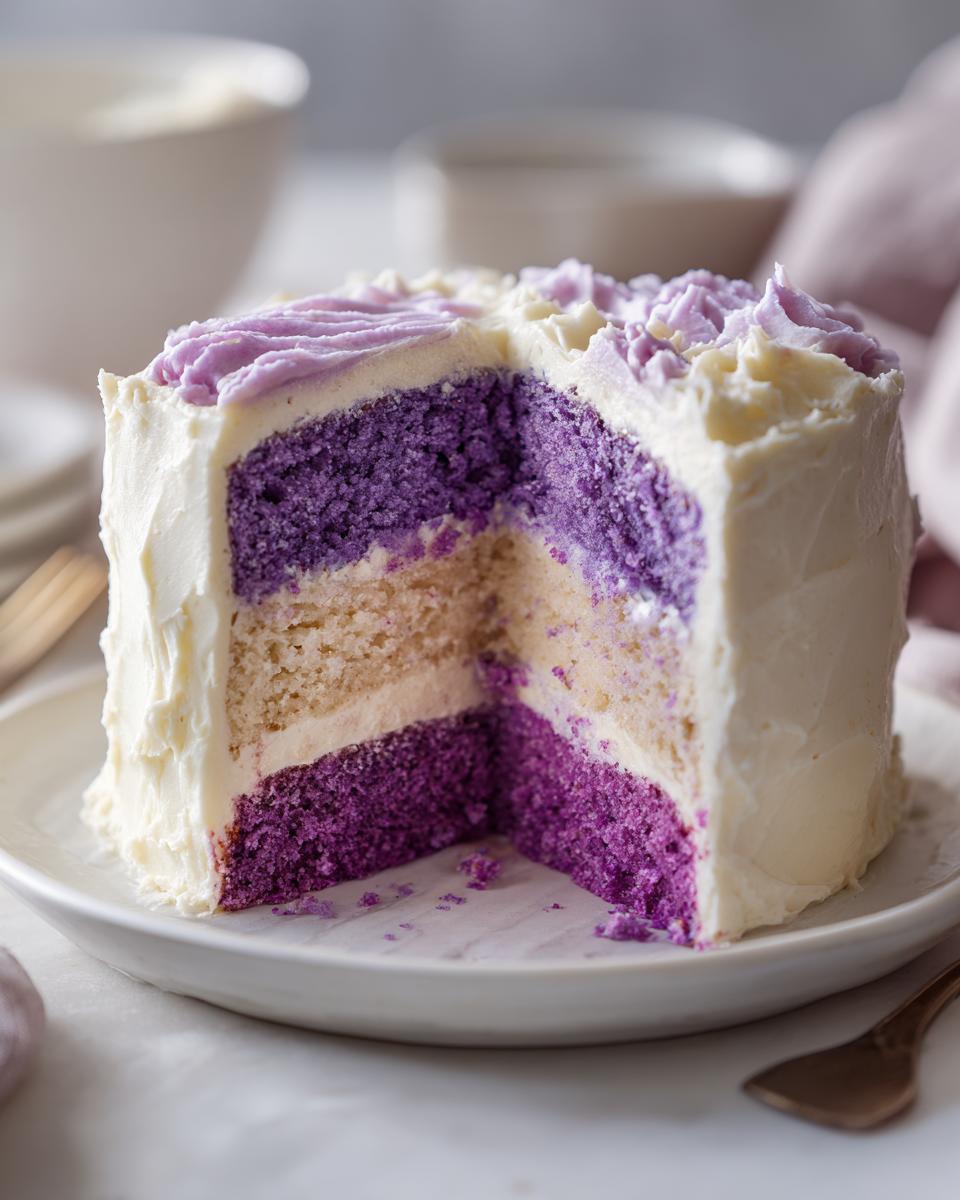
Achieving the Perfect Aromatic Balance in Your Lavender Cake
The biggest fear people have with a good lavender cake is that overwhelming perfume smell. I totally get it! That’s why we use culinary-grade lavender buds, never anything from the garden unless you know it hasn’t been sprayed. For the frosting, my trick (you’ll see it in the recipe) is steeping those buds in hot milk before straining them out. This gently releases the essential oils without pulling any of that bitter, grassy flavor. It’s subtle, it’s perfect, and it just makes you want another slice.
Ingredients for the Ultimate Lemon Lavender Cake Recipe
When you’re making something as special as a lavender cake, the ingredients matter—a lot. This isn’t the time to skimp or substitute; we need quality components to ensure that bright, clean flavor comes through. Read these lists over carefully before you start mixing because clarity here means a successful, gorgeous bake later on!
For the Lemon Lavender Cake Layers
- 1 3/4 cups all-purpose flour
- 1 1/2 teaspoons baking powder
- 1/2 teaspoon salt
- 1 cup unsalted butter, softened
- 1 3/4 cups granulated sugar
- 3 large eggs
- 1 tablespoon lemon zest
- 1 teaspoon pure vanilla extract
- 1/2 cup whole milk
- 2 tablespoons culinary dried lavender buds, finely ground (Make sure this is culinary grade!)
- 1/4 cup fresh lemon juice
See how we ground those lavender buds? That helps us infuse the maximum amount of perfume without leaving chunky, bitter bits in the batter. That attention to detail is what separates a basic cake from an elegant birthday cake!
For the Lavender Cream Cheese Frosting
This frosting gets its lovely flavor because we steep the lavender first. While some people might make a standard lavender buttercream frosting, I find the tang of cream cheese pairs so beautifully with the lemon, giving it that perfect finish on your cream cheese frosting for floral cakes.
- 8 ounces cream cheese, softened
- 1/2 cup unsalted butter, softened
- 4 cups powdered sugar, sifted
- 1 teaspoon pure vanilla extract
- 1 tablespoon fresh lemon juice
- 1 teaspoon dried culinary lavender buds, steeped in 2 tablespoons hot milk for 15 minutes, then strained
- Optional: Purple food coloring for subtle hue
Don’t skip the straining step for the frosting milk! We want that aroma soaking into the dairy, not the tough little flower bits, trust me on this one.
Step-by-Step Instructions for Your Lavender Cake
Okay, now for the fun part! Baking this gorgeous lavender cake is actually surprisingly systematic. Because this needs to be a perfect, bakery style cake at home, we follow the steps closely, especially around mixing to keep that texture just right. Don’t rush the creaming part, but once the flour goes in, we want to move with purpose!
Preparing the Cake Batter and Baking the Lavender Cake
First things first: Preheat your oven to 350°F (175°C). Get those two 8-inch pans greased, floured, and lined with parchment on the bottom—this prevents sticking, which is crucial for layer cakes!
Whisk your flour, baking powder, and salt together quickly. Now, in the big bowl, cream that butter and sugar until they look pale and airy. Don’t stop too soon here! Beat in your eggs one by one, then add the lemon zest and vanilla. Separately, mix the milk, ground lavender, and lemon juice. You are going to alternate adding the dry mix and the milk mixture to your butter base, starting and ending with the dry ingredients. Mix only until you see no more white streaks. Seriously, stop overmixing once the flour gets involved, or we lose that tender crumb!
Divide that beautiful batter evenly and bake for about 28 to 32 minutes. Once they pass the toothpick test, let them chill in the pans for 10 minutes before you flip them out onto a wire rack to cool completely. Trying to frost a warm cake? Trust me, it’s a crying shame.
Making the Silky Lavender Cream Cheese Frosting
While those layers cool down—and they need to be totally cool—we whip up the frosting. Beat your softened cream cheese and butter together until they stop fighting and look smooth. Start adding that sifted powdered sugar slowly! Once incorporated, mix in your vanilla and lemon juice.
Here’s the star moment for flavor: add that strained milk that steeped with the lavender buds. You must strain it, remember? We want the essence, not the tough bud bits! Beat until it’s light and fluffy. If you’re dying for that iconic purple tint, add a tiny drop of food coloring now. This frosting is amazing on our lavender cake!
Tips for Baking a Bakery Style Cake at Home with Lavender Cake
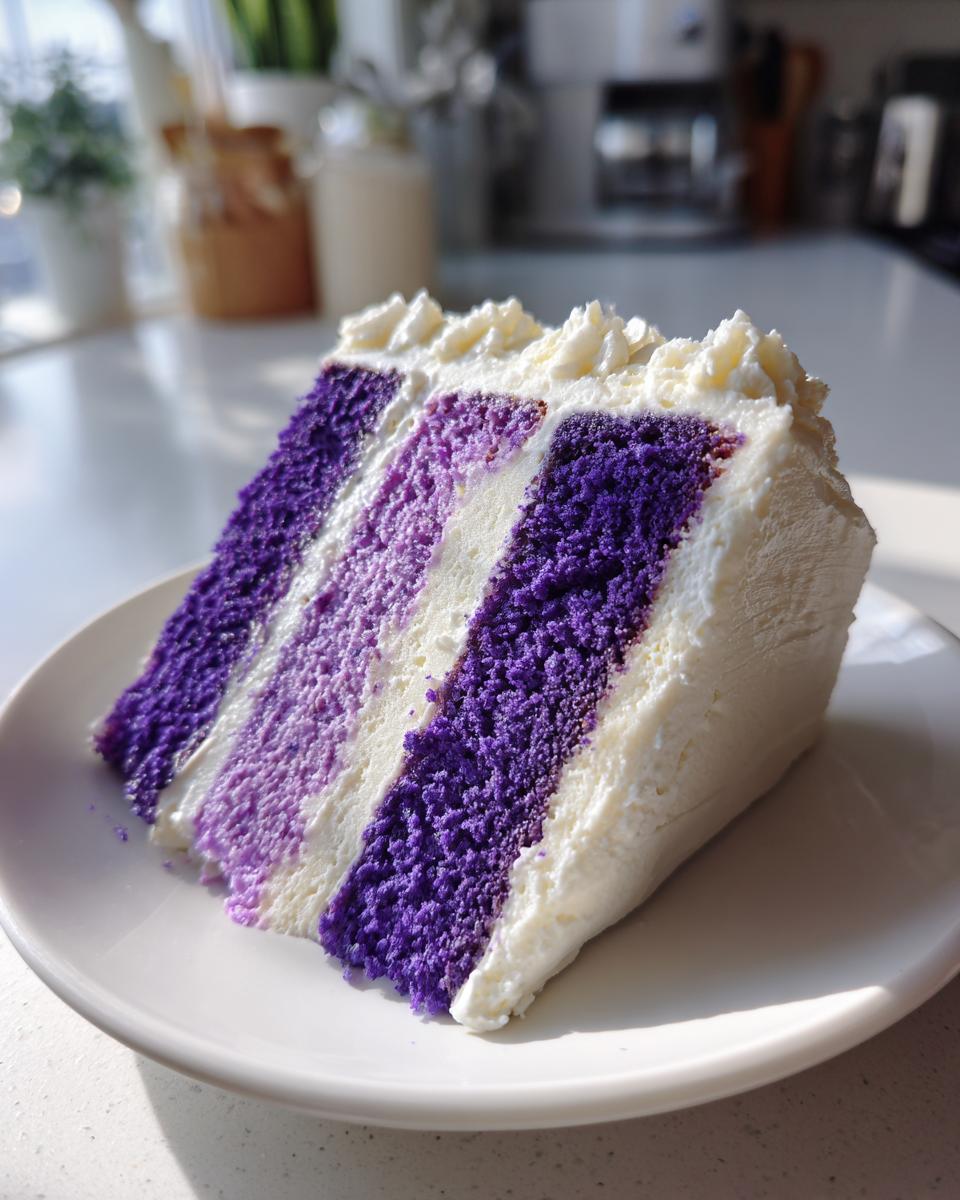
Achieving that flawless bakery style cake at home vibe really comes down to respecting the ingredients and the process. My food science training taught me that precision matters, especially with something as delicate as a lavender cake. First, commitment to room temperature ingredients—your butter, eggs, and even cream cheese for the frosting—is non-negotiable. If they’re cold, they won’t emulsify correctly, and that messes up the airy structure we worked so hard to create.
Secondly, quality check on your flowers! I can’t say it enough: only use culinary lavender. The stuff for potpourri is chemically treated, and trust me, you’ll taste the difference immediately. It’ll turn your beautiful cake bitter! To get that lovely, almost ethereal purple, use just a tiny dot of gel food coloring in the frosting. You don’t want it looking like Easter egg dye; you want that hint of blush that suggests the floral flavor hidden inside. It’s all about restraint!
Flavor Pairings: Variations on the Classic Lavender Cake
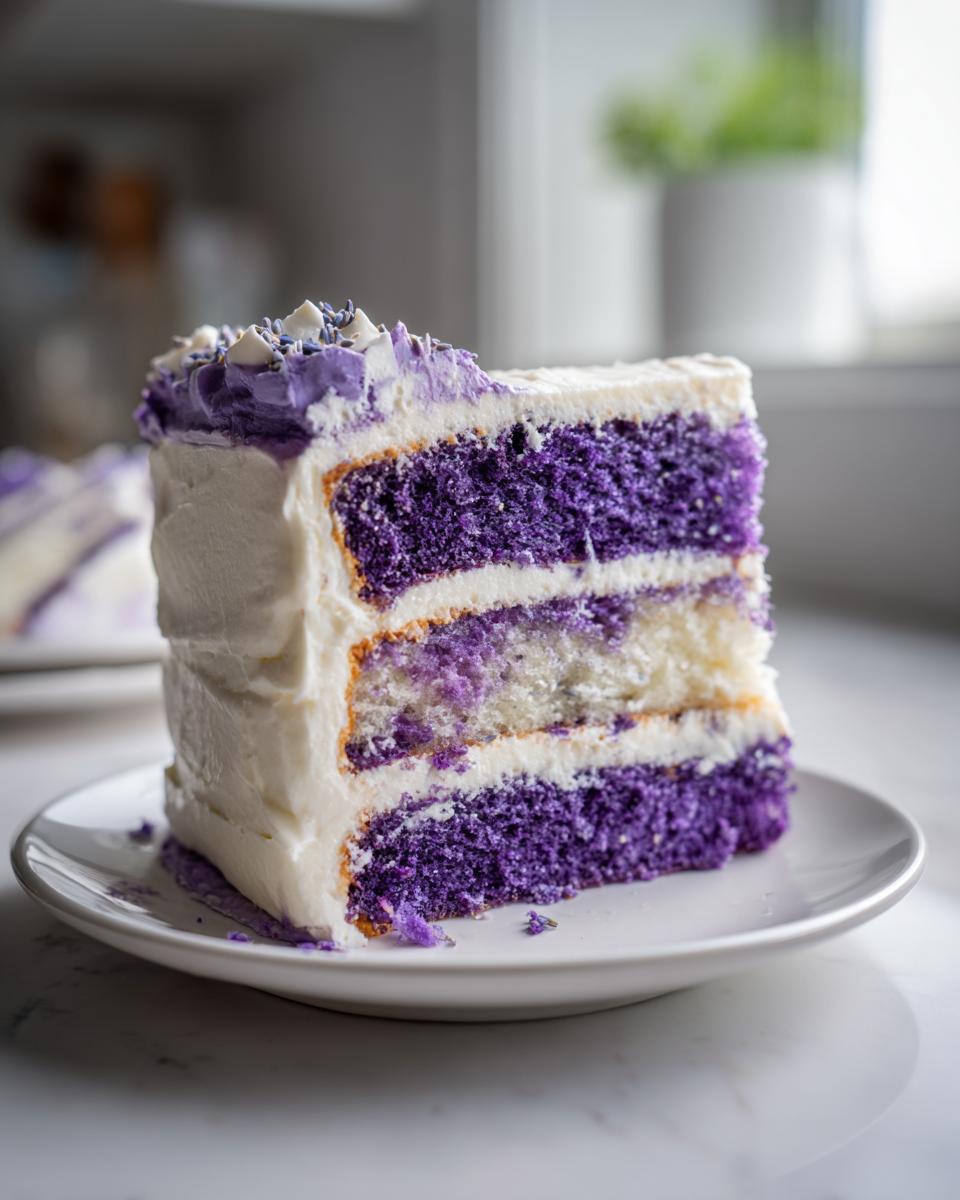
One of the best things about this base lavender cake recipe is how sturdy and versatile it is. We’ve proven it works beautifully with lemon, but if you want to switch things up for a different event, you totally can! The floral notes play so nicely with other warm or citrus flavors, always resulting in that gorgeous, delicate flavored cake you want. I’ve seen people swap the lemon for honey or extra vanilla, and the results are always fantastic. It’s all about adding complementary warmth.
Creating an Earl Grey Lavender Cake (London Fog Cake)
If you are a true tea lover, you absolutely have to try turning this into an tea infused cake! The Earl Grey variation, often called a London Fog Cake, is just divine. Instead of using milk outright in the cake or steeping just lavender in the frosting milk, you brew a strong cup of Earl Grey tea. You use that cooled tea in place of some of the milk in the cake batter, and maybe even use the cooled tea to soak the layers slightly after they come out of the oven. The bergamot in the tea is a natural partner for lavender—it’s incredibly sophisticated!
Serving Suggestions for Your Elegant Birthday Cake
Now that you have this perfectly fragrant, beautiful lavender cake, the final step is making it shine! Presentation is everything, especially when this is meant to be the centerpiece of your celebration. Because the flavor profile here is so bright with lemon and delicately floral, you don’t want heavy toppings that will mask it. This cake is absolutely perfect as a stunning elegant birthday cake for someone who loves subtle flavors.
For visual impact, especially when serving this as one of your signature spring dessert recipes, I always reach for contrasting colors. Fresh raspberries or even thinly sliced, bright yellow lemon wheels look incredible against the soft purple frosting. You can also tuck a few small, fresh (unsprayed!) lavender sprigs strategically on top before serving.
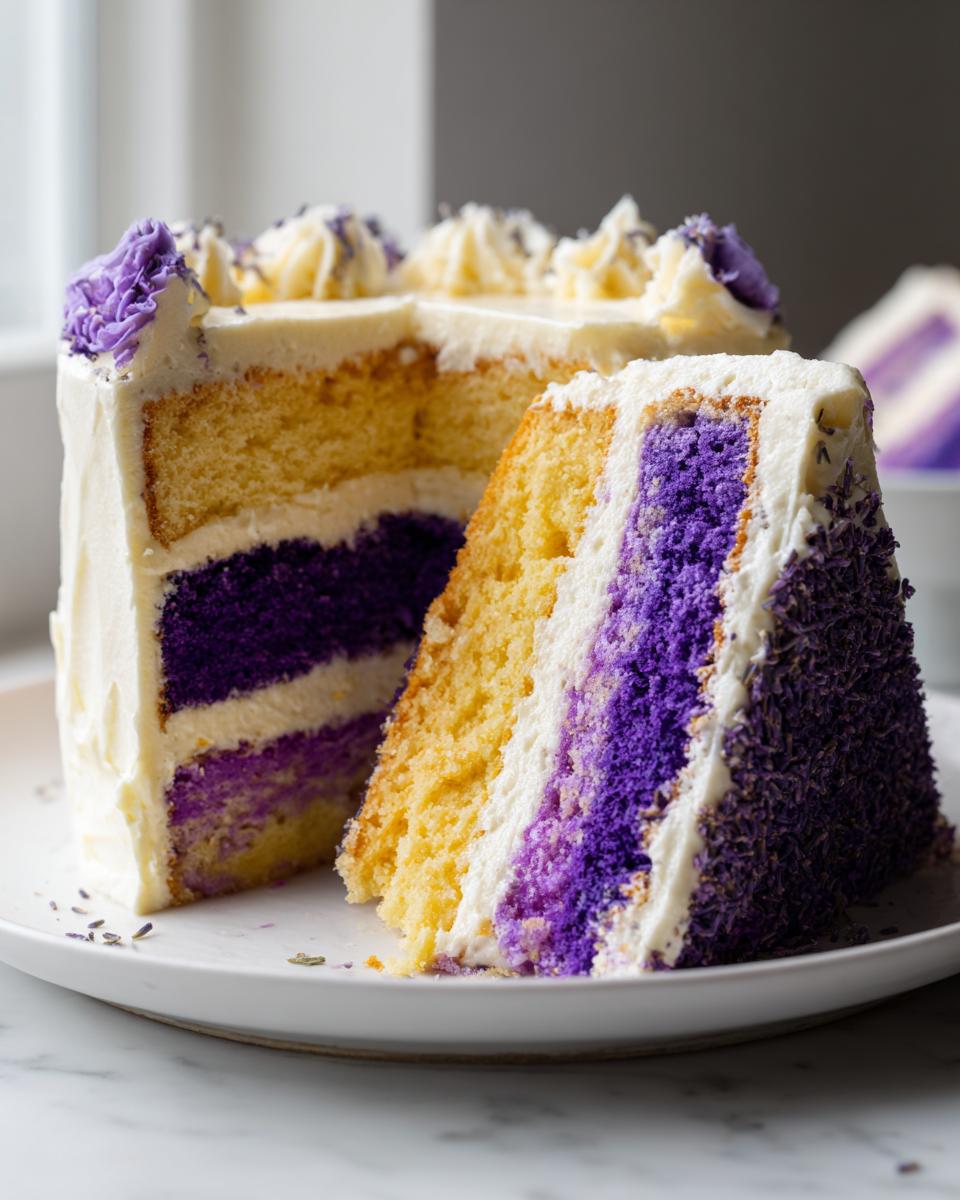
If you’re serving it with coffee or tea, keep the accompaniment light. This pairs beautifully with a crisp iced tea or even a simple iced vanilla latte. Remember, the goal here is elegance and flavor harmony. You created a slice of sunshine, so let it shine on the table!
Storage and Make-Ahead Tips for Your Lavender Cake
I always get asked if I bake my gorgeous lavender cake the morning of the party. My answer? You absolutely can, but honestly, sometimes make-ahead is a lifesaver! Since this Lemon Lavender Beauty uses a cream cheese frosting, we have to treat it with a little respect regarding temperature, unlike a simple buttercream.
If you’re planning ahead, bake those cake layers up to two days in advance. Once they are completely cooled—and I mean stone-cold—wrap each layer tightly in plastic wrap, almost air-tight. You can store these wrapped layers at room temperature on the counter if it’s cool, but I prefer the fridge just to lock in that moisture. They hold up great for 48 hours this way, maybe longer if your kitchen is chilly.
When it comes to frosting, I strongly recommend making the lavender cream cheese frosting the day before you plan to assemble. Keep it covered tightly in the fridge. Cold cream cheese frosting gets really stiff, so the trick here is to pull it out about an hour before you plan to frost the cake. Let it sit on the counter to soften up to a perfect, spreadable consistency again. When you assemble the cake layers, frost it right away, and then keep the entire thing refrigerated until about an hour before serving. Letting it warm up slightly before slicing really lets those delicate lemon and lavender notes bloom for the best experience!
Frequently Asked Questions About Baking with Lavender
It’s totally normal to have questions when you’re trying out a new flavor profile like this! Baking with flowers is different than just using vanilla or almond, so let’s clear up a few things on how to use culinary lavender and make sure your lavender dessert recipes turn out amazing!
Can I use lavender extract instead of buds in this lavender cake?
Oh, that’s a common question when you’re figuring out how to bake with lavender! Yes, you can substitute, but you have to be super careful. Extract is potent; it’s basically concentrated flavor dissolved in alcohol. If the recipe calls for two tablespoons of ground buds, I would start with maybe 1/2 teaspoon of good quality extract, testing the flavor before adding more. Extract tends to give a more uniform, sometimes sharper floral hit, whereas the buds (even strained) give you that complex, softer aroma. If you use extract, you’re skipping that lovely steeping step we do for the frosting, so you might end up with a slightly less integrated flavor profile.
What makes this a good summer cake recipe?
This Lemon Lavender Cake is practically tailor-made for warm weather celebrations! It lands perfectly on the list of my favorite summer cake recipes for a couple of reasons. First, the lemon zest provides this immediate, bright zing that feels cooling and refreshing on a hot afternoon. It’s not heavy like a chocolate cake; it’s light on the pallet. Second, the floral notes of lavender feel so seasonal, reminding you of an open garden party or sipping something cool on the porch. It just pairs beautifully with lighter wines, lemonade, or iced tea!
What if I want a stronger lavender flavor but can’t steep it because I don’t have milk?
If you can’t steep the lavender in milk for the frosting, you have two good options for your lavender cake. First, you can grind the buds finer and mix them directly into the cake batter with the flour, but make sure you strain them out before baking if you want a perfectly smooth bake. If you want a little more punch, you can lightly bloom the buds by steeping them in a tiny bit of neutral oil (like grapeseed) for about 20 minutes instead of milk, then just use that tiny bit of oil as part of your fat measurement in the recipe. Be careful not to let them steep too long, or you risk bitterness!
Estimated Nutritional Value for This Lavender Cake
Alright, let’s talk numbers for my Lemon Lavender Layer Cake! Because this uses butter, cream cheese, and a fair bit of sugar to get that tender crumb and silky frosting, it definitely falls into the indulgent category—which is totally fine for a special treat! Remember, these figures are just estimates based on the recipes I detailed, so they might wobble a tiny bit depending on your specific brands.
When you divide this recipe into 10 generous slices, here’s what you’re looking at for one slice:
- Serving Size: 1 slice
- Calories: 450
- Sugar: 45g
- Fat: 24g
- Saturated Fat: 15g
- Carbohydrates: 58g
- Protein: 5g
See that sugar count? That’s what gives us that beautiful texture and tender crumb we worked so hard for! This is a beautiful delicate flavored cake meant to be savored, not scraped! Enjoy every bite guilt-free!
Share Your Experience Making This Aromatic Layered Cake
I truly hope you had as much fun baking this Lemon Lavender Layer Cake as I did perfecting it for you. This recipe is so special to me because it brings elegance without needing complicated, technical skills. When you slice into that crumb and smell that beautiful hint of lemon uplifted by the lavender, I know you’ll feel the same joy I do!
Now that you’ve created your own beautiful aromatic layered cake, I would absolutely love to hear about it! Did you stick to the lemon, or did you try one of the Earl Grey variations? What kind of occasion did you bake this for?
Please take a moment to leave a rating below using the five-star system—your honest feedback helps other home cooks feel confident trying out floral baking for the first time. If you have any specific questions about making adjustments or storage, drop those in the comments too. I read every note and reply personally!
Sharing our culinary successes is what keeps this community growing. I can’t wait to see pictures of your gorgeous Lemon Lavender Cakes!
PrintLemon Lavender Layer Cake with Cream Cheese Frosting
You will bake a moist, tender layer cake featuring the delicate, aromatic balance of fresh lemon zest and culinary lavender. This recipe includes a silky lavender cream cheese frosting, making it an elegant dessert perfect for spring gatherings or birthdays.
- Prep Time: 30 min
- Cook Time: 32 min
- Total Time: 1 hour 30 min
- Yield: 10 servings 1x
- Category: Dessert
- Method: Baking
- Cuisine: American
- Diet: Vegetarian
Ingredients
- 1 3/4 cups all-purpose flour
- 1 1/2 teaspoons baking powder
- 1/2 teaspoon salt
- 1 cup unsalted butter, softened
- 1 3/4 cups granulated sugar
- 3 large eggs
- 1 tablespoon lemon zest
- 1 teaspoon pure vanilla extract
- 1/2 cup whole milk
- 2 tablespoons culinary dried lavender buds, finely ground
- 1/4 cup fresh lemon juice
- For the Frosting: 8 ounces cream cheese, softened
- 1/2 cup unsalted butter, softened
- 4 cups powdered sugar, sifted
- 1 teaspoon pure vanilla extract
- 1 tablespoon fresh lemon juice
- 1 teaspoon dried culinary lavender buds, steeped in 2 tablespoons hot milk for 15 minutes, then strained
- Optional: Purple food coloring for subtle hue
Instructions
- Preheat your oven to 350°F (175°C). Grease and flour two 8-inch round cake pans. Line the bottoms with parchment paper.
- In a medium bowl, whisk together the flour, baking powder, and salt. Set aside.
- In a large bowl, cream together the softened butter and granulated sugar until light and fluffy.
- Beat in the eggs one at a time, mixing well after each addition. Mix in the lemon zest and vanilla extract.
- In a small bowl, combine the milk, ground lavender buds, and lemon juice.
- Alternate adding the dry ingredients and the milk mixture to the butter mixture, beginning and ending with the dry ingredients. Mix until just combined; do not overmix.
- Divide the batter evenly between the prepared pans. Bake for 28 to 32 minutes, or until a toothpick inserted into the center comes out clean.
- Let the cakes cool in the pans for 10 minutes before inverting them onto a wire rack to cool completely.
- Prepare the frosting: Beat the softened cream cheese and butter until smooth. Gradually add the powdered sugar until incorporated.
- Mix in the vanilla extract, lemon juice, and the strained lavender-infused milk. Add a drop or two of purple food coloring if you desire a subtle color. Beat until the frosting is light and fluffy.
- Once the cakes are completely cool, place one layer on a serving plate. Spread about one-third of the frosting over the top. Place the second layer on top and frost the top and sides of the entire cake.
Notes
- To get the best lavender flavor without bitterness, steep the lavender buds in hot milk for the frosting, or steep them in the cake milk before adding it to the batter. Always use culinary-grade lavender.
- For a more intense lemon flavor, increase the lemon zest to 1 1/2 tablespoons in the cake batter.
- You can decorate the finished cake with fresh lemon slices or a few fresh, unsprayed lavender sprigs for visual appeal.
Nutrition
- Serving Size: 1 slice
- Calories: 450
- Sugar: 45g
- Sodium: 250mg
- Fat: 24g
- Saturated Fat: 15g
- Unsaturated Fat: 9g
- Trans Fat: 0.5g
- Carbohydrates: 58g
- Fiber: 1g
- Protein: 5g
- Cholesterol: 85mg